100 days of Lula: promises on LGBTQIA+ tourism have not been fulfilled yet
By Rafael Leick*
(Opinion) This Monday, April 10, the third season of the Lula Administration completed 100 days.
It has been 100 days with relative normality regarding politics, with plausible topics being discussed instead of the ravings of lunatics.
But, as I published in this column shortly after the results of the last elections were confirmed, my role here is not a partisan one but one of defense of a segment of tourism that contemplates and celebrates my existence with my community and, in addition, is quite profitable for the public coffers.
At the time, the National LGBT Secretariat of the Workers Party (PT) ended the generic note it sent me – understandable in the transition period of a government that destroyed the country – by committing:
“We make ourselves available so that in the first months of government, starting in the year 2023, we will discuss this agenda again, including in an institutional manner, in a deep and qualified way, with data, objectives, goals, and deadlines, thus being able to deepen more efficiently the questions you have put to us.”

About to complete 100 days of Lula’s Government, I asked the Secretariat again – and this time including Embratur and the Ministry of Tourism in the conversation – for answers to the same questions asked in November and new ones, including requests for information such as:
- Proposals for Tourism and LGBTQIA+ Tourism;
- Vision on the importance of LGBTQIA+ Tourism to the Brazilian economy;
- Resumption of the cooperation agreement to promote LGBTQIA+ Tourism in Brazil signed in 2018 with validity until 2023 between the Ministry of Tourism, Embratur, and the LGBT Chamber of Brazil, which was excluded from the National Tourism Plan of the Bolsonaro government in 2019;
- Resumption of the booklet “Tips to serve well the LGBT tourist”, aimed at the tourism trade and discontinued by the previous government;
- Plans for areas dedicated to LGBTQIA+ Tourism within the Ministry, following the example of several destinations around the world that are examples in tourism promotion;
- Measures to highlight the segment in Lula’s first two terms in office;
- Destinations that will be promoted as friendly internally and promotion plan;
- Challenges and measures to promote Brazil as friendly globally.
THE FEEDBACK WAS DISAPPOINTING!
The promised discussion “in an institutional manner” or “in a deep and qualified manner” did not occur, and the data, objectives, goals, and deadlines did not appear either.
The National “LGBT” Secretariat of the PT referred the demand to the party’s national press office, which passed the responsibility to the Ministry of Tourism.
The Ministry of Tourism, under the dubious command of Daniela Carneiro (União Brasil, yes, that’s it ), gave a generic answer talking about the reactivation of the National Tourism Council in April and the construction of the new National Tourism Plan.
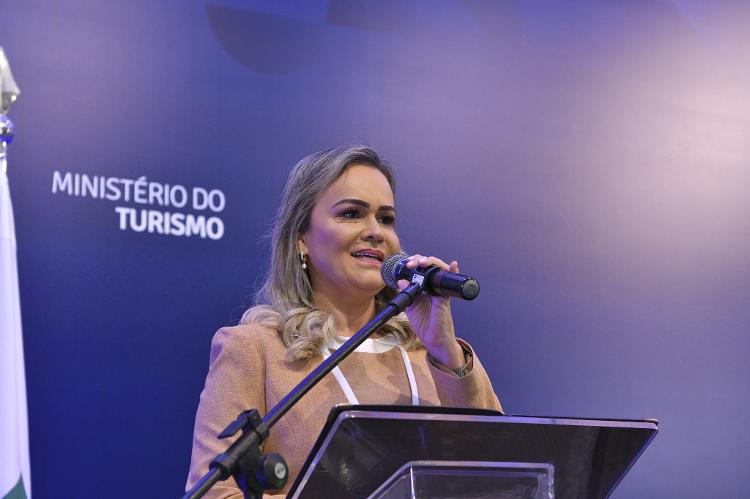
The only positive news was that MTur would still launch the update of the booklet “Tips for LGBTQIA+ tourists” in April, discontinued by the previous management.
Embratur responded, after the deadline, saying that they had run out of e-mail but already had the answers if they could still send them.
Even with a positive response, the answers had not come when this column was published.
EFFECTIVE CHANGES FOR TOURISM
It is clear that reconstruction, which is the motto of the current government, is something to be done in the long term and that the whole sector faces a “cursed heritage” of a dollar above R$5, an unstable economy, urgent social issues and scandals involving the Minister of Tourism at the beginning of the mandate.
Not to mention the attempted coup in January and many other things besides tourism. But I think it is plausible to expect something more concrete.
After four years of dismantling, the dammed demand for affirmative action was expected to turn into, at least, concrete planning.
Despite this, we have a few things to celebrate.
In early February, the Ministry of Tourism released videos about the “100-Day Plan” based on five axes.
Hidden under the axis “Sustainability and Climate Change”, the Minister says she will “strengthen programs aimed at inclusive tourism, reaching women, elderly people, LGBTQIA+ and people with disabilities.”
Even though the text on the screen is “Tourism for all”, in the masculine even [in Brazilian Portuguese], instead of “Tourism for all people”, forgetting to prioritize women and LGBTQIA+ people in this same announcement.
The Federal Government’s new campaign brings touches of sexual diversity, even if very subtle and hidden in a hug from friends. In Embratur’s new one, however, not even that happened.
A video of the entity released in January by the LGBT Chamber of Brazil – and which, according to the Chamber, was launched in August last year, still under the previous administration – signs the piece in English with “Brazil, the country of Diversity”, even if the affective-sexual diversity only appears subtly in the second to last frame, with two women in bikinis looking at each other and smiling.
To make it clear, I am convinced of and have no regrets about my decision in October at the polls.
But I will not settle for subtle crumbs, and I hope that the LGBTQIA+ tourism sector in Brazil will have the same position.
Beyond sponsorships and speeches, we need to see, in practice, the promotion of the segment happening.
Even if we are not in opposition, the charge can – and should – happen. MTur and Embratur, we are counting on you and will follow you very closely. ;)
Full text of the note sent by the Ministry of Tourism:
“The Ministry of Tourism acts to strengthen inclusion, citizenship, and the offer of quality services in the country and, starting with the reactivation of the National Tourism Council, planned for April, it will start the construction of the new National Tourism Plan that will guide the sector’s actions.
It is worth mentioning that the Ministry of Tourism will launch the updated Guide “Tips to Assist LGBTQIA+ Tourists” next month.
The publication aims to guide tourism service providers on how to serve this public, offering tips that ensure welcome and respect in destinations and tourist attractions to LGBTQIA+ tourists, who represent 10% of travelers worldwide and move 15% of the sector’s revenues, according to data from the World Tourism Organization (WTO).”
*This text does not necessarily reflect the opinion of UOL
With information from UOL
Read More from The Rio Times