São Paulo Names Maurício de Sousa’s Work Cultural Heritage at 90
Culture
Key Facts
Maurício de Sousa, the creator of Brazil’s best-known comic strip, has been written into São Paulo’s official heritage, and the city has built him a monument to match.
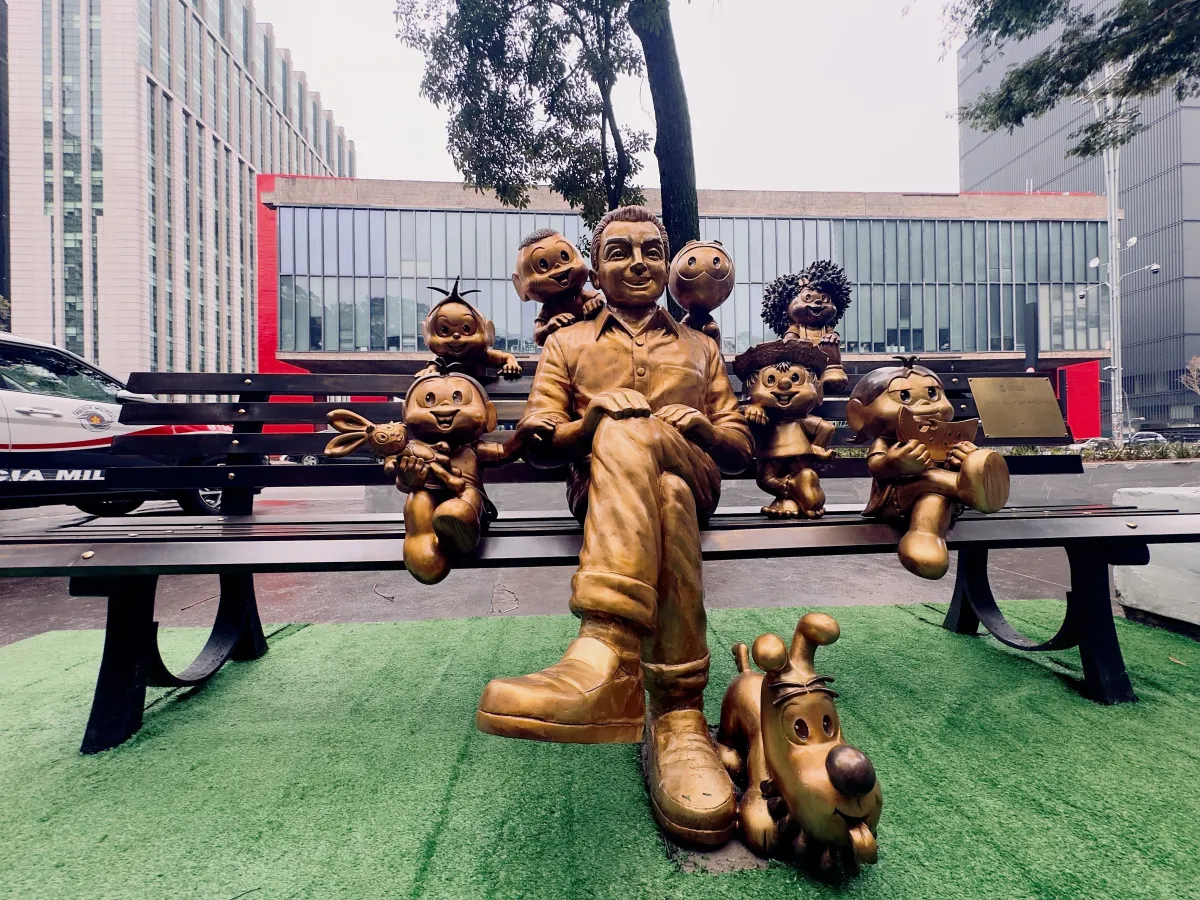
The cartoonist behind Turma da Mônica, known in English as Monica’s Gang, has had his life’s work recognised by the city as Intangible Cultural Heritage, the trigger for a sprawling, mostly free programme across São Paulo this winter. Now 90, he has drawn the same cast of neighbourhood children since the 1960s, building one of the most widely read bodies of work in the country.
Intangible Cultural Heritage is a designation that protects living traditions rather than buildings or objects. It typically covers practices like music, dance, festivals, craft techniques and oral traditions that communities pass down through generations and consider essential to their identity.
Why São Paulo is honoring Maurício de Sousa
The heritage listing is the formal reason for the celebrations, and it places a comic-book universe alongside the music, food and festivals that cities more usually protect. For a country where Turma da Mônica is a shared childhood reference, the designation reads as official confirmation of something readers already felt.
The recognition also raises questions about how cultural heritage evolves in a media age. Can a commercial comic strip carry the same weight as traditional folk practices, and does widespread affection across generations make a work of popular culture worthy of formal protection?
A bronze bench, a parade and 91 statues
The centrepiece of the legacy is a bronze bench unveiled on June 26 in front of Parque Trianon, on Avenida Paulista. It shows Maurício de Sousa seated among eight of his characters, among them Mônica, Cebolinha, Cascão and Magali, and is designed to be sat on and photographed.
Avenida Paulista is the financial and cultural spine of São Paulo, a wide boulevard lined with museums, corporate towers and green spaces that serves as the symbolic heart of the city. Placing the bench there signals the importance the city attaches to the tribute.
The emotional high point came two days later. A free parade at the Anhembi Sambadrome, the Desfile Maurício 90, drew around 30,000 people with four floats, more than 400 performers and an original score tracing the artist’s career.
The Sambadrome is the purpose-built stadium where samba schools compete during Carnival, so using it for a comic-book tribute borrows the visual language and emotional scale of Brazil’s most important popular festival. The choice of venue underscores the ambition behind the celebration.
Around those two events sits a city-wide occupation. The programme adds 91 sculptures of his characters in parks and squares, giant inflatables at landmarks such as the Theatro Municipal, and a new official city mascot, Paulistinha, a nine-year-old the artist drew especially for São Paulo.
The mascot carries its own back-story — told of the planned tribute, Maurício de Sousa asked to give the city something in return and drew Paulistinha, a curious nine-year-old meant to embody São Paulo, who now fronts a special comic, 30,000 copies handed out free, that tours landmarks from Ibirapuera Park to the Liberdade district.
From comic strip to cultural infrastructure
What the tribute really marks is the scale of what Maurício de Sousa built. The strip grew into Mauricio de Sousa Produções, a licensing and media business of magazines, films, attractions and merchandise that made his characters a fixture of Brazilian commerce as much as of childhood.
Run today with his grandson Marcos Saraiva among its executives, the company has turned the family into one of the country’s cultural institutions, and the bench on Paulista now fixes that status in metal.
Reading runs through the celebrations as much as commerce — his institute is donating 22,000 comics and 800 books to the city’s libraries and running storytelling workshops, a nod to the role the strips have long played in teaching Brazilian children to read. Beyond the page, the characters have carried into animation and hit live-action films, widening an audience that now spans several generations.
Whether the tribute will deepen engagement with the characters among younger audiences or simply cement nostalgia among older readers remains an open question. So too does the broader challenge facing any long-running franchise: how does a body of work created in one era stay relevant as the country around it changes?
More: Brazil news in English, every day from The Rio Times.
Frequently Asked Questions
Who is Maurício de Sousa?
Maurício de Sousa is a Brazilian cartoonist, writer and businessman, now 90, best known as the creator of Turma da Mônica, or Monica’s Gang, the country’s most popular comic strip. He has drawn the series since the 1960s and built it into a large licensing and media company based in São Paulo.
What is the São Paulo tribute?
After recognising his work as Intangible Cultural Heritage of the city, São Paulo mounted a mostly free, city-wide programme. It includes a permanent bronze bench on Avenida Paulista, a 30,000-strong parade at the Anhembi Sambadrome on June 28, 91 sculptures of his characters around the city, giant inflatables and a new official mascot.
Where can visitors see the characters?
The most accessible spot is the bronze bench in front of Parque Trianon on Avenida Paulista, which is permanent and free to visit. From late June, giant inflatables appear at the Mário de Andrade Library, the Theatro Municipal and the Centro Cultural São Paulo, and 91 character sculptures are spread across parks and squares through July.
Connected Coverage
› Rio Book Biennial Opens, Honoring Cartoonist Maurício de Sousa
This article was produced by The Rio Times’ automated newsroom system. How we use AI · Report an error
Read More from The Rio Times