Brazil’s Deflation Print Hands the Copom an Easy Week
BRAZIL · MONETARY POLICY
Key Facts
- —The data August IPCA came in at minus 0.32 percent, a deflation reading.
- —What drove it Lower electricity, air fares, some food and fuel prices.
- —The rate now The Selic stands at 14.00 percent a year.
- —The meeting The Copom meets on Tuesday and Wednesday, 15 and 16 September.
- —What is priced A fifth consecutive cut of 0.25 points, to 13.75 percent.
- —The complication Brent above US$100 a barrel has not yet reached the August index.
Brazilian prices fell in August. The central bank meets on Tuesday, and the oil shock that will test the reading is still working its way through.
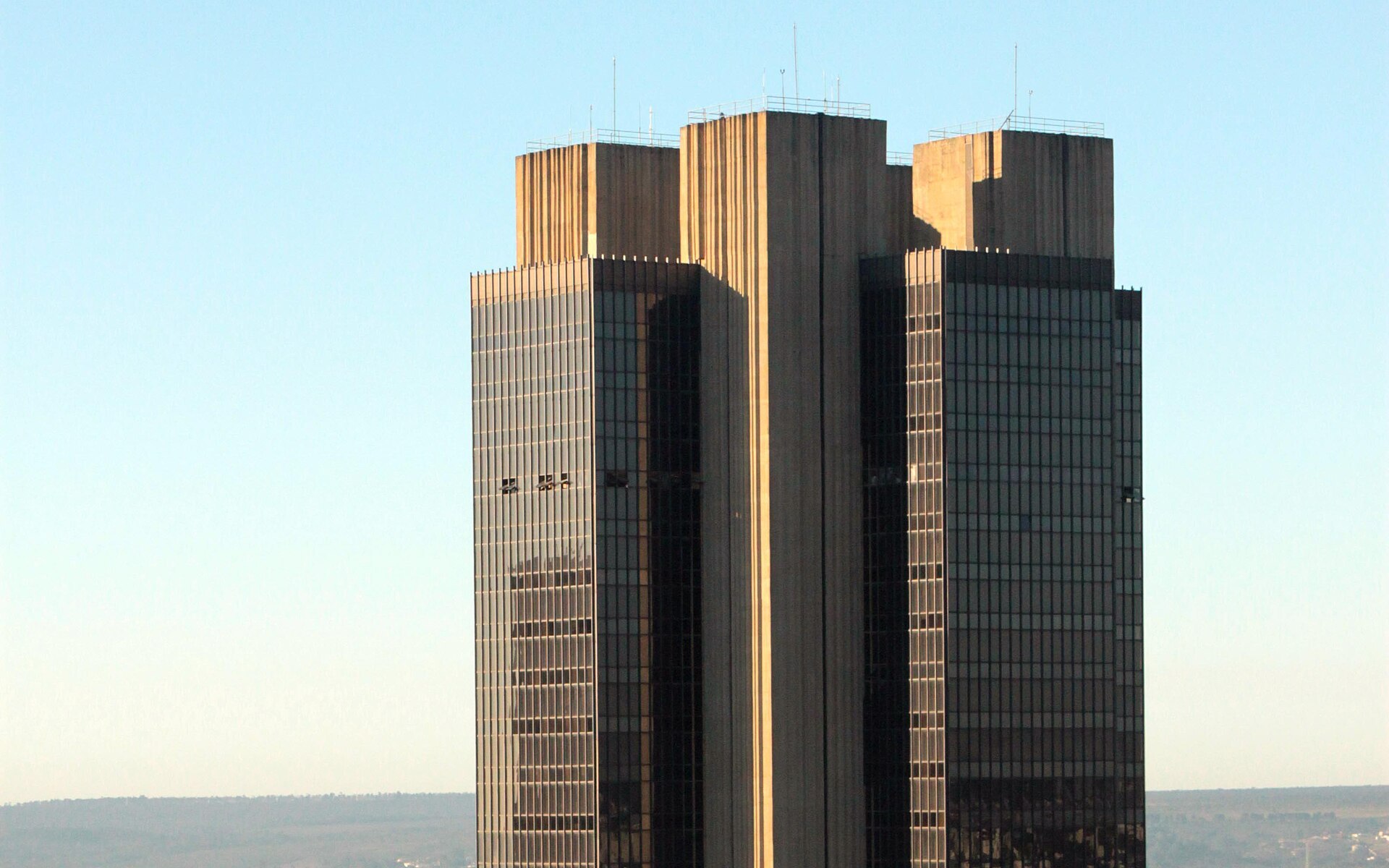
August produced the first negative monthly inflation reading in years in Brazil, and the central bank meets three days later with a fifth consecutive rate cut already priced.
What the Number Was
The IPCA fell 0.32 percent in August. The contributions came from electricity, air fares, parts of the food basket and fuel.
A monthly deflation print is not the same as deflation. It reflects a particular month’s mix, and in this case the electricity component did a great deal of work.
Markets read it as confirmation rather than surprise, which is why the reaction was in the rate path rather than in the currency.
What the Copom Faces
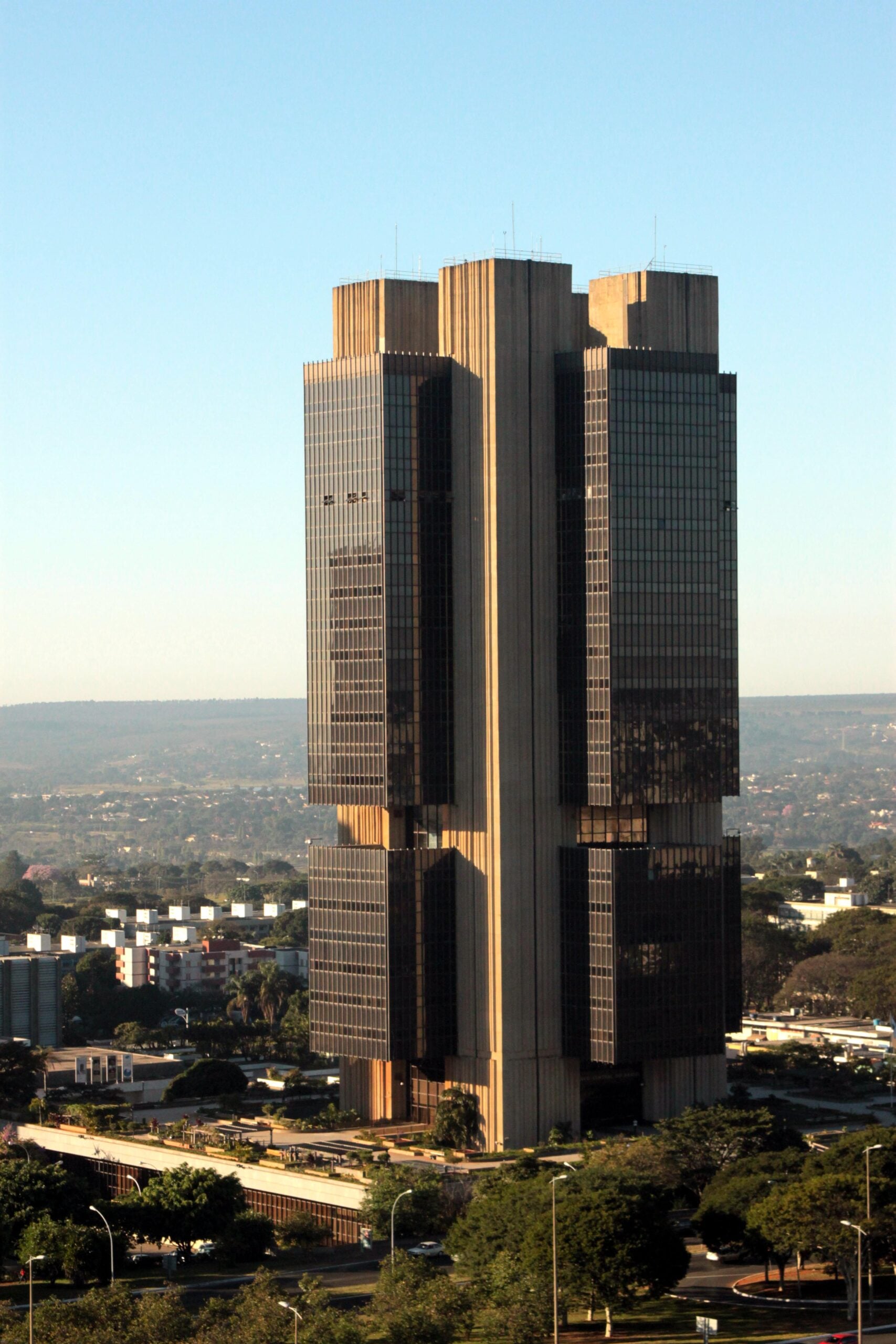
The Selic is at 14.00 percent. The Copom meets on 15 and 16 September and the market is pricing a cut of 0.25 points to 13.75 percent, the fifth in the current sequence.
That is a slow easing cycle by Brazilian standards, and deliberately so. The committee has been signalling gradualism, and a deflation print does not change the pace so much as remove any argument for pausing.
The interest-rate curve improvement has already shown up in the equity market, with rate-sensitive names outperforming this week.

Live Market IntelligenceBrazil — Live Market Board
Rio Times · Live Market Intelligence
Brazil — Live Market Board
-0.56%
187,206.89
-0.56%
63,924.77
-0.28%
11,220.10
-0.16%
3,098,898
-1.87%
2,589.69
-1.41%
59,373.28
-0.32%
| Instrument | Last | Change | YoY | Prev. | High | Low | Volume |
|---|---|---|---|---|---|---|---|
| IBOV | 187,206.89 | -0.56% | +21.85% | 188,268.59 | 168,310 | 167,142 | — |
| USD/BRL | 5.16 | +0.01% | -5.13% | 5.16 | 5.18 | 5.14 | — |
| SELIC | 14.00% | — | — | — | — | — | |
| PETR4 | 41.64 | -0.05% | +35.19% | 41.66 | 41.97 | 41.15 | 41,499,400 |
| VALE3 | 72.97 | +0.83% | +30.75% | 72.37 | 73.54 | 72.66 | 17,658,000 |
| ITUB4 | 38.60 | -1.03% | +4.57% | 39.00 | 39.34 | 38.39 | 29,487,800 |
| BBDC4 | 16.85 | +0.36% | +3.50% | 16.79 | 16.90 | 16.67 | 19,416,900 |
| BBAS3 | 19.37 | +0.47% | +0.73% | 19.28 | 19.44 | 19.16 | 11,069,200 |
| B3SA3 | 14.26 | -0.21% | +12.73% | 14.29 | 14.47 | 14.11 | 33,037,800 |
| ABEV3 | 14.89 | -0.80% | +21.91% | 15.01 | 15.07 | 14.81 | 16,453,100 |
| WEGE3 | 47.59 | +0.49% | +29.99% | 47.36 | 48.08 | 47.36 | 3,364,600 |
| PRIO3 | 59.14 | -0.19% | +50.67% | 59.25 | 59.81 | 58.74 | 3,325,600 |
| SUZB3 | 41.33 | +2.35% | -23.55% | 40.38 | 41.48 | 40.35 | 3,914,900 |
| RENT3 | 34.68 | -0.09% | +0.84% | 34.71 | 34.96 | 34.35 | 7,979,100 |
| AZZA3 | 15.89 | -2.63% | -53.76% | 16.32 | 16.42 | 15.82 | 1,330,300 |
| CSNA3 | 4.30 | +0.47% | -42.65% | 4.28 | 4.41 | 4.26 | 10,076,100 |
| GGBR4 | 24.69 | +2.19% | +51.38% | 24.16 | 24.85 | 24.18 | 7,047,600 |
| ENEV3 | 24.21 | -1.38% | +70.49% | 24.55 | 24.64 | 23.99 | 9,297,000 |
What Is Not in the August Data
Brent crude passed US$100 a barrel on 9 September on Middle East supply fears, and the price has stayed elevated since.
That is September, not August. Fuel at the pump is one of the fastest-transmitting components in the Brazilian index, and the government’s subsidy package, costed by the planning minister at around R$7 billion (about US$1.37 billion) a month, is what currently stands between the oil price and the consumer index.
A subsidy holds the number down and does not remove the pressure. The September and October readings are where that shows.
The committee will know this. A cut on Wednesday is a judgment that the disinflation is real enough to absorb an external shock that has not yet fully arrived.
What a Gradual Cycle Buys
Brazil reached 14.00 percent through one of the most aggressive tightening cycles in the world, and it is unwinding it at a quarter point a meeting.
That pace is a deliberate signal. A central bank that cuts fifty points establishes an expectation it then has to manage; one that cuts twenty-five keeps every option open and forces the market to re-read the statement each time.
It also reflects a committee that does not fully trust the disinflation. Brazilian inflation expectations have been slow to re-anchor and the fiscal picture provides no help.
What the Subsidy Does to the Data
The fuel subsidy package signed in early September holds the pump price down while the oil price rises. That keeps the fuel component of the index artificially flat.
A central bank reading an index whose fuel component is being held by a monthly Treasury decision is reading a number that contains a policy choice. The committee will discount it, and anyone forecasting from the headline print alone will not.
The subsidy is reviewed monthly. Whenever it ends, the price it has been suppressing arrives in the index at once rather than gradually, which is the usual cost of holding a number down.
More: Brazil news in English, every day from The Rio Times.
Frequently Asked Questions
What was August inflation?
The IPCA fell 0.32 percent, driven by electricity, air fares, some food and fuel.
Where is the Selic?
At 14.00 percent a year.
When does the Copom meet?
15 and 16 September 2026.
What is priced in?
A cut of 0.25 points to 13.75 percent, the fifth consecutive reduction.
What could change the picture?
Brent above US$100 a barrel since 9 September, which is not in the August data and is currently being absorbed by a fuel subsidy costing around R$7 billion (about US$1.37 billion) a month.
Sources: IBGE, Jornal de Brasilia, BM&C News, InfoMoney.
This article was produced by The Rio Times’ automated newsroom system. How we use AI · Report an error
Read More from The Rio Times