Brazil · Trade
Key Facts
- Zero for now — Orders up to US$50 currently arrive with no federal import tax.
- Tax may return — From 9 September a 20% tax on cheap parcels could come back.
- The deadline — Congress must renew the exemption by 8 September, or the tax returns.
- State tax stays — A state sales tax of about 17% still applies to every parcel.
- Orders jumped — Cheap-parcel shipments have surged since the tax was scrapped.
- Who’s exposed — Shein, Shopee and AliExpress lean heavily on sub-US$50 orders.
- Bigger orders — Anything above US$50 already faces a 60% federal import tax.
Congress has until 8 September to approve a temporary rule that zeroed Brazil import tax on parcels up to US$ 50. Otherwise the 20% ’taxa das blusinhas’ returns on 9 September, hitting Shein, Shopee and AliExpress buyers.
A Brazil import tax is set to zero on international parcels up to fifty dollars, but that could end on 8 September 2026. If Congress does not approve the measure, the twenty percent ’taxa das blusinhas’ returns the next day, hitting Shein, Shopee and AliExpress buyers.
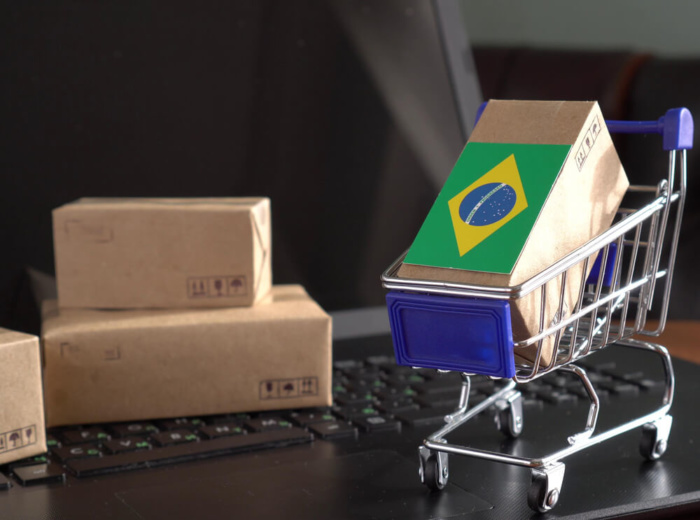
How Brazil Import Tax Was Zeroed
The government published Provisional a temporary government rule on 12 May 2026, letting the Finance Minister set the federal import tax at zero for shipments up to fifty dollars. This applied to purchases made under the simplified import schememe, a certification scheme for international marketplaces.
The measure also allowed a rate of up to thirty percent for parcels worth up to three thousand dollars. That higher band is not in force, though it could be used if officials choose to.
Shipments above fifty dollars still pay the old sixty percent federal import tax, according to news reports. That rate has not changed since 2023.
What Happens On 8 September
Provisional measures expire if Congress does not vote within one hundred and twenty days. For this measure, that deadline falls on 8 September 2026.
If the measure lapses, the twenty percent federal import tax on sub-fifty-dollar parcels comes back automatically from 9 September. There is no grace period, so prices would rise almost overnight.
A news story published on 9 August 2026 said the tax would return at the start of September if the measure is not approved. The government is now racing to secure a vote, according to a columnist.
The vote is tight because parliament is juggling thirty-two temporary rules. That means the outcome is uncertain and could go either way.
The Cost Difference For Buyers
Right now, a forty-dollar dress from Shein carries no federal import tax. You still pay state tax, which is roughly seventeen percent calculated internally, raising the effective burden to about twenty and a half percent in some cases.
If the twenty percent tax returns, that same dress effectively gains another eight dollars on top. A fifty-dollar order could carry a combined federal and state burden near forty percent, making cross-border shopping far less appealing.
For comparison, a fifty-dollar order would face about ten dollars in federal tax alone. That is a big jump for budget-conscious shoppers.
The added cost would be about two dollars per ten-dollar item, which adds up quickly for frequent buyers. Shopper behaviour could shift toward domestic retailers if prices climb.
Platforms And Parcel Volumes
The end of the tax boosted cross-border buying substantially. In Ceará alone, international remittances jumped sixty-four point three five percent after the measure took effect.
That figure shows how sensitive demand is to the tax. It also suggests a reversal could hit sales hard across the country.
AliExpress is a certified participant in the simplified import scheme, so its sub-fifty-dollar orders face zero federal tax today. Shein and Shopee have similar exposure.
If the tax returns, all three marketplaces would likely see a drop in Brazilian orders. Analysts say cross-border platforms could lose a meaningful share of their Brazilian revenue.
The sharp rise in parcel volumes also put pressure on logistics networks. A reversal might ease that strain but would reduce consumer choice.
Why This Matters To You
If you live in Brazil or invest in Latin American e-commerce, this deadline shapes your costs and your portfolio. A return to twenty percent would raise prices on everyday items and could cool demand for cross-border platforms within weeks.
The expiry also signals how fast policy can shift in Brazil. Parliament is juggling thirty-two temporary rules, so the vote is not guaranteed.
That uncertainty is worth watching for anyone with exposure to Brazilian consumer stocks or online retail.
More: Brazil news in English, every day from The Rio Times.
Frequently Asked Questions
What is the current Brazil import tax on parcels up to US$ 50?
The current federal import tax is zero percent for eligible purchases under the simplified import schememe. This zero rate was introduced by a temporary rule published on 12 May 2026. The state tax of about seventeen percent still applies on top.
When could the 20% ’taxa das blusinhas’ return?
The twenty percent tax returns on 9 September 2026 if Congress does not approve the measure by 8 September. The measure expires on that date, and the old rate would restart automatically the following day.
Which platforms are most affected by the Brazil import tax?
Shein, Shopee and AliExpress are the main cross-border marketplaces affected. All three participate in or rely on the simplified import schememe, which currently allows zero federal tax on orders up to fifty dollars. A return to twenty percent would raise their prices for Brazilian shoppers.
What happens to parcels above US$ 50 if the measure expires?
Parcels above fifty dollars already pay a sixty percent federal import tax, and that rate continues regardless of the temporary rule. The zero-rate exemption only applies to shipments up to fifty dollars. The possible thirty percent rate for parcels up to three thousand dollars is not currently in force.
Connected Coverage
- Brazil Import Tax Pause Faces 8 September Expiry
- End of Brazil’s Small-Import Tax Sends Parcel Orders Surging 118%
- Brazil Vetoes Parts of Health Law to Cut US$ Import Dependence
- Cheap Imports Flood Brazil After the ‘Small-Parcel’ Tax Change
Sources: Brazil’s Federal Revenue Service; Poder360; Reuters
This article was produced by The Rio Times’ automated newsroom system. How we use AI · Report an error
Read More from The Rio Times