IBOV 171,259 ▲ 0.52% IPSA 10,770 ▼ 1.21% IPC MEX 66,848 ▼ 0.41% MERVAL 3,248,428 ▼ 0.89% COLCAP 2,347.07 ▼ 1.93% BVL PERÚ 55,659.77 ▼ 2.43% USD/BRL5.19▲ 0.20% USD/MXN17.63▲ 0.43% USD/CLP913.39▼ 0.10% USD/COP3,419▼ 0.70% USD/PEN3.39▼ 0.13% USD/ARS1,471▼ 0.03% USD/UYU39.91▲ 1.09% USD/PYG6,064▲ 1.31% USD/BOB6.86▲ 1.82% USD/DOP58.38▲ 0.66% USD/CRC452.10▲ 2.38% USD/GTQ7.62▲ 2.22% USD/HNL26.68▲ 1.36% USD/NIO36.62▲ 0.68% USD/VES619.98▲ 5.68% USD/PAB1.00— 0.00% USD/BZD2.00— 0.00% USD/JMD155.98▼ 0.33% USD/TTD6.69▲ 0.54% EUR/BRL5.89▼ 0.05% BRENT 75.50 ▼ 2.05% WTI 71.76 ▼ 1.98% IRON ORE 161.91 — — COPPER 6.08 ▼ 1.06% GOLD 4,082 ▼ 1.15% SILVER 61.07 ▼ 1.53% SOY 1,144 ▲ 2.37% CORN 410.75 ▲ 0.24% WHEAT 598.50 ▲ 2.00% COFFEE 274.15 ▼ 4.79% SUGAR 13.96 ▲ 4.02% ORANGE JUICE 151.05 ▼ 2.30% COTTON 78.14 ▲ 5.65% COCOA 4,652 ▲ 2.35% BEEF 246.05 ▼ 3.82% CATTLE 368.28 ▼ 0.58% LITHIUM 78.43 ▼ 5.01% PETR4 39.33 ▲ 0.41% VALE3 79.38 ▼ 1.89% ITUB4 41.05 ▲ 0.27% BBDC4 17.84 ▲ 0.91% ABEV3 16.37 ▲ 1.24% BBAS3 19.86 ▲ 1.43% B3SA3 14.72 ▲ 0.14% WEGE3 45.71 ▲ 1.02% PRIO3 56.10 ▼ 1.02% SUZB3 41.95 ▼ 0.21% RENT3 41.78 ▲ 2.35% AZZA3 20.10 ▲ 3.61% CSAN3 3.75 ▲ 2.74% RAIZ4 0.42 — 0.00% PCAR3 2.08 ▲ 1.96% GMAT3 3.84 ▲ 1.32% PSSA3 52.19 ▼ 1.97% CVCB3 1.32 ▲ 4.76% POSI3 3.86 ▼ 1.03% SLCE3 13.46 ▲ 0.30% NATU3 7.72 ▲ 0.65% BRKM5 7.60 ▲ 2.29% RANI3 7.63 ▼ 0.65% CSNA3 5.27 ▼ 1.31% CMIN3 4.28 ▼ 0.47% USIM5 8.66 ▼ 4.94% GGBR4 21.70 ▼ 0.91% ENEV3 25.20 ▲ 2.31% NEOE3 33.80 — 0.00% CPFE3 44.12 ▼ 0.56% CMIG4 10.99 ▲ 0.46% EQTL3 38.20 ▲ 1.46% LREN3 14.54 ▲ 1.04% VIVT3 34.28 ▲ 2.21% RAIL3 12.90 ▲ 3.45% KLABIN 16.81 ▼ 0.71% RAIA DROGASIL 17.00 ▲ 1.25% RDOR3 34.34 ▲ 1.51% HAPV3 10.28 ▼ 3.11% FLRY3 15.07 ▲ 0.67% SMTO3 14.77 ▲ 1.16% UGPA3 25.49 ▲ 1.07% VBBR3 29.39 ▼ 0.03% BBSE3 38.27 ▼ 0.93% BPAC11 52.80 ▲ 1.13% CURY3 34.33 ▲ 1.36% AERI3 2.13 ▼ 1.39% VIVARA 21.88 ▲ 4.64% COMPASS 25.10 ▲ 2.57% VAMOS 2.81 ▲ 2.18% SANB11 26.75 ▼ 0.74% ASAI3 7.94 ▲ 3.12% SBSP3 28.16 ▲ 0.90% WALMEX 50.68 ▲ 0.22% GMEXICO 206.10 ▼ 1.87% FEMSA 223.29 ▲ 2.70% CEMEX 21.37 ▼ 1.79% GFNORTE 184.55 ▼ 1.77% BIMBO 56.02 ▼ 0.36% TELEVISA 9.50 — 0.00% AMX 22.74 ▲ 0.35% GAP 426.86 ▼ 1.15% ASUR 296.01 ▼ 1.41% OMA 235.06 ▼ 1.00% KOF 188.09 ▲ 1.68% GRUMA 280.58 ▼ 1.13% KIMBER 37.17 ▼ 0.83% SQM-B 70,150 ▼ 1.41% COPEC 5,967 ▼ 0.22% BSANTANDER 73.00 ▼ 2.58% FALABELLA 5,686 ▼ 3.61% ENELAM 82.80 ▼ 0.72% CENCOSUD 2,159 ▼ 0.05% CMPC 1,043 ▼ 0.48% BANCO CHILE 178.10 ▼ 2.14% LATAM AIR 25.35 ▼ 0.08% YPF 74,700 ▼ 1.06% GGAL 7,965 ▼ 2.45% PAMPA 5,120 ▼ 0.97% TXAR 682.00 ▲ 2.94% ALUAR 1,033 ▲ 2.68% TGS 9,460 ▼ 2.12% CEPU 2,345 ▼ 1.39% MIRGOR 16,425 ▲ 0.15% COME 44.24 ▼ 0.81% LOMA NEGRA 3,810 ▲ 5.03% BYMA 318.00 ▲ 0.16% TELECOM ARG 4,048 ▼ 0.25% ECOPETROL 15.51 ▼ 4.55% BANCOLOMBIA 80.97 ▼ 0.38% GRUPO AVAL 5.31 ▼ 0.56% CREDICORP 368.77 ▼ 3.10% SOUTHERN COPPER 178.57 ▼ 5.97% BUENAVENTURA 31.00 ▼ 4.35% MERCADOLIBRE 1,584 ▼ 0.36% NUBANK 12.59 ▼ 1.56% XP 15.72 ▼ 1.69% PAGSEGURO 8.76 ▼ 0.57% STONE 10.72 ▼ 0.19% GLOBANT 29.28 ▼ 2.30% TECNOGLASS 45.38 ▼ 1.71% GAP AIRPORT 244.10 ▼ 1.94% ASUR 296.01 ▼ 1.41% OMA AIRPORT 107.66 ▼ 1.83% AMX ADR 25.85 ▼ 0.88% FEMSA ADR 127.11 ▲ 1.56% CEMEX ADR 12.16 ▼ 3.34% PETROBRAS ADR 17.03 ▲ 0.12% VALE ADR 15.31 ▼ 2.55% ITAU ADR 7.94 ▲ 0.13% SANTANDER BR 5.26 ▼ 0.94% AMBEV ADR 3.17 ▲ 0.80% CSN 1.04 ▼ 0.95% GERDAU 4.17 ▼ 1.88% LATAM ADR 55.74 ▲ 0.02% BTC 62,393 ▼ 0.44% ETH 1,662 ▼ 0.18% SOL 68.95 ▼ 1.00% XRP 1.09 ▼ 2.14% BNB 574.88 ▼ 0.47% ADA 0.15 ▼ 2.82% DOGE 0.08 ▼ 0.39% AVAX 6.40 ▼ 1.32% LINK 7.57 ▼ 0.67% DOT 0.90 ▼ 1.11% LTC 41.87 ▼ 0.63% BCH 191.96 ▼ 1.33% TRX 0.33 ▲ 0.68% XLM 0.19 ▼ 2.54% HBAR 0.08 ▼ 1.13% NEAR 1.95 ▼ 1.43% ATOM 1.66 ▼ 3.50% AAVE 74.16 ▲ 2.34% SELIC 14.25% EMBRAER 78.80 ▲ 0.59% EMBRAER ADR 61.08 ▲ 0.20% JBS 12.23 ▲ 2.60% JBS BDR 62.80 ▲ 1.45% MBRF3 16.80 ▲ 9.88% MBRFY 3.15 — 0.00% INTER 5.33 ▼ 1.11% IBOV 171,259 ▲ 0.52% IPSA 10,770 ▼ 1.21% IPC MEX 66,848 ▼ 0.41% MERVAL 3,248,428 ▼ 0.89% COLCAP 2,347.07 ▼ 1.93% BVL PERÚ 55,659.77 ▼ 2.43% USD/BRL 5.19 ▲ 0.20% USD/MXN 17.63 ▲ 0.43% USD/CLP 913.39 ▼ 0.10% USD/COP 3,419 ▼ 0.70% USD/PEN 3.39 ▼ 0.13% USD/ARS 1,471 ▼ 0.03% USD/UYU 39.91 ▲ 1.09% USD/PYG 6,064 ▲ 0.60% USD/BOB 6.86 ▲ 1.82% USD/DOP 58.38 ▲ 0.66% USD/CRC 452.10 ▲ 2.38% USD/GTQ 7.62 ▲ 2.22% USD/HNL 26.68 ▲ 1.36% USD/NIO 36.62 ▲ 0.68% USD/VES 619.98 ▲ 5.68% USD/PAB 1.00 — 0.00% USD/BZD 2.00 — 0.00% USD/JMD 155.98 ▼ 0.33% USD/TTD 6.69 ▲ 0.53% EUR/BRL 5.89 ▼ 0.05% BRENT 75.50 ▼ 2.05% WTI 71.76 ▼ 1.98% IRON ORE 161.91 — — COPPER 6.08 ▼ 1.06% GOLD 4,082 ▼ 1.15% SILVER 61.07 ▼ 1.53% SOY 1,144 ▲ 2.37% CORN 410.75 ▲ 0.24% WHEAT 598.50 ▲ 2.00% COFFEE 274.15 ▼ 4.79% SUGAR 13.96 ▲ 4.02% ORANGE JUICE 151.05 ▼ 2.30% COTTON 78.14 ▲ 5.65% COCOA 4,652 ▲ 2.35% BEEF 246.05 ▼ 3.82% CATTLE 368.28 ▼ 0.58% LITHIUM 78.43 ▼ 5.01% PETR4 39.33 ▲ 0.41% VALE3 79.38 ▼ 1.89% ITUB4 41.05 ▲ 0.27% BBDC4 17.84 ▲ 0.91% ABEV3 16.37 ▲ 1.24% BBAS3 19.86 ▲ 1.43% B3SA3 14.72 ▲ 0.14% WEGE3 45.71 ▲ 1.02% PRIO3 56.10 ▼ 1.02% SUZB3 41.95 ▼ 0.21% RENT3 41.78 ▲ 2.35% AZZA3 20.10 ▲ 3.61% CSAN3 3.75 ▲ 2.74% RAIZ4 0.42 — 0.00% PCAR3 2.08 ▲ 1.96% GMAT3 3.84 ▲ 1.32% PSSA3 52.19 ▼ 1.97% CVCB3 1.32 ▲ 4.76% POSI3 3.86 ▼ 1.03% SLCE3 13.46 ▲ 0.30% NATU3 7.72 ▲ 0.65% BRKM5 7.60 ▲ 2.29% RANI3 7.63 ▼ 0.65% CSNA3 5.27 ▼ 1.31% CMIN3 4.28 ▼ 0.47% USIM5 8.66 ▼ 4.94% GGBR4 21.70 ▼ 0.91% ENEV3 25.20 ▲ 2.31% NEOE3 33.80 — 0.00% CPFE3 44.12 ▼ 0.56% CMIG4 10.99 ▲ 0.46% EQTL3 38.20 ▲ 1.46% LREN3 14.54 ▲ 1.04% VIVT3 34.28 ▲ 2.21% RAIL3 12.90 ▲ 3.45% KLABIN 16.81 ▼ 0.71% RAIA DROGASIL 17.00 ▲ 1.25% RDOR3 34.34 ▲ 1.51% HAPV3 10.28 ▼ 3.11% FLRY3 15.07 ▲ 0.67% SMTO3 14.77 ▲ 1.16% UGPA3 25.49 ▲ 1.07% VBBR3 29.39 ▼ 0.03% BBSE3 38.27 ▼ 0.93% BPAC11 52.80 ▲ 1.13% CURY3 34.33 ▲ 1.36% AERI3 2.13 ▼ 1.39% VIVARA 21.88 ▲ 4.64% COMPASS 25.10 ▲ 2.57% VAMOS 2.81 ▲ 2.18% SANB11 26.75 ▼ 0.74% ASAI3 7.94 ▲ 3.12% SBSP3 28.16 ▲ 0.90% WALMEX 50.68 ▲ 0.22% GMEXICO 206.10 ▼ 1.87% FEMSA 223.29 ▲ 2.70% CEMEX 21.37 ▼ 1.79% GFNORTE 184.55 ▼ 1.77% BIMBO 56.02 ▼ 0.36% TELEVISA 9.50 — 0.00% AMX 22.74 ▲ 0.35% GAP 426.86 ▼ 1.15% ASUR 296.01 ▼ 1.41% OMA 235.06 ▼ 1.00% KOF 188.09 ▲ 1.68% GRUMA 280.58 ▼ 1.13% KIMBER 37.17 ▼ 0.83% SQM-B 70,150 ▼ 1.41% COPEC 5,967 ▼ 0.22% BSANTANDER 73.00 ▼ 2.58% FALABELLA 5,686 ▼ 3.61% ENELAM 82.80 ▼ 0.72% CENCOSUD 2,159 ▼ 0.05% CMPC 1,043 ▼ 0.48% BANCO CHILE 178.10 ▼ 2.14% LATAM AIR 25.35 ▼ 0.08% YPF 74,700 ▼ 1.06% GGAL 7,965 ▼ 2.45% PAMPA 5,120 ▼ 0.97% TXAR 682.00 ▲ 2.94% ALUAR 1,033 ▲ 2.68% TGS 9,460 ▼ 2.12% CEPU 2,345 ▼ 1.39% MIRGOR 16,425 ▲ 0.15% COME 44.24 ▼ 0.81% LOMA NEGRA 3,810 ▲ 5.03% BYMA 318.00 ▲ 0.16% TELECOM ARG 4,048 ▼ 0.25% ECOPETROL 15.51 ▼ 4.55% BANCOLOMBIA 80.97 ▼ 0.38% GRUPO AVAL 5.31 ▼ 0.56% CREDICORP 368.77 ▼ 3.10% SOUTHERN COPPER 178.57 ▼ 5.97% BUENAVENTURA 31.00 ▼ 4.35% MERCADOLIBRE 1,584 ▼ 0.36% NUBANK 12.59 ▼ 1.56% XP 15.72 ▼ 1.69% PAGSEGURO 8.76 ▼ 0.57% STONE 10.72 ▼ 0.19% GLOBANT 29.28 ▼ 2.30% TECNOGLASS 45.38 ▼ 1.71% GAP AIRPORT 244.10 ▼ 1.94% ASUR 296.01 ▼ 1.41% OMA AIRPORT 107.66 ▼ 1.83% AMX ADR 25.85 ▼ 0.88% FEMSA ADR 127.11 ▲ 1.56% CEMEX ADR 12.16 ▼ 3.34% PETROBRAS ADR 17.03 ▲ 0.12% VALE ADR 15.31 ▼ 2.55% ITAU ADR 7.94 ▲ 0.13% SANTANDER BR 5.26 ▼ 0.94% AMBEV ADR 3.17 ▲ 0.80% CSN 1.04 ▼ 0.95% GERDAU 4.17 ▼ 1.88% LATAM ADR 55.74 ▲ 0.02% BTC 62,393 ▼ 0.44% ETH 1,662 ▼ 0.18% SOL 68.95 ▼ 1.00% XRP 1.09 ▼ 2.14% BNB 574.88 ▼ 0.47% ADA 0.15 ▼ 2.82% DOGE 0.08 ▼ 0.39% AVAX 6.40 ▼ 1.32% LINK 7.57 ▼ 0.67% DOT 0.90 ▼ 1.11% LTC 41.87 ▼ 0.63% BCH 191.96 ▼ 1.33% TRX 0.33 ▲ 0.68% XLM 0.19 ▼ 2.54% HBAR 0.08 ▼ 1.13% NEAR 1.95 ▼ 1.43% ATOM 1.66 ▼ 3.50% AAVE 74.16 ▲ 2.34% SELIC 14.25% EMBRAER 78.80 ▲ 0.59% EMBRAER ADR 61.08 ▲ 0.20% JBS 12.23 ▲ 2.60% JBS BDR 62.80 ▲ 1.45% MBRF3 16.80 ▲ 9.88% MBRFY 3.15 — 0.00% INTER 5.33 ▼ 1.11%
since 2009
Wednesday, June 24, 2026

World Bank Climate Fund Backs Brazil Industry Cleanup With $250M
By · June 24, 2026 · 6 min read

Daily Brief

The morning intel from across Latin America. Free.

By subscribing you agree to our privacy policy. We never share your email.

Economy

Key Facts

The approval. The Climate Investment Funds, a $14 billion pool of climate capital managed by the World Bank, approved $250 million for Brazil on June 22, 2026.
A regional first. Mexico received a matching $250 million, making this the first program of its kind aimed at cleaning up industry in Latin America’s two largest economies.
The multiplier. The two grants are expected to unlock more than $5 billion in further financing, with roughly $2.56 billion of that from private investors.
Target sectors. The money is aimed at the hardest industries to clean up: iron and steel, cement, chemicals and aluminum.
The emissions math. Together the Brazil and Mexico programs are projected to keep nearly 2 million tonnes of carbon dioxide out of the air each year.
Why now. The deal lands as the European Union prepares a carbon border tax that will penalise dirty imports, raising the stakes for Brazilian exporters.

A World Bank-run climate fund has put real money behind Brazil industrial decarbonization, approving a quarter of a billion dollars to start cleaning up the country’s heavy industry and hoping to draw in billions more from private investors.

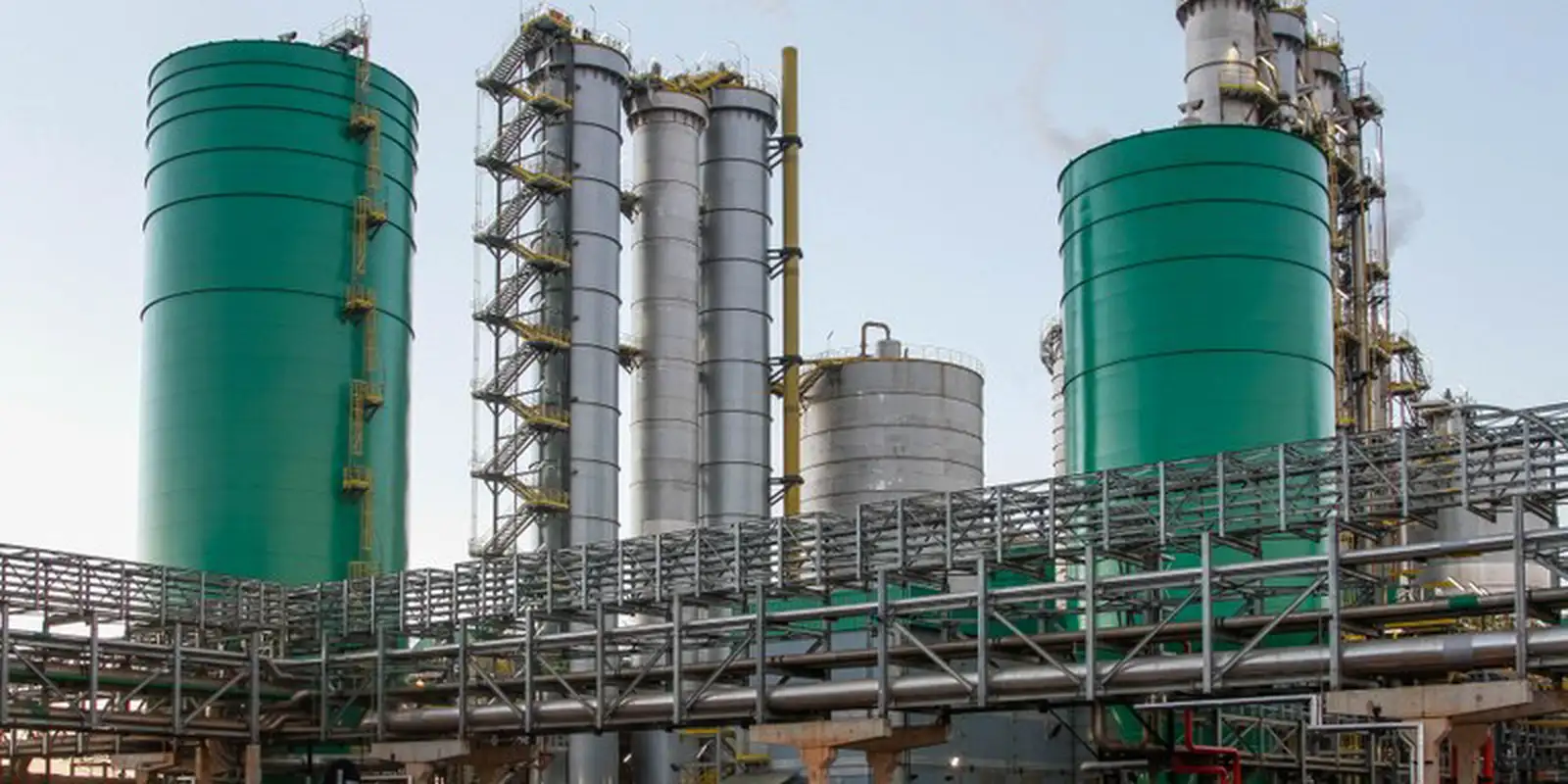
World Bank Climate Fund Backs Brazil Industry Cleanup With $250M. (Photo Internet reproduction)
RT
Ask Rio Times
17 years of Latin America reporting, on demand.
Open the full Ask Rio Times →

The Climate Investment Funds, a fourteen-billion-dollar pool of climate-focused money managed by the World Bank, said it approved two hundred and fifty million dollars for Brazil. Mexico was granted the same amount on the same day.

For a London or Munich investor, the headline number is small. The reason it matters is what it is designed to trigger.

The fund calls this catalytic financing. The idea is to use a modest public grant to lower the risk on a project so that far larger private and bank money is willing to follow it in.

In this case the two grants together are expected to unlock more than five billion dollars in further financing. The fund expects private investors to supply about two and a half billion dollars of that, with development banks covering the rest.

The fund has used the same playbook in Brazil before, and to striking effect. An earlier clean-energy plan put up seventy million dollars and was projected to mobilise more than nine billion dollars in total, most of it private.

That kind of leverage is the whole point. A small grant that de-risks the first stage can crowd in the kind of long-term capital that emerging-market industrial projects usually struggle to attract.

Why Brazil industrial decarbonization is the hard part

Brazil already runs one of the cleanest power grids in the world, with more than eighty percent of its electricity coming from renewable sources. The dirty part of its economy is not the power plants.

It is the factories. Industry is where the country’s emissions are stubborn, and where the new money is being aimed.

The money targets the industries that are hardest to clean up: iron and steel, cement, chemicals and aluminum. These sectors burn enormous amounts of heat and have no easy switch to green power.

That is why the fund describes the program as a first of its kind for the region. Most climate money so far has gone into forests, farmland and renewable electricity, not into the smokestacks of heavy manufacturing.

The CIF’s chief executive framed the wider stakes plainly, calling the global race to clean up industry a contest emerging markets are now leading rather than following.

A bigger plan than one grant

This approval is one piece of a much larger push. Brazil was ranked first among the countries chosen to join the fund’s billion-dollar industry decarbonization program, and the new grant sits alongside earlier climate financing the country has already secured.

It also connects to a green hydrogen hub being built at the port of Pecém in the northeastern state of Ceará. That complex is meant to produce clean fuel for exactly the heavy industries this money is trying to reach.

In May the World Bank separately approved a five-hundred-million-dollar loan for an energy transition in Brazil’s northeast, part of a package worth nearly a billion dollars. The new grant adds to that momentum rather than replacing it.

Brazil has also been drafting a national strategy to clean up its industry, a plan that uses tax breaks and cheap credit rather than blunt regulation. The aim is to keep its factories competitive while cutting their carbon.

The European angle investors are watching

There is a hard commercial reason behind the timing. The European Union is rolling out a carbon border tax that will charge importers for the emissions baked into steel, cement and aluminum.

For a country that sells heavily into Europe, that turns cleaner factories from a nice-to-have into a way of defending market share. A Brazilian steelmaker that lowers its carbon now pays less at the European border later.

That is the read-through for foreign capital. The grant itself is small, but it signals where the public money, the development banks and the regulatory pressure are all pointing at once.

It also fits a pattern in how money is flowing into the country. Foreign direct investment reached seventy-seven billion dollars in 2025, and a growing share of it is going into services and the energy transition rather than old-style factories and raw commodities.

For investors, the practical question is whether the catalytic model delivers. The promise is five billion dollars from a quarter-billion-dollar seed, and the first real test will be how much private money actually shows up behind it.

What exactly did the climate fund approve for Brazil industrial decarbonization?

The Climate Investment Funds approved two hundred and fifty million dollars in catalytic financing for Brazil, with a matching amount for Mexico. The money is meant to clean up heavy industry and pull in billions of dollars in additional private and development-bank financing.

Why does such a small sum matter to investors?

Because it is designed to act as a trigger. The grant lowers the risk on industrial projects so that larger private money follows, and it signals where Brazil’s public policy, its development banks and Europe’s coming carbon rules are all pushing.

Which industries does the money target?

It targets the hardest sectors to clean up: iron and steel, cement, chemicals and aluminum. These are heavy emitters with no simple switch to green electricity, which is why dedicated financing is needed to start the transition.

Frequently Asked Questions

How much funding did Brazil and Mexico each receive from the Climate Investment Funds, and when was it approved?

Brazil and Mexico each received 0 million from the Climate Investment Funds, a billion pool of climate capital managed by the World Bank. Both grants were approved on June 22, 2026, marking the first program of its kind aimed at cleaning up industry in Latin America's two largest economies.

Which industries are targeted by this climate funding, and what is the projected environmental impact?

The money is aimed at the hardest industries to decarbonize, including iron and steel, cement, chemicals, and aluminum. Together, the Brazil and Mexico programs are projected to keep nearly 2 million tonnes of carbon dioxide out of the air each year.

Why is this relatively modest grant considered significant for attracting larger investment?

The two grants are expected to unlock more than billion in further financing, with roughly .56 billion of that coming from private investors. The fund uses this approach, called catalytic financing, to leverage a modest amount of public money into much larger flows of private capital.

Connected Coverage

Brazil’s 2026 Climate Policy: What the Plano Clima Means for Markets

Brazil Renewable Energy 2026: Wind, Solar, Green Hydrogen and the Energy Transition

Read More from The Rio Times

The Rio Times · Power Map
See who really holds power in Latin America
Click to open the Power Map

Rotate for Best Experience

This report is optimized for landscape viewing. Rotate your phone for the full experience.