Brasília Signs a $1.2bn Bank Bailout as Fraud Fallout Spreads
Economy
Key Facts
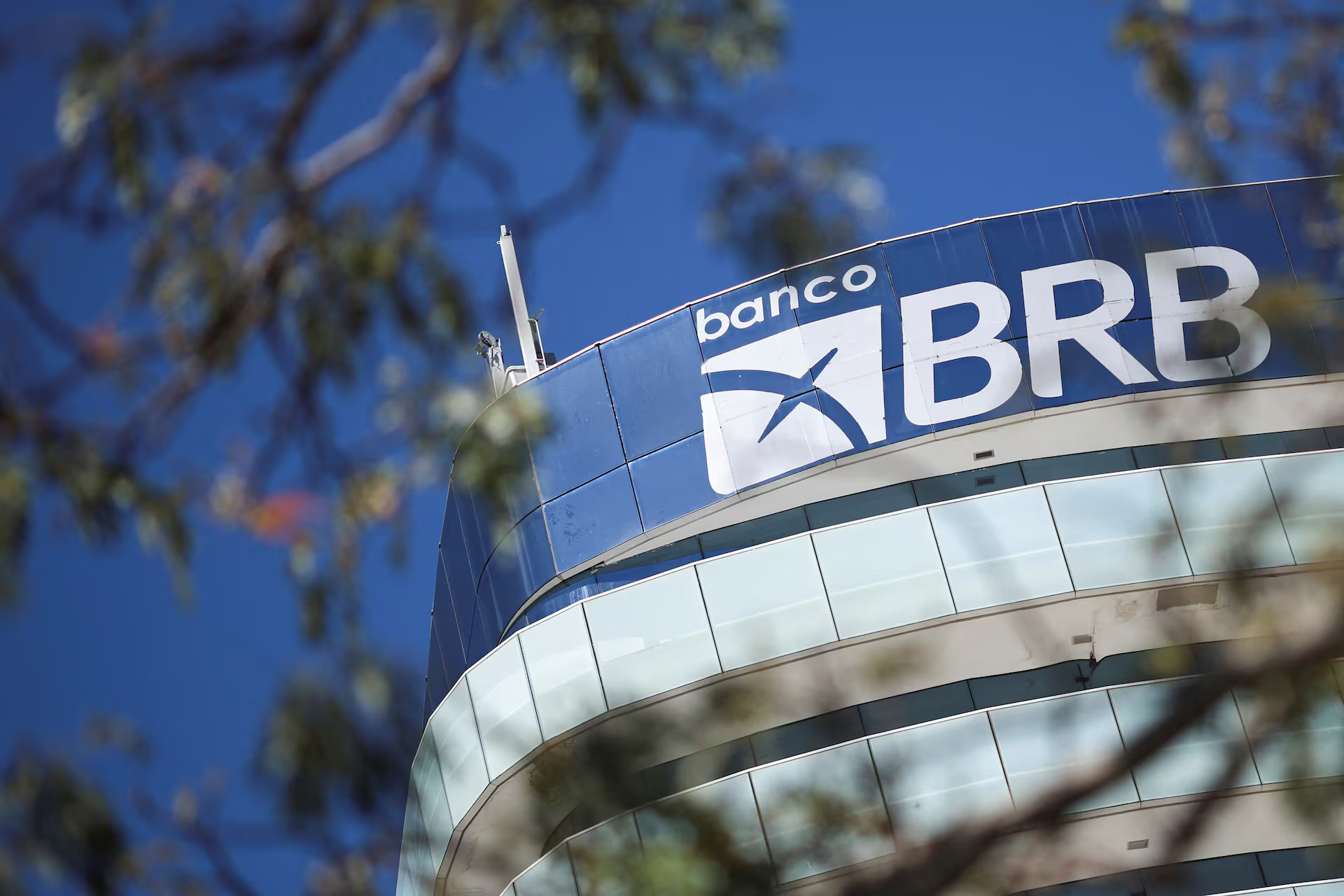
The BRB bank rescue moved from plan to law this week, as Brazil’s capital signed off on a 1.2-billion-dollar bailout of its own lender, just as a court watchdog scrambled to protect billions more in deposits caught in the fallout.
The story starts with a fraud. Late last year a mid-sized private lender, Banco Master, collapsed after regulators found its books stuffed with assets that did not exist, in what is shaping up to be one of Brazil’s largest banking scandals.
Master had grown fast by paying eye-catching returns on its savings products, then funnelled the money into hard-to-sell holdings and fabricated loans. Its founder was arrested at a São Paulo airport as he tried to leave the country, and the central bank ordered the lender wound down.
The damage spread because a state-owned bank had bought into it. The Bank of Brasília, known by its initials BRB and controlled by the government of Brazil’s capital district, had purchased billions of reais in loan portfolios from Master that turned out to be fake.
For a foreign reader, the simplest framing is this. A public bank gambled on a private one, lost, and now the politicians who own it are using public means to keep it alive while the bill ripples outward.
Why the BRB bank rescue matters
On June 24 the capital’s governor, Celina Leão, signed a law authorising a loan of up to 6.6 billion reais, around 1.2 billion dollars, to recapitalise the bank. The money will come from the banking industry’s own safety net, the deposit-guarantee fund, rather than from the public purse.
The structure is unusual. Rather than the federal government standing behind the loan, a syndicate of public and private banks will guarantee it, to be repaid out of federal transfers to states and cities if the capital cannot cover the debt itself.
The law matters because BRB is no ordinary bank. It runs the payroll for the capital’s civil servants and channels money for local public services, so a failure would ripple straight into the government of one of Brazil’s wealthiest districts.
How the BRB bank crisis reaches other states
The same day, the fallout widened. The watchdog that oversees Brazil’s courts, the National Council of Justice, gave five states, the capital district plus Bahia, Alagoas, Maranhão and Paraíba, ten days to report on roughly 30 billion reais they had parked at the bank.
That money is not the courts’ own. It belongs to people and companies tied up in lawsuits, deposited for safekeeping, and the courts had placed it with BRB in exchange for higher returns than they could earn elsewhere.
Economists note the obvious lesson, that higher returns carry higher risk, and that public bodies chasing yield with money they merely hold in trust were taking a gamble they may not have fully weighed. One court reported earning several times more at BRB than it would have at a big federal bank.
Now the worry is whether the cash is safe. If the bank were to fail, the states could be forced to step in and replace the missing deposits, turning one bank’s trouble into a problem for several regional governments at once.
What it means for investors
The episode is a lesson in hidden risk. A fraud at a small private bank has now drawn in a state lender, the industry’s guarantee fund, the courts and the finances of five regional governments, a chain few outsiders would have traced in advance.
The reassuring side is that the system is absorbing the blow without taxpayer money and within the rule of law. The uncomfortable side is how far the damage has travelled, a reminder that in Brazil the line between private bets and public money is thinner than it looks.
More: Brazil news in English, every day from The Rio Times.
Frequently Asked Questions
What is the BRB bank rescue?
It is a law signed on June 24 authorising a loan of up to 6.6 billion reais, about 1.2 billion dollars, to recapitalise the Bank of Brasília. The bank was crippled after buying fake loan portfolios from the collapsed Banco Master.
Who is paying for it?
The money comes from the banking industry’s deposit-guarantee fund, not from taxpayers. A syndicate of public and private banks will guarantee the loan, to be repaid from federal transfers if the capital district cannot.
Why are other states worried?
Five states had placed about 30 billion reais of court-held deposits at the bank for higher returns. A court watchdog has ordered them to account for the money, fearing it could be lost if the bank were to fail.
Connected Coverage
Brazil Sets Conditions for BRB Rescue as Master Crisis Grows
The Banco Master Scandal: Brazil’s Largest Bank Fraud Explained
This article was produced by The Rio Times’ automated newsroom system. How we use AI · Report an error · Editorial responsibility: Matthias Camenzind, Editor-in-Chief