Bradesco Opens Crypto Custody for Companies as Brazil’s Rules Take Shape
Brazil · Fintech
Key Facts
- —The launch Bradesco unveiled an institutional crypto custody service on August 12, aimed at companies rather than everyday users.
- —What it holds The service covers digital currencies, stablecoins and other tokenized assets.
- —The regulator Brazil’s Central Bank supervises crypto firms under a 2022 law and detailed rules that took effect on February 2, 2026.
- —The context Major banks like Itaú are also piloting tokenization, testing digital versions of traditional securities.
- —Why it matters A big, conservative bank offering custody lends everyday credibility to a once-fringe market.
One of Brazil’s biggest, most traditional banks is now offering to hold digital assets for companies. A quiet sign that crypto is growing up.
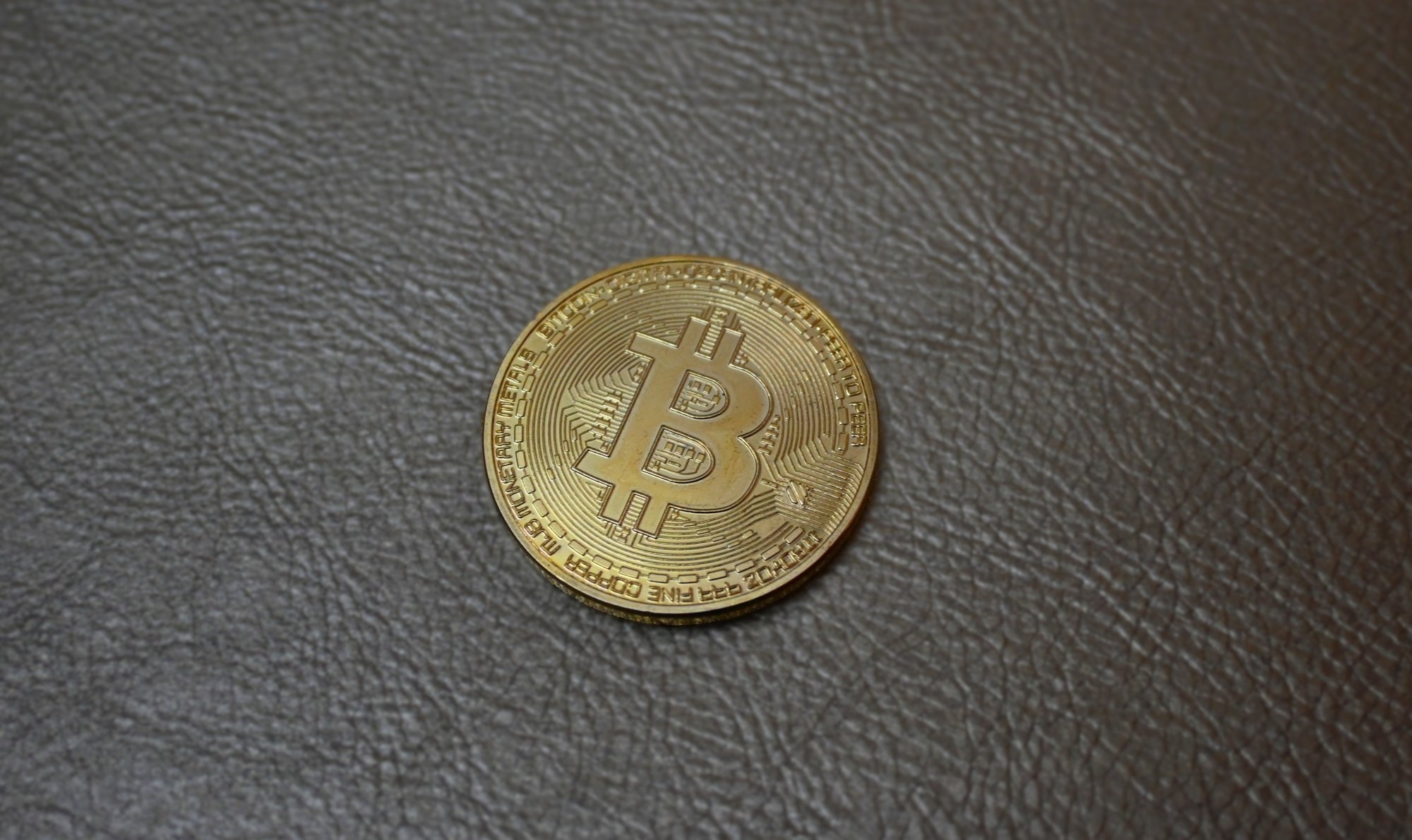
For years, crypto custody was something big Brazilian banks left to specialists and startups. That is changing.
On August 12, Bradesco, one of the country’s largest and most traditional lenders. Opened its own service to safeguard digital assets for companies.
What crypto custody actually means
Custody sounds dull, and that is rather the point. It simply means holding an asset safely on someone else’s behalf.
For shares or bonds, banks have done this for generations. For crypto, the job is trickier and the stakes are unforgiving.
Lose the digital keys to a crypto wallet, and the money is gone for good. Reliable custody is the plumbing that makes serious investment possible.
Who the service is really for
Bradesco is not chasing casual traders here. The service is built for institutions and corporate clients.
Think investment funds, companies and professional investors who want exposure to digital assets without the operational nightmare of guarding them. The offering spans digital currencies like bitcoin, stablecoins pegged to traditional money, and tokenized assets, which are digital versions of real-world holdings.
Live Market IntelligenceCrypto — Live Market Board
Rio Times · Live Market Intelligence
Crypto — Live Market Board
-0.26%
| Instrument | Last | Change | YoY | Prev. | High | Low | Volume |
|---|---|---|---|---|---|---|---|
| BTC | 63,384 | -0.26% | -47.24% | 63,552 | 64,346 | 63,305 | 22,774,743,040 |
| ETH | 1,886 | +0.26% | -58.90% | 1,881 | 1,920 | 1,879 | 7,916,475,392 |
| SOL | 75.89 | -0.40% | -60.44% | 76.20 | 76.99 | 75.39 | 1,473,821,056 |
| XRP | 1.01 | -1.15% | -69.07% | 1.02 | 1.02 | 1.01 | 1,144,044,416 |
| BNB | 609.60 | -1.12% | -26.81% | 616.50 | 619.30 | 609.23 | 1,266,706,432 |
| ADA | 0.18 | -1.98% | -78.22% | 0.19 | 0.19 | 0.18 | 238,085,632 |
| DOGE | 0.07 | -1.56% | -70.00% | 0.07 | 0.07 | 0.07 | 553,256,192 |
| AVAX | 6.38 | +1.04% | -74.11% | 6.32 | 6.42 | 6.21 | 248,470,560 |
| LINK | 8.77 | -0.06% | -62.73% | 8.77 | 8.87 | 8.68 | 317,054,880 |
| DOT | 0.78 | -0.75% | -81.11% | 0.79 | 0.80 | 0.78 | 43,490,492 |
| LTC | 45.08 | -0.85% | -65.45% | 45.47 | 45.59 | 44.98 | 143,727,712 |
| BCH | 213.85 | +0.10% | -65.44% | 213.64 | 215.69 | 212.54 | 137,956,688 |
| TRX | 0.34 | +0.28% | -4.73% | 0.33 | 0.34 | 0.33 | 436,576,064 |
| XLM | 0.16 | -1.33% | -64.46% | 0.16 | 0.16 | 0.16 | 89,559,864 |
| HBAR | 0.07 | -0.53% | -74.67% | 0.07 | 0.07 | 0.07 | 22,546,186 |
| NEAR | 1.65 | +2.42% | -40.55% | 1.62 | 1.68 | 1.61 | 187,591,264 |
| ATOM | 1.40 | -2.36% | -70.15% | 1.44 | 1.44 | 1.40 | 18,626,964 |
| AAVE | 89.06 | +0.93% | -72.33% | 88.24 | 90.20 | 88.19 | 129,099,704 |
Why a bank like Bradesco doing this matters
The identity of the provider is the story. Bradesco is about as mainstream and cautious as Brazilian finance gets.
When an institution of that weight offers crypto custody, it sends a signal to nervous boardrooms. This is no longer only the territory of risk-takers.
For a chief financial officer who trusts Bradesco with payroll. Holding a tokenized asset there feels a great deal safer than using an unknown platform.
Custody is also the gateway to everything else. Once a bank can safely hold digital assets, it can later offer trading, lending and settlement around them.
Closing the gap between two worlds
For a long time, crypto and traditional banking eyed each other warily. One prized freedom and speed, the other rules and safety.
A service like this begins to bridge that divide. It brings digital assets inside the walls of a regulated, familiar institution.
That marriage of old and new is what many companies have been waiting for. They want the upside of crypto without stepping outside the system they trust.
Brazil finally wrote the rulebook
None of this would be comfortable without clear rules, and Brazil now has them. The Central Bank is the authority in charge.
The foundation is a 2022 law that created a framework for virtual-asset service providers, the firms that handle crypto for others. The detail arrived later.
The Central Bank published its implementing rules in late 2025, and they took effect on February 2, 2026.
From a grey zone to a licence queue
The shift is subtle but important. Brazil has moved from a legal grey area into a licensing phase.
Firms that want to offer crypto services now need the Central Bank’s authorization to operate. Existing players were given time to apply.
That structure is exactly what a bank like Bradesco wants. Regulation is not the enemy of institutional adoption; it is the price of entry.
Industry rules to match the law
The state is not acting alone. The market’s own bodies are building standards on top of the law.
ANBIMA, which represents Brazil’s capital markets, introduced self-regulation for digital assets in April 2026. Those guidelines set expectations for custody conduct, security, governance and due diligence.
Together with the Central Bank’s rules, they form a fuller safety net.
Part of a bigger shift into tokenization
Bradesco’s move is one piece of a wider wave sweeping Brazilian finance. Rivals are experimenting too.
Itaú Unibanco, another giant, has run a tokenization pilot testing how fixed-income securities and funds can live on digital rails. The common thread is tokenization: turning traditional assets into digital tokens that can be issued, traded and settled more efficiently.
Why companies want in
For a treasurer, the appeal is practical rather than ideological. Digital assets promise faster settlement and new ways to raise or park money.
Stablecoins, in particular, can move value across borders quickly and cheaply, which matters for firms with international suppliers. But companies will only touch these tools if they can hold them safely and legally.
Custody from a trusted bank removes a major hurdle.
A race no big bank wants to lose
There is competitive logic beneath the caution. Brazilian banking is fiercely contested, and digital assets are a new front.
Whoever builds trusted infrastructure first can win the institutional clients who will define this market for years. Bradesco’s launch is a claim to that ground.
It is betting that custody, the least glamorous corner of crypto, is where the durable business lies.
The caveats worth keeping in mind
Enthusiasm should not erase the risks. Crypto prices remain volatile, and digital assets can be a target for sophisticated theft.
A bank’s custody reduces operational danger, but it does not make the underlying assets any less turbulent. The regulation is also young.
Rules that took effect only this year will be tested by real cases in the months ahead.
What to watch next
The signal to track is adoption. Will Brazilian companies actually move meaningful money into custody, or is this a cautious toe in the water.
Watch, too, whether other big banks follow Bradesco quickly. In Brazilian finance, no institution likes to be left behind for long.
If they do, a market once seen as fringe will have quietly become part of the mainstream plumbing of Brazilian business.
Background: our brazil renewable energy guide.
Background: our brazil tax reform complete guide guide.
Frequently Asked Questions
What is crypto custody?
It is the safekeeping of digital assets on a client’s behalf, including the secure storage of the keys that control them. Losing those keys means losing the assets.
Who can use Bradesco’s service?
It is aimed at institutions and companies, not retail users. It covers digital currencies, stablecoins and tokenized assets.
Is crypto regulated in Brazil now?
Yes. The Central Bank supervises crypto service providers under a 2022 law, with detailed rules that took effect on February 2, 2026.
Why does a traditional bank offering this matter?
It lends credibility. Companies wary of unknown platforms may trust a large, established bank to hold digital assets safely.
What are tokenized assets?
They are digital versions of real-world holdings, such as bonds or funds. Recorded as tokens that can be traded and settled more efficiently.
Sources: Bradesco; Banco Central do Brasil; ANBIMA; Reuters.
This article was produced by The Rio Times’ automated newsroom system. How we use AI · Report an error
Read More from The Rio Times