The Azteca Becomes First Stadium to Open Three World Cups
Mexico · Metropole
Key Facts
—A first in history. No other stadium has ever hosted the opening match of three different World Cups.
—The dates. The venue also opened the 1970 and 1986 tournaments.
—Today. Mexico plays South Africa in the opener on Thursday, June 11.
—The audience. Organizers expect a global viewership in the hundreds of millions for the opening.
—Renamed. For the tournament the ground is officially branded Estadio Ciudad de México.
—Why it matters. The opener is a global advertisement for Mexico, with real stakes for tourism and image.
When the ball is kicked off in Mexico City today, the Azteca Stadium will do something no other ground in football has ever done: open a third World Cup, cementing a place in the sport’s history that no rival venue can match.
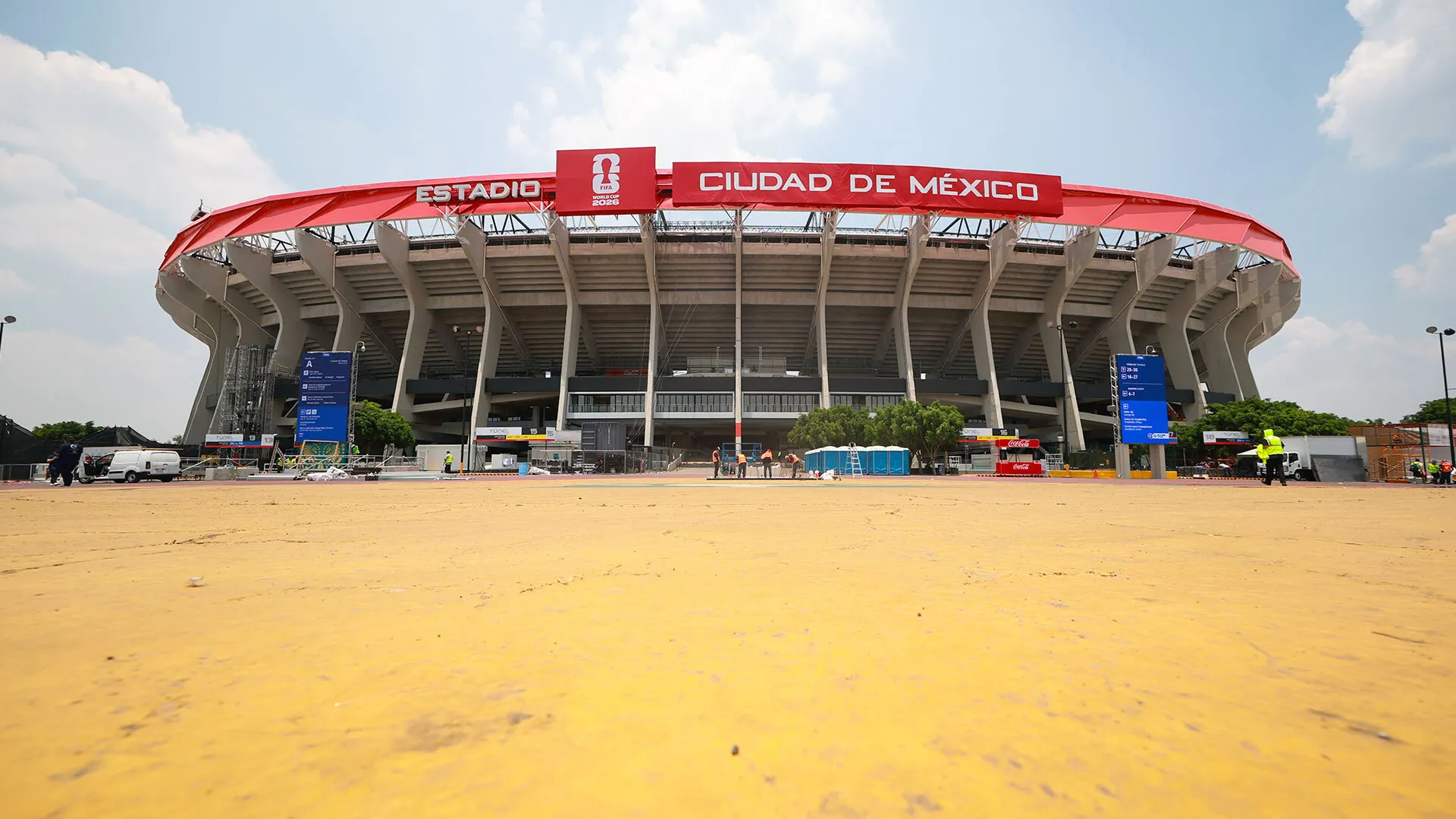
Why the Azteca Stadium record stands alone
On Thursday, June 11, host Mexico faces South Africa in the opening match of the 2026 World Cup, and the setting is as much the story as the football. The match is played at the Mexico City ground that generations have known as the Azteca, and with this kickoff it becomes the first stadium anywhere to host the opening game of three different World Cups. It did so in 1970, again in 1986, and now in 2026. For a building, that is a remarkable kind of fame, and it is one no other venue can claim.
For readers who do not follow the sport closely, it helps to know why this particular ground keeps being chosen. Opened in 1966, the Azteca is one of the largest and most storied stadiums in the Americas, perched at high altitude in a city of more than 20 million people. It has staged some of football’s most famous moments, and its sheer scale and history make it a natural stage whenever the tournament returns to Mexico. For this edition it has been officially renamed Estadio Ciudad de México, a branding requirement of the tournament, though most locals will go on calling it the Azteca regardless.
A stage built from memory
Part of what makes the third opening resonate is the weight of the first two. The 1970 and 1986 tournaments in Mexico are woven into football’s collective memory, remembered for moments that are still replayed around the world decades later. Holding the opener at the same ground stitches the present edition to that past, turning a single match into a kind of anniversary. For Mexican fans, walking into the Azteca for a World Cup opener is to walk into a place layered with national memory, where the country has celebrated and mourned on the biggest stage the sport offers.
That continuity is rare in modern sport, where host cities often build gleaming new stadiums for each event and abandon the old ones. Mexico has instead leaned into its history, betting that the romance of a venue with this pedigree is worth more than a brand-new arena. The decision gives the opening a sense of occasion that a first-time host simply cannot manufacture, and it is a large part of why the eyes of the football world are on this one ground today.
What the opener is worth to Mexico
Beyond the sentiment, there is hard value at stake. The opening match and ceremony of a World Cup draw a global audience counted in the hundreds of millions, and for several hours the host city becomes the backdrop to that broadcast. That is an advertisement money cannot easily buy, reaching travelers, investors and consumers worldwide in a single afternoon. Mexico is one of three host countries this year, sharing the tournament with the United States and Canada, but it holds the prize of the very first match, the moment when global attention is most concentrated.
The payoff is meant to come in tourism, business interest and national image, the soft power that flows from being seen at one’s best by the world. A successful, joyful opener can lift a country’s brand for years, drawing visitors and signaling stability and competence to outsiders. That is why so much effort goes into the spectacle around the football, and why the choice of the Azteca, a venue carrying its own legend, is itself part of the message Mexico wants to send. Today, for the third time, that message begins with a whistle at the same famous ground.
The opener is only the start of Mexico’s month in the spotlight. The country will host a share of the tournament’s matches across several cities before the competition moves north, with the United States and Canada staging their own games and the final set for the New York area in July. But the first whistle carries a weight the later rounds cannot, because it is the moment the world tunes in together. For one afternoon, a single stadium in a single city holds the planet’s attention, and Mexico has chosen to spend that moment at the ground where its football story has been told twice before.
More: South Africa news in English, every day from The Rio Times.
Frequently Asked Questions
Why is the Azteca historic?
It is the first stadium ever to host the opening match of three World Cups, having also opened the 1970 and 1986 tournaments, a record no other venue holds.
Who plays in the opener?
Host Mexico faces South Africa on June 11 in the first match of the tournament, played at the Mexico City ground now branded Estadio Ciudad de México.
Why does the opener matter beyond football?
It draws a global audience in the hundreds of millions, making the host city a worldwide showcase, with real value for tourism and national image.
Connected Coverage
Mexico City Opens the World Cup With a Star-Packed Ceremony
World Cup 2026 Opener: Mexico Meets South Africa at the Azteca
This article was produced by The Rio Times’ automated newsroom system. How we use AI · Report an error
Read More from The Rio Times