Assaí Fuel Stations: Brazil Wholesaler Agrees to Buy 18 for Up to US$15.7 Million
Brazil · Retail
Key Facts
- —What happened Assaí agreed on 17 September 2026 to buy the companies running 18 filling stations at its São Paulo state stores.
- —Who is selling Centro de Conveniências Millennium, the current operator of those stations.
- —What it costs Up to R$80 million (about US$15.7 million), paid in three parts, including a performance-linked earn-out.
- —The catch CADE, Brazil’s competition authority, must approve first, and Assaí cannot take over any station before 31 July 2027.
- —The bigger plan The company says internal studies show long-term potential for more than 100 Assaí fuel stations, with no timetable.
- —Why it matters Brazil’s government is probing fuel prices, and big food retailers are becoming fuel sellers too.
A major Brazilian cash-and-carry chain is buying the filling stations that already operate at its stores. It says the network could one day pass 100.
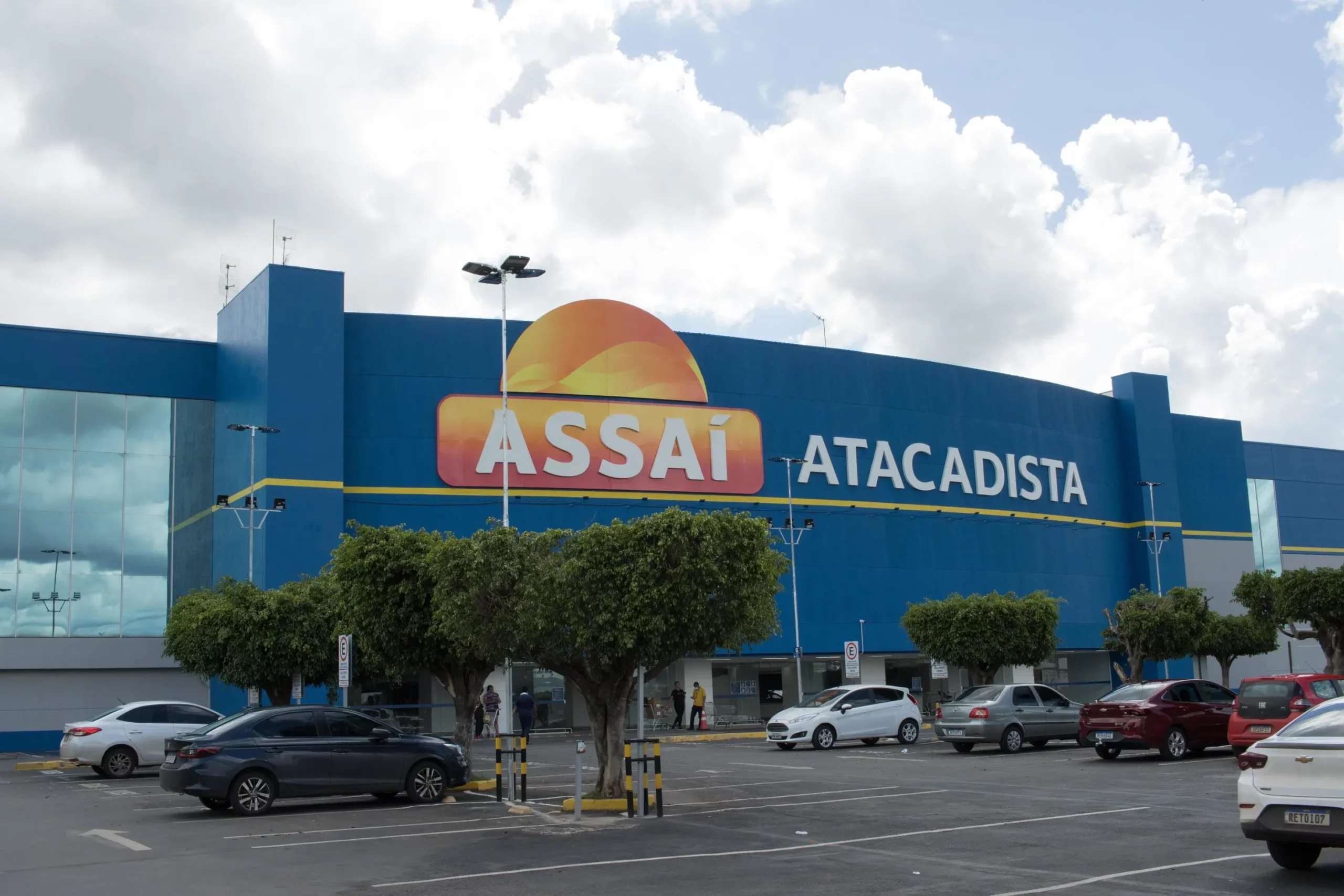
Assaí Atacadista, a major Brazilian cash-and-carry chain, agreed on Thursday 17 September 2026 to buy the operators of 18 Assaí fuel stations. They sit at its stores in São Paulo state.
The price is up to R$80 million (about US$15.7 million). The company disclosed the deal in a material fact, the formal notice listed firms must file with the CVM, Brazil’s securities regulator.
The stations already exist and are run by the seller, Centro de Conveniências Millennium. It will keep operating them until the handover, Exame, a business magazine, reported.
How the money is paid
The payment comes in three parts. R$40 million (about US$7.8 million) is a deposit due after prior approval from CADE, Brazil’s competition authority.
A further R$35 million (about US$6.8 million) depends on completing the purchase of each operating company. Up to R$5 million (about US$1 million) is an earn-out tied to agreed targets.
Those three sums add up to the R$80 million (about US$15.7 million) ceiling. Conversions here use the Central Bank of Brazil’s PTAX rate of 5.11 to the US dollar on 21 September 2026.
The handover will not be quick. Under the filing, Assaí may take over each station only from 31 July 2027, once the conditions precedent are met.
Those conditions include the CADE clearance and the environmental and regulatory licences that fuel retail requires, Exame reported.
Why a food wholesaler wants petrol pumps
Assaí is an “atacarejo”, a Brazilian hybrid of wholesaler and supermarket selling in bulk to small shops and families. It runs more than 310 stores, according to ND Mais.
The company says it serves more than 40 million customers a month. It estimates that about 20 million vehicles pass through its stores each month.
Chief executive Belmiro Gomes framed the logic around assets the chain already has. Scale, customer flow, infrastructure and location are in place, he said, according to InvestNews and Money Report.
The goal, in his account, is to extract more value from car parks and sites that already exist. He linked the move to Assaí Farma, the in-store pharmacy business, and Assaí Digital.
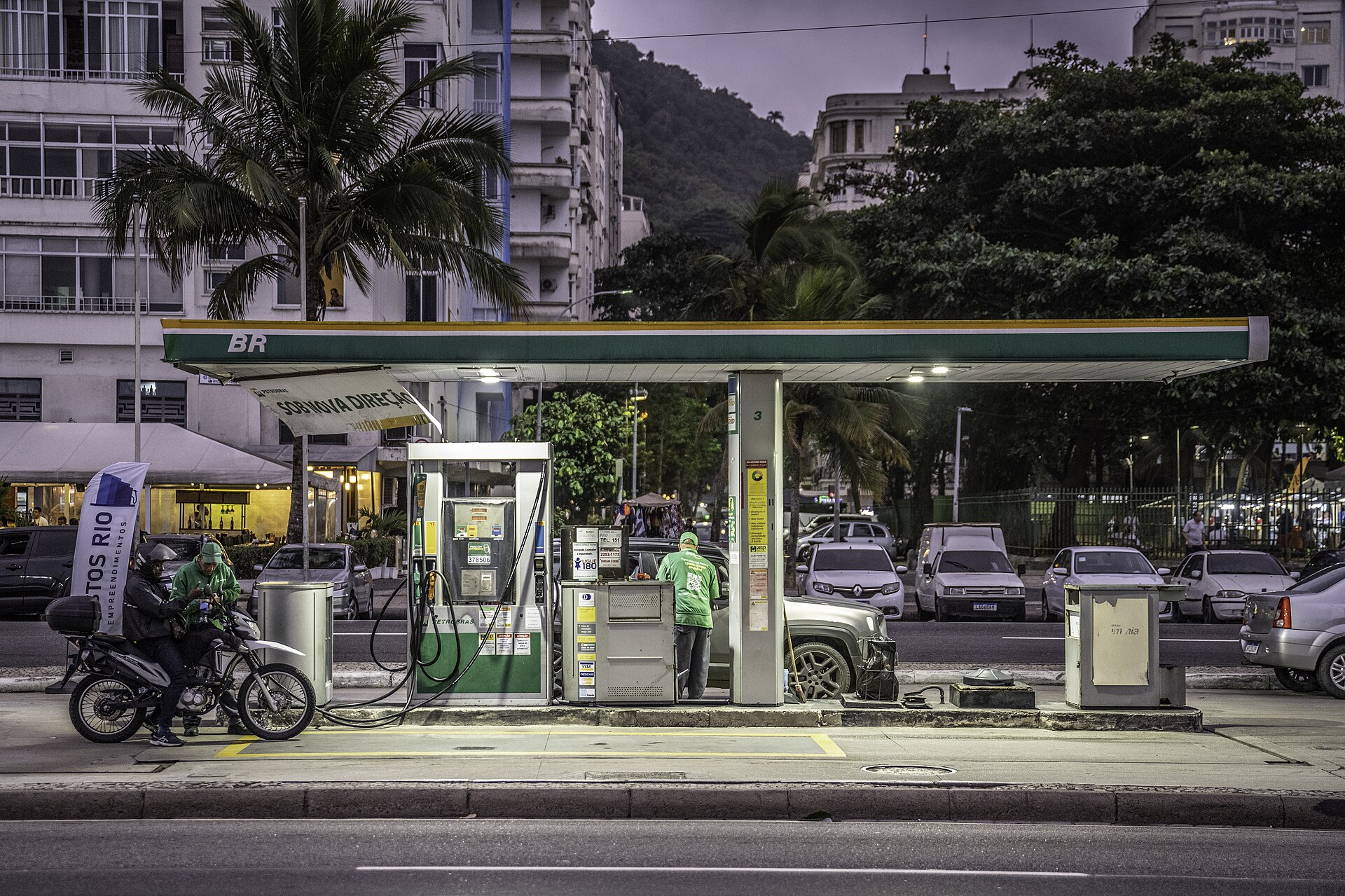
A network of 100 or more, one day
The 18 stations are meant as a starting platform. Assaí said its internal studies show long-term potential to build, gradually, a network of more than 100 stations at its stores.
That ambition carries conditions. Each project must prove viable, and each site needs space, licences and corporate approval, the company said.
No timetable was given for the larger network. The Assaí fuel stations plan follows a path its main rival has already taken.
Grupo Carrefour Brasil, which owns Atacadão, Assaí’s main rival, says it operates 103 fuel stations. Almost all sit in the car parks of its Carrefour hypermarkets and Atacadão stores, InvestNews reported.
What analysts make of it
Analysts at XP Investimentos, a São Paulo brokerage, called the price reasonable in a note dated 18 September 2026. It works out at about R$4.4 million (about US$860,000) per station.
XP compared that with roughly R$4.1 million (about US$800,000) per unit in a 2024 station sale by GPA, the supermarket group. The analysts are Pedro Caravina and Laryssa Sumer.
XP estimated extra annual EBITDA, a measure of operating profit, of R$13 million to R$32 million (about US$2.5 million to US$6.3 million).
That estimate assumed margins of 2% to 5% and monthly sales of about R$3 million (about US$590,000) per station, XP said.
The brokerage also warned that fuel adds “a material layer of operational and regulatory complexity” to the business. Margins are lower, and 18 stations offer limited scale, the analysts added.
A tense moment for fuel prices
The deal lands as Brasília scrutinises pump prices.
On 21 September 2026, the official gazette published notices of 12 sanction proceedings over suspected unjustified fuel price rises. They were opened by the consumer protection department of Senacon, the Justice Ministry’s consumer secretariat.
The targets include the distributors Vibra Energia and Ipiranga, plus several filling stations, Poder360 reported. Assaí and Millennium are not among them.
Each company has 20 days to present a defence. No company has been fined, and no authority has found wrongdoing.
For shoppers, the practical effect lies far off. Until at least 31 July 2027, the stations stay under their current operator.
More: Brazil coverage, every day from The Rio Times.
Frequently Asked Questions
What exactly is Assaí buying?
Assaí is buying the companies that run 18 filling stations already operating at its stores in São Paulo state. The seller is Centro de Conveniências Millennium, the current operator. The deal was disclosed in a material fact filed with the CVM, Brazil’s securities regulator, on 17 September 2026.
How much will Assaí pay?
Up to R$80 million (about US$15.7 million). That is R$40 million (about US$7.8 million) after CADE approval, R$35 million (about US$6.8 million) as each company purchase completes, and up to R$5 million (about US$1 million) in an earn-out tied to targets.
Does the deal need regulatory approval?
Yes. CADE, Brazil’s competition authority, must approve it before the first payment. The stations also need environmental and regulatory licences, and Assaí cannot take over any of them before 31 July 2027.
Will Assaí fuel stations spread beyond these 18?
The company says its internal studies show long-term potential for more than 100 stations at its stores. It set no timetable and said each site depends on viability, space, licences and corporate approval.
Sources: Atlas Público on Assaí’s material fact filed with the CVM, Exame on the seller and the timetable, InfoMoney on the 100-station ambition, InvestNews on the payment terms and Atacadão, Money Report on the chief executive’s rationale, XP Investimentos analyst note, ND Mais on the current operator, Poder360 on the Senacon fuel-price proceedings, Central Bank of Brazil PTAX exchange rates
This article was produced by The Rio Times’ automated newsroom system. How we use AI · Report an error
Read More from The Rio Times