Asian Currencies Tumble as Yuan Hits Six-Month Low Amid Divergent Monetary Policies
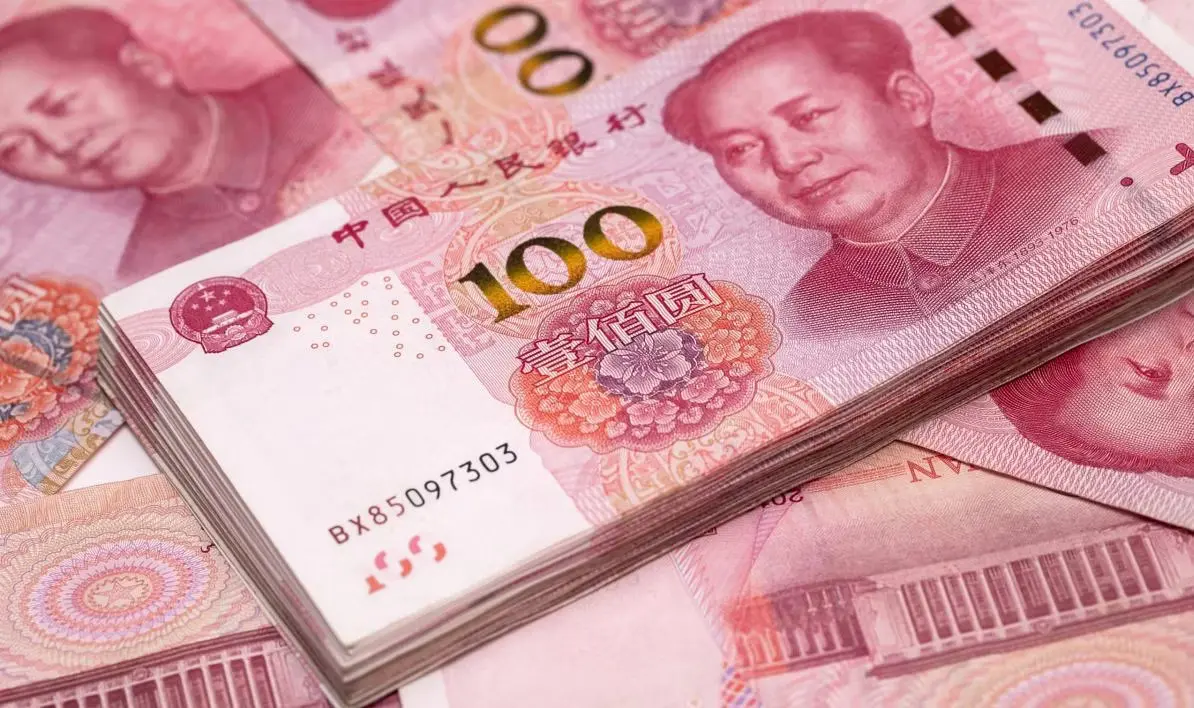
Asian currencies weakened on Wednesday, with the Chinese yuan reaching its lowest level in six months against the dollar.
The onshore yuan fell to 7.2488 per dollar, surpassing its previous low in April. Meanwhile, the offshore yuan dropped to 7.2667 per dollar, marking a new low.
The People’s Bank of China (PBOC) set its reference rate at 7.1106 per dollar on Wednesday, the lowest since January.
This adjustment allowed the yuan to weaken further. The yuan trades within a band of plus or minus 2% from the reference rate.
Analysts attribute the yuan’s decline to the dollar’s strength, driven by high U.S. interest rates and the Federal Reserve’s firm stance on inflation.
Ray Attrill, head of FX strategy at National Australia Bank, highlighted the contrasting monetary policies of the U.S. and China.
The Federal Reserve has maintained its highest interest rates in over two decades.
Fed Chair Jerome Powell noted that inflation is falling more slowly than expected. In contrast, the PBOC has kept its benchmark interest rates unchanged.
It has also introduced measures to stimulate China’s economy, including scrapping minimum interest rates for mortgages.
Additionally, they created a 300 billion yuan financing scheme to support local governments in buying unsold homes. This policy divergence puts continuous depreciation pressure on the yuan.
Gary Ng, a senior economist at Natixis, expects this pressure to persist unless the U.S. adopts a more dovish stance. Other Asian currencies also weakened.
Currency Movements in Asia
The Japanese yen fell, with the USDJPY pair rising past 157 yen to the dollar. Bank of Japan member Adachi Seiji mentioned cautious policy tightening due to the yen’s weakness.
The Australian dollar saw limited strength despite higher-than-expected April inflation.
This was due to dollar strength and concerns over slowing economic growth in Australia. The broader Asian market reflected similar trends.
The South Korean won’s USDKRW pair rose 0.2%. The Singapore dollar’s USDSGD pair added 0.1%.
The Indian rupee’s USDINR pair also rose 0.1%, nearing record highs from May above 83 rupees to the dollar.
The weakening of Asian currencies, especially the yuan, underscores the challenges of divergent monetary policies and economic conditions.
The market remains focused on upcoming data, including the US GDP report. This report could further influence currency movements and economic strategies.
This article was produced by The Rio Times’ automated newsroom system. How we use AI · Report an error
Read More from The Rio Times