Asian Currencies Plummet as Trump’s Victory Sparks Market Turmoil
Donald Trump’s victory in the 2024 U.S. presidential election significantly impacted Asian financial markets. The dollar surged against regional currencies as investors braced for a return to protectionist policies. Asian central banks scrambled to prepare intervention measures to defend their currencies.
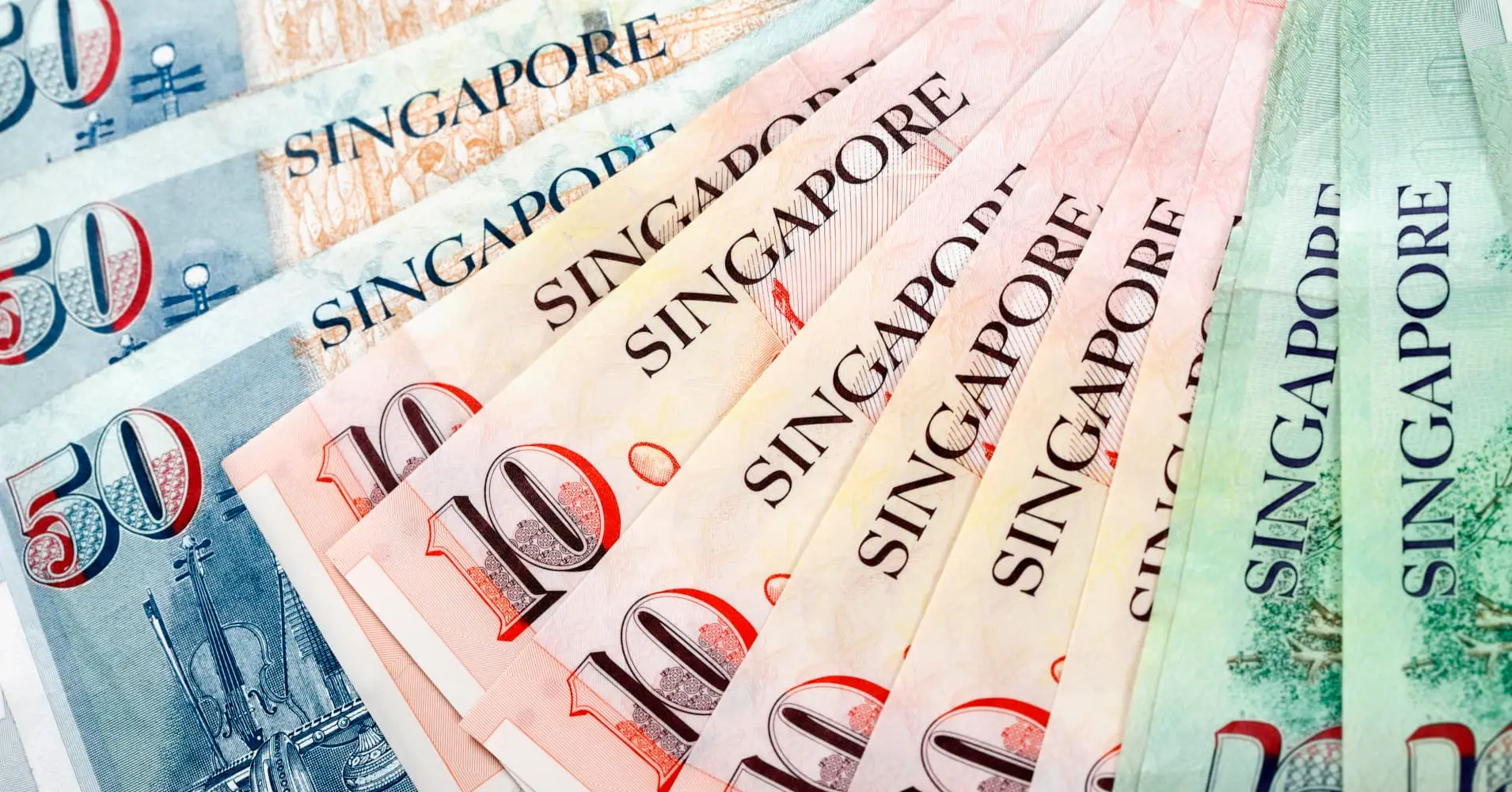
The U.S. dollar index climbed 1.42% to 104.79, reflecting broad strength against major currencies. Asian currencies bore the brunt of this rally. The Singapore dollar tumbled 1.6% to a three-month low, its worst performance since November 2011. Thailand’s baht slumped 1.3% to a two-month low.
Other regional currencies also suffered significant losses. The South Korean won dropped 1.5% to its lowest level since mid-April. The Indonesian rupiah fell 0.8% to a nearly three-month low. China’s yuan declined 0.8%, while the Philippine peso dropped 0.6%.
Traders rushed to buy dollars in anticipation of Trump’s agenda. His proposed policies include raising tariffs on Chinese imports to 60% and imposing a 10-20% tax on all foreign goods. These measures could stoke inflation and strengthen the dollar further.
Asian central banks responded swiftly to the market turmoil. Indonesia’s central bank announced readiness to intervene in currency, forward, and bond markets. Malaysia’s central bank also stated its preparedness to manage excessive volatility.
The election outcome raised concerns about potential disruptions to regional trade and investment flows. Trump’s previous term saw escalating trade tensions with China, which rippled across Asian economies. A return to such policies could threaten the export-driven growth models of many countries in the region.
Asian Currencies Plummet as Trump’s Victory Sparks Market Turmoil
Experts cautioned that the full impact of Trump’s policies remains to be seen. The extent of tariff increases and their implementation timeline could significantly influence market reactions. Asian policymakers now face the challenge of navigating this uncertain landscape while maintaining economic stability.
As the dust settles on the election, Asian markets brace for a period of adjustment. The coming weeks will likely see continued volatility as investors reassess their positions. Regional governments and central banks stand ready to intervene if needed to protect their economies from excessive disruption.
This article was produced by The Rio Times’ automated newsroom system. How we use AI · Report an error · Editorial responsibility: Matthias Camenzind, Editor-in-Chief