Asia Intelligence Brief – Thursday, August 6, 2026
Executive Summary
Asia Intelligence Brief for August 6: Korea's chipmakers dragged the Kospi down 4.58% and tripped a trading halt, Japan marked 81 years since Hiroshima.
Rio Times · Asia Intelligence Brief August 6
—Kospi slide Korea’s benchmark fell 301.88 points, or 4.58%, to close at 6,296.38, after touching 6,238.32 during the session.
—Chip losses SK Hynix closed down 10.37% at 1,495,000 won and Samsung Electronics fell 6.30% to 230,500 won on heavy foreign selling.
—Record surplus South Korea reported a record current account surplus of US$49.73 billion for June, driven by semiconductor exports.
—Hiroshima at 81 Prime Minister Sanae Takaichi attended her first peace ceremony as leader, with a minute’s silence at 8.15am.
—Food tax cut Japan’s cabinet approved lowering the tax on food from 8% to 1% for two years from April 2027, at a cost of about 10 trillion yen.
—Bangkok welcome Myanmar’s President Min Aung Hlaing, wanted by the International Criminal Court, was received with an honour guard in Thailand.
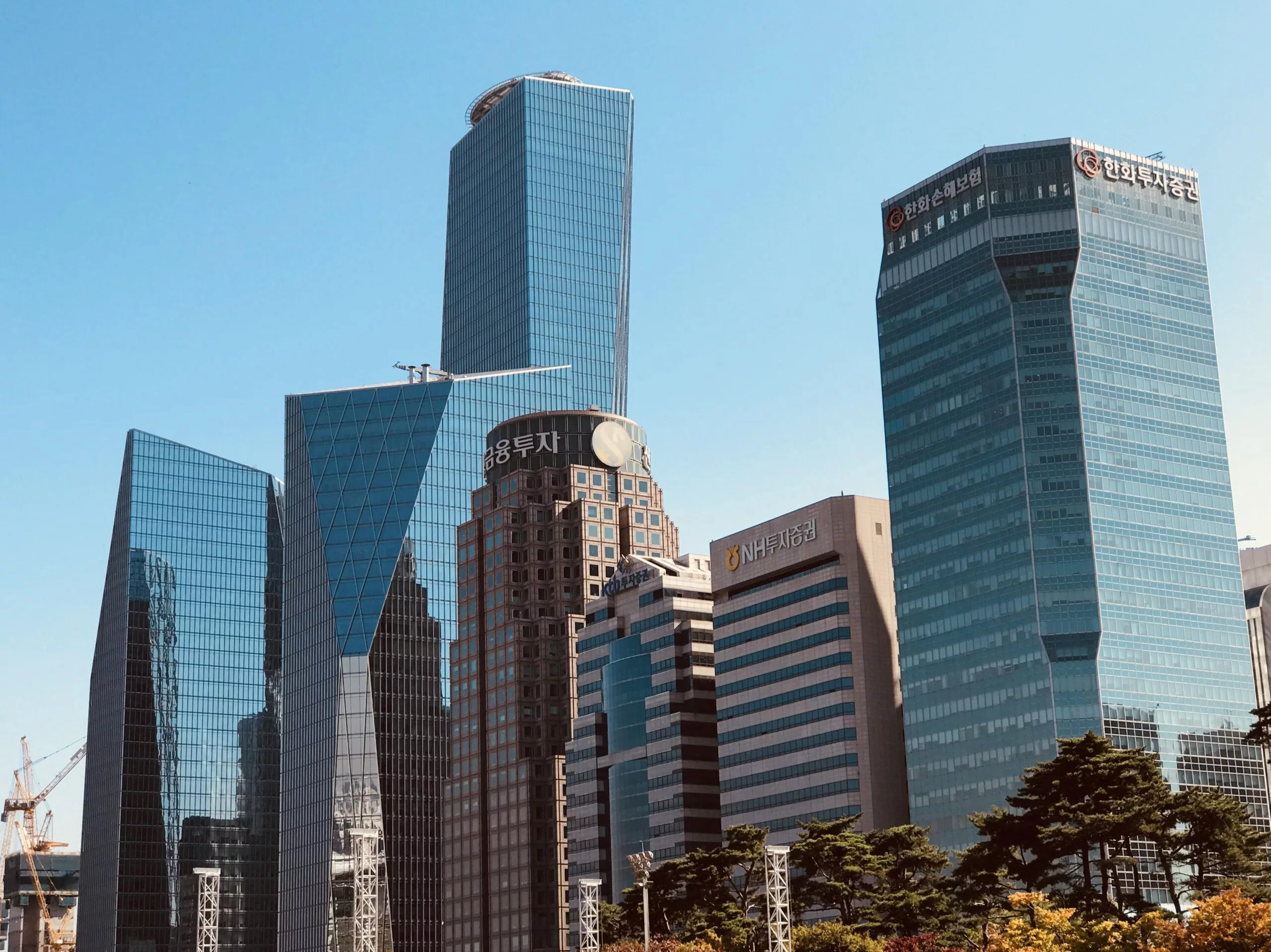
Around it, Japan weighed memory against money, and a general under indictment was walked down a red carpet in Bangkok.
South Korea – The Chip Crash That Stopped the Market
A five-minute halt on program selling
Korea’s Kospi fell 301.88 points, or 4.58%, to close at 6,296.38 on Thursday. It opened 1.81% lower, then slid far enough that the exchange halted program selling for five minutes at 10.18am.
At its worst the index was down 5.46%, touching 6,238.32, and 124 stocks hit new lows. The junior Kosdaq market, tellingly, finished slightly higher.
Rich abroad, fragile at home
SK Hynix closed down 10.37% at 1,495,000 won and Samsung Electronics fell 6.30% to 230,500 won, both under heavy foreign selling. Their parent and supplier stocks followed, with SK Square off 13.32%.
Yet the same country had just reported a record current account surplus of 49.73 billion dollars for June, built on those very chips. It is a nation earning more from the world than ever while its market shakes.
Japan – Eighty-One Years, and a Ten-Trillion-Yen Gamble
A minute’s silence, and a careful sentence
Hiroshima marked 81 years since the atomic bombing on Thursday, with a minute’s silence at 8.15am and a peace declaration from Mayor Kazumi Matsui warning that nuclear weapons are again being used as instruments of intimidation. It was Prime Minister Sanae Takaichi’s first ceremony as national leader.
How she handled Japan’s three non-nuclear principles is already contested. Japanese reporting recorded her affirming them, while Chinese state media called her notably vague, and both noted she immediately added that the security environment is growing severe.
A tax cut timed to land first
The evening before, at an unscheduled cabinet meeting, her government approved cutting the consumption tax on food and soft drinks from 8% to 1% for two years from April 2027. It would be Japan’s first such reduction since the tax began in 1989, at a cost of roughly 10 trillion yen.
The timing was deliberate, clearing the decision before the Hiroshima and Nagasaki anniversaries filled the calendar. Takaichi has promised a zero-based review of spending rather than new borrowing, without yet naming where the money comes from.
Myanmar and Thailand – A Red Carpet for an Indicted General
An honour guard in Bangkok
Myanmar’s President Min Aung Hlaing arrived in Bangkok on Thursday for a two-day official visit, his first to Thailand since seizing power in the 2021 coup. He was met by an honour guard and by Prime Minister Anutin Charnvirakul, and the two signed agreements on migrant workers, shared river water and space technology.
He was installed as president in April after elections that democracy monitors and Western governments dismissed as staged. He is under Western sanctions and wanted by the International Criminal Court for crimes against humanity.
Legitimacy is the real currency
His aim is readmission to the regional bloc that barred his government after it ignored a peace plan agreed in 2021. Thailand calls its approach calibrated re-engagement, and Anutin said the two countries were ready for a new chapter of economic cooperation.
Thailand has hard reasons to talk, sharing a 2,400-kilometre border, millions of refugees and a scam-centre problem it wants solved. Outside the gates, Myanmar nationals living in Thailand protested against the visit.
India – Steady Hands While Assam Drowns
The central bank waits for clarity
The Reserve Bank of India held its key rate at 5.25% on Wednesday and kept a neutral stance, with Governor Sanjay Malhotra describing the bank as neither dovish nor hawkish. It raised its growth forecast for next financial year to 6.7% and trimmed its inflation projection to 5%.
Malhotra said price pressures were coming from food and fuel rather than spreading through the economy, and expects inflation to peak in the October to December quarter. The bank also proposed opening property and infrastructure trusts to global investors through depository receipts.
A different emergency in the northeast
While Mumbai weighed rates, Assam counted losses, with the flood death toll reaching 94 and five people still missing. Officials said 2,459 villages across 25 districts were hit.
More than 1.17 million people have been affected. It is the gap that defines India right now, between a confident macro story and a monsoon that still overwhelms whole districts.
A country posting its largest ever surplus watched its own champions fall by a tenth in a session — the clearest sign yet that Asia’s markets are no longer trading on what its companies earn, but on what investors fear they might not earn next.
Japan and Korea – The Tail Now Wags the Dog
Tokyo follows Seoul down
Japan’s Nikkei 225 fell 617.18 points, or 0.93%, to close at 65,683.26, with memory maker Kioxia sliding 10.24%. Japanese analysts noted openly that Samsung and SK Hynix are now driving the swings in Tokyo.
That is a reversal of the old order, in which Japan’s market set the tone for its neighbours. Korea’s weighting in memory chips has quietly made Seoul the region’s lead market.
One trade, two countries
The linkage cuts both ways, since the same handful of memory names now carry both indexes up and down together. Diversification across the two markets buys investors less protection than it used to.
For the region it means a single American earnings report can move two economies. That is the price of leadership concentrated in one industry.
The Valuation Nerve – Beating Forecasts Is No Longer Enough
SoftBank triples the estimate and falls anyway
SoftBank Group reported quarterly net profit of 347.33 billion yen against an expected 165.83 billion. Its shares closed down 4.41% all the same.
The pattern repeated across the region on Thursday. Good numbers were not the currency investors were pricing.
What actually triggered the selling
The overnight trigger was the American memory maker SanDisk, whose revenue jumped 372% to 8.96 billion dollars and whose profit beat forecasts. Its guidance for the coming quarter came in below what the market wanted, and the shares fell after hours.
That is the nerve running under Asian markets now, since the question has shifted from results to expectations. Investors are no longer asking whether the artificial-intelligence boom is real, but whether it can keep accelerating.
The Bigger Picture
Thursday’s through-line is a region trading on nerves rather than numbers. Korea posted a record 49.73 billion dollar surplus for June and still watched its two chip champions fall by a tenth and a sixteenth, tripping a trading halt along the way.
Japan spent the same 24 hours holding two things at once, a minute’s silence for Hiroshima and a ten-trillion-yen bet that cheaper food will steady a squeezed public. The cabinet deliberately cleared the tax decision the night before, so that memory and money would not share a headline.
And in Bangkok a general under indictment was walked past an honour guard, because in this part of Asia legitimacy is now something that can be negotiated regionally. Around it all, Assam counted 94 dead and India’s central bank sat still.
Asia Intelligence Brief August 6: What We Are Watching
- Friday – Whether Seoul steadies or extends a week that has already swung from a 17.9% surge to a 4.6% fall.
- Friday – The second day of Min Aung Hlaing’s Thailand visit and any further agreements signed.
- This autumn – Japan’s extraordinary Diet session, where the food tax cut must survive its own ruling party.
- 9 August – The Nagasaki anniversary, and whether Takaichi restates the non-nuclear principles more plainly.
- October to December – The quarter in which India’s central bank expects inflation to peak.
- Ongoing – Assam’s flood toll, already at 94 dead with 1.17 million people affected.
Go Deeper
The full Asia Intelligence Dossier — the interactive risk dashboard and the six people who matter — is updated daily by the Rio Times Intelligence Desk.
More from the Rio Times Intelligence Desk on August 6: the Africa Intelligence Brief, the Europe Intelligence Brief and the USA & Canada Intelligence Brief. For how these stories developed, see the Asia Intelligence Brief for August 4 and the Asia Intelligence Brief for August 3.
The Big Picture
Asia Intelligence Dossier — the risk dashboard, the people who matter and the full working document
Frequently Asked Questions
Why did the Kospi fall so sharply on 6 August 2026?
Korea’s benchmark fell 301.88 points, or 4.58%, to close at 6,296.38, after an overnight drop in US semiconductor shares and a weak forward outlook from the American memory maker SanDisk soured sentiment on artificial-intelligence spending. SK Hynix closed down 10.37% at 1,495,000 won and Samsung Electronics fell 6.30% to 230,500 won under heavy foreign selling, and the exchange halted program selling for five minutes at 10.18am.
What has Japan decided about its consumption tax on food?
At an unscheduled cabinet meeting on the evening of 5 August, Prime Minister Sanae Takaichi’s government approved a bill lowering the consumption tax on food and non-alcoholic drinks from 8% to 1% for two years from April 2027, which would be Japan’s first cut since the tax was introduced in 1989. The measure is expected to cost about 10 trillion yen in lost revenue and must still pass an extraordinary session of parliament in the autumn.
Why is Myanmar’s Min Aung Hlaing visiting Thailand?
The Myanmar president, who led the 2021 coup and was installed as president in April after elections widely dismissed as staged, is seeking international legitimacy and readmission to the Association of Southeast Asian Nations, which barred his government after it failed to implement an agreed peace plan. He was received in Bangkok on 6 August with an honour guard by Prime Minister Anutin Charnvirakul, and the two governments signed agreements covering migrant workers, shared river water and space technology.
What did India’s central bank decide in August 2026?
The Reserve Bank of India’s Monetary Policy Committee, which met from 3 to 5 August, kept the repo rate unchanged at 5.25% and retained its neutral stance, with the next meeting scheduled for 5 to 7 October. It raised its growth forecast for the coming financial year to 6.7% from 6.6% and lowered its inflation projection to 5% from 5.1%, with Governor Sanjay Malhotra saying he wanted greater clarity before acting.
Sources: KED Global, Korea JoongAng Daily, Nikkei Asia, Al Jazeera, Business Standard
This article was produced by The Rio Times’ automated newsroom system. How we use AI · Report an error
LatAm Markets: Live Signals → — real-time movers, turnover leaders and FX across Latin America.