Argentina Renews China Currency Swap to Five-Year Term
Economy: Buenos Aires
Key Facts
—Deal. Argentina’s central bank, the BCRA, renewed its long-standing currency swap line with the People’s Bank of China (PBoC).
—Term. The renewal extends the swap’s maturity from three to five years, two years longer than previous accords, running past the 2027 general election.
—Size. The full swap line is worth RMB 130 billion (roughly US$18 billion); some outlets, including Bloomberg, valued it near US$19 billion.
—Activated funds. An activated tranche of RMB 35 billion (about US$5 billion), in place since early 2023, stays available for trade and financial-stability purposes.
—Context. The swap dates back to 2009; the BCRA said the longer term gives greater predictability without affecting gross reserves.
Argentina’s central bank has renewed its China currency swap and stretched the term to five years, securing a reserve backstop worth roughly US$18 billion through the country’s next election cycle.
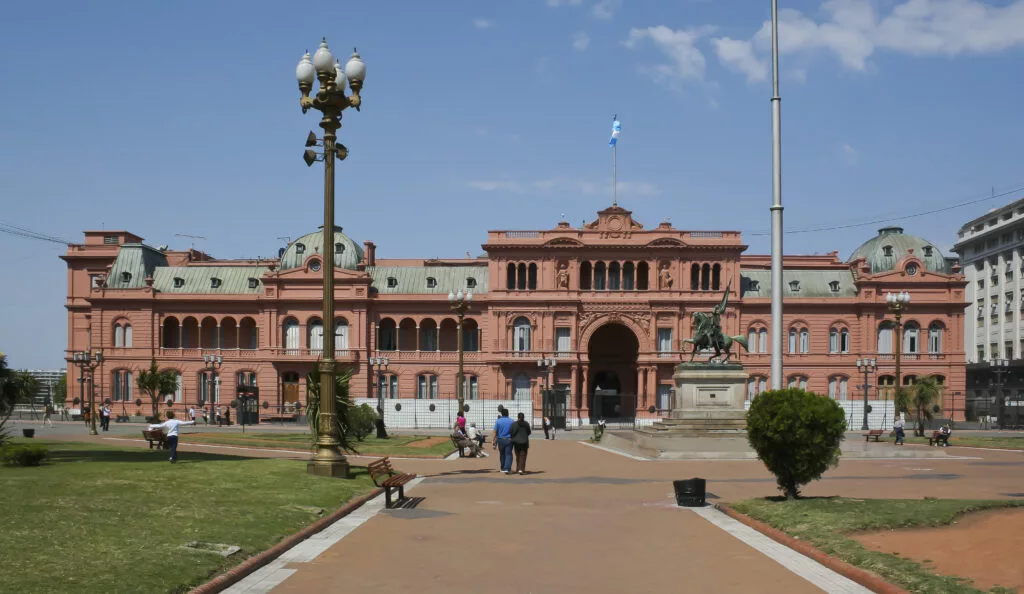
A Longer Lifeline From Beijing
The Banco Central de la República Argentina (BCRA) said on 5 August 2026 that it had renewed its bilateral currency swap with the People’s Bank of China, extending the arrangement’s term from three years to five. The bank framed the move as a way to give markets greater certainty about the tool’s continuity.
The full swap line is worth RMB 130 billion, or roughly US$18 billion; Bloomberg reported the figure as close to US$19 billion. A swap line lets each central bank exchange its currency for the other’s up to an agreed ceiling, giving Argentina access to Chinese yuan without spending its own scarce dollars.
The BCRA stressed that the renewal would not alter its gross reserves, because the swap remains an asset on the central bank’s balance sheet rather than a fresh disbursement.
What Actually Changed
The headline change is duration. Previous versions of the accord ran for three years and required periodic renegotiation; the new term runs for five, reducing the risk of a politically charged expiry.
An activated tranche of RMB 35 billion, worth about US$5 billion, remains in force. That portion has been usable since early 2023 to support trade settlement and financial stability, and unlike the wider ceiling it can be drawn on directly.
Argentine officials have gradually repaid what they drew from that tranche. According to figures cited in local media, the outstanding balance had fallen to around US$679 million by mid-January 2026, close to a 90% repayment of the funds that had been used.
Why the Swap Matters for Argentina
Argentina has spent years short of hard currency, cycling through IMF programmes and capital controls. The China swap has functioned as a quiet reserve buffer, padding the central bank’s headline numbers even when usable dollars were thin.
By locking in the line to five years, the government reduces one source of uncertainty ahead of the 2027 general election. A sudden loss of the swap could have dented confidence in the peso and the country’s reserve position.
For President Javier Milei’s administration, which has at times criticised aspects of the previous relationship with Beijing, keeping the swap in place signals pragmatism: the facility is seen as too useful to reserves to discard, whatever the broader geopolitical rhetoric.
China’s Wider Latin America Strategy
The swap is part of a network of currency lines the PBoC has extended across emerging markets, from Latin America to Africa and Asia. For Beijing, these deals promote the yuan’s international use and deepen commercial ties with resource-rich partners.
China is one of Argentina’s top trading partners and a major buyer of its soybeans, beef and lithium. The swap makes it easier for Argentine importers to settle Chinese purchases in yuan, easing pressure on the dollar market.
The renewal lands as several governments in the region weigh how far to integrate with Chinese finance while managing relationships with Washington and the IMF, a balancing act Buenos Aires has navigated repeatedly.
What to Watch Next
The immediate question is whether Argentina will seek to activate more of the swap or keep the current tranche as a standby buffer. Officials have signalled they prefer to preserve reserves rather than expand drawings.
Analysts will also watch how the renewal interacts with Argentina’s IMF commitments, since the Fund has at times pressed Buenos Aires to reduce its reliance on the Chinese line. The five-year horizon suggests neither side expects a quick exit.
For now, the extended swap removes a near-term deadline that had loomed over the central bank and buys the government time to rebuild dollar reserves through trade surpluses and investment.
Background: Braskem Bond Tender Rejected Amid $9.4B Debt Crisis.
More: Argentina news in English, every day from The Rio Times.
Frequently Asked Questions
What is the Argentina-China currency swap?
It is a bilateral agreement between Argentina’s central bank and the People’s Bank of China that lets each side exchange its currency for the other’s up to an agreed ceiling, giving Argentina access to Chinese yuan.
How large is the renewed swap and how long does it last?
The full line is worth RMB 130 billion, roughly US$18 billion, and the renewal extends its term from three years to five, running past Argentina’s 2027 election.
Does the swap add to Argentina’s reserves?
The central bank said the renewal does not change gross reserves; the swap stays a balance-sheet asset. An activated tranche of about US$5 billion can be drawn for trade and stability purposes.
Sources
Bloomberg · Central Banking · Infobae · La Nación · Ámbito
Connected Coverage
More Rio Times coverage of Argentina’s economy, reserves and central-bank policy.
Sources: BCRA; Bloomberg; Central Banking; Infobae; La Nación; Ámbito.
This article was produced by The Rio Times’ automated newsroom system. How we use AI · Report an error
In depth
LatAm Markets: Live Signals → — real-time movers, turnover leaders and FX across Latin America.
Read More from The Rio Times