São Paulo’s Anime Friends Closes Its Biggest Edition Ever at 230,000
Culture
Key Facts
—The record. The 2026 edition drew 230,000 visitors over four days, a new attendance high for the event.
—The dates. It ran July 2 to 5 at the Distrito Anhembi convention grounds in northern São Paulo.
—The impact. Organizers put the economic effect at around R$400m ($74m), across tourism, hotels, food and retail.
—The billing. It calls itself the largest Asian pop-culture festival in Latin America, now in its twenty-second year.
—Next year. Organizers have already confirmed the 2027 edition for July 1 to 4, again at the Anhembi.
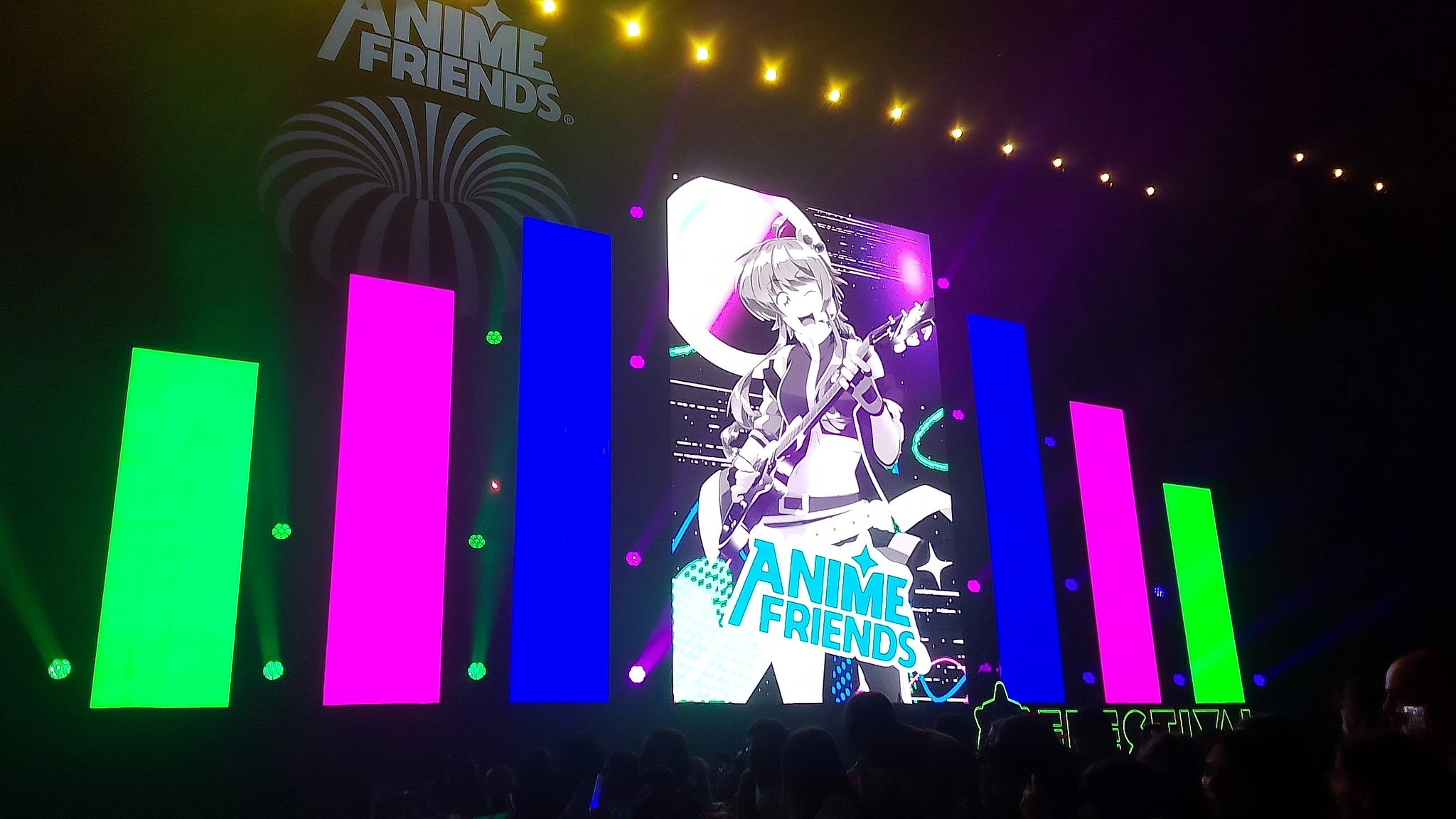
Anime Friends has closed its largest edition on record, drawing two hundred and thirty thousand people to São Paulo over four days. That points to a curious fact of global pop culture: the biggest Asian pop-culture festival in the Americas is Brazilian.
The 2026 event ran from July two to five at the Distrito Anhembi in the north of the city. Organizers reported the attendance record on closing and estimated the economic effect at around four hundred million reais.
Why Anime Friends matters beyond the cosplay
The headline figure is the crowd. But the more interesting number for a business reader is the estimated impact of roughly R$400m ($74m). Organizers say that spending spread across tourism, hotels, food service and retail in the city.
The festival has quietly become a case study in the economics of fandom. It began as a gathering for manga readers and anime viewers, but it has grown into a music-led event, and that shift is what drives the spending.
Live concerts justify higher ticket prices and longer stays. A single day out becomes a weekend that pays for hotel rooms, transport and meals, turning a cultural convention into a driver of mid-year tourism.
This year underlined that shift. The Japanese band Hanabie made its Brazilian debut with a mix of metal and hardcore. Organizers confirmed that a dedicated music festival strand will return next year, a sign of where the event’s commercial weight now sits.
The migration story behind the scale
Few places outside East Asia could sustain an event this size. The reason sits a few kilometers south of the Anhembi, in the Liberdade district long known as São Paulo’s Little Japan. Brazil is home to around two million people of Japanese descent.
That is the largest Japanese community anywhere outside Japan itself, according to Japanese foreign-ministry figures. More than a century of migration gave the country a deep, mainstream audience for Japanese culture rather than a niche one.
The cultural anchor is visible in the city itself. Liberdade’s lantern-lined streets, Japanese groceries and restaurants give the festival a hinterland that most host cities elsewhere in the region simply do not have.
This year’s program spread across six stages on a site of more than fifty-five thousand square meters. Several Japanese rock and pop acts played Brazil for the first time. Organizers also collected sixty tonnes of food donations for local charities over the four days.
What it signals for Brazil’s events market
The record edition lands as Brazilian cities lean harder into the so-called creative economy. They treat festivals and conventions as tools to fill hotels outside the summer peak. The Anhembi complex itself is being modernized with that market in mind.
That strategy has a clear read for anyone tracking Brazilian consumer trends. A crowd of this size pays for tickets, travel and merchandise in the middle of winter. That is exactly the kind of counter-seasonal demand cities have spent years trying to build.
For visitors and foreign residents, the appeal is accessibility. Opening-day entry was free with an advance pass and a kilo of donated food. General tickets started at around a hundred and fifteen reais, close to twenty dollars, well below comparable events in North America.
The logistics were built for scale too. Organizers ran free shuttle transport from a nearby metro station. That small detail matters when a quarter of a million people move through a single site over a long weekend.
Taken together, the numbers make a wider point about São Paulo. The city rarely markets itself abroad as a cultural destination. Yet it can host a pop-culture event that rivals the genre’s home markets, built on an audience decades in the making.
How big was Anime Friends 2026?
It drew two hundred and thirty thousand visitors over four days, a record for the event. Organizers estimated its economic impact at around four hundred million reais, roughly seventy-four million dollars. It ran from July two to five at the Distrito Anhembi in São Paulo.
Why is the biggest Asian pop-culture festival in the Americas in Brazil?
Brazil has the largest Japanese community outside Japan, around two million people, centered on São Paulo. That long migration history built a deep, mainstream local audience for Japanese culture that can sustain an event on this scale.
When is the next Anime Friends?
Organizers have confirmed the 2027 edition for July one to four, again at the Distrito Anhembi in São Paulo. They also announced the return of a dedicated music festival strand for next year.
Connected Coverage
Why the Americas’ Biggest Anime Festival Is Held in Brazil
Rio Creative Economy Summit Pumped $99m Into the City, Study Finds
More: Brazil news in English, every day from The Rio Times.
Frequently Asked Questions
How many people attended Anime Friends 2026 and what was the economic impact?
230,000 people attended over four days, a new record for the event. Organizers estimated the economic impact at around R$400 million (about $74 million), spread across tourism, hotels, food, and retail.
Why is the biggest Asian pop-culture festival in the Americas held in Brazil?
Brazil is home to around two million people of Japanese descent, the largest Japanese community outside Japan itself. That long history of migration created a deep, mainstream audience for Japanese culture rather than a niche one.
When and where is the next Anime Friends?
The 2027 edition is confirmed for July 1 to 4 at the Distrito Anhembi in northern São Paulo. Organizers have also announced that a dedicated music festival strand will return for that edition.
This article was produced by The Rio Times’ automated newsroom system. How we use AI · Report an error · Editorial responsibility: Matthias Camenzind, Editor-in-Chief