Angola plans to launch its first offshore oil production in the Kwanza Basin by 2028.
The Minister of Mineral Resources, Petroleum, and Gas, Diamantino Azevedo, announced this milestone. The project boasts estimated reserves of 400 million barrels.
At the investment decision ceremony for the Kaminho Block 20 project, Azevedo shared details.
The development of the Cameia and Golfinho fields will start production in 2028 and 2030, respectively. This ambitious project aims to transform Angola’s oil industry.
Block 20 lies in the deep waters of the Kwanza Basin, 170 kilometers south of Luanda and 100 kilometers from the coast.
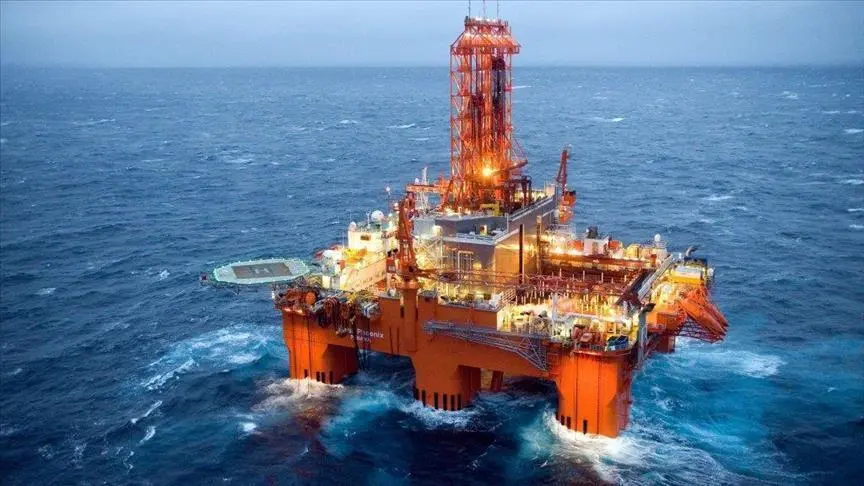
The project’s oil reserves could sustain national oil production and generate additional revenue.
Azevedo stated, “This project opens a new oil province in the Kwanza Basin offshore.” The significant reserves could sustain national production and increase state revenue.
The facilities will minimize greenhouse gas emissions by reinjecting associated gas into reservoirs, eliminating routine flaring.
However, this approach marks a step toward decarbonizing oil operations, setting a new standard for future projects.
The Angolan oil and gas concessionaire signed the final investment decision with France’s Total.
The deal covers two fields in Block 20/11 of the Kwanza Basin, with a six-billion-dollar investment (5.52 billion euros).
Additionally, the development of Cameia and Golfinho fields involves converting a Very Large Crude Carrier (VLCC).
This conversion will create a Floating Production, Storage, and Offloading (FPSO) unit linked to a subsea production network. This technology ensures efficient extraction and storage.
Why does this matter? Angola’s economy heavily relies on oil. This project could significantly boost the country’s oil output and economic stability.
Angola’s Oil Expansion
Global energy markets also stand to benefit from Angola’s increased production. The world needs more energy sources, and Angola’s Kwanza Basin offers a promising supply.
In addition, the project highlights Angola’s commitment to sustainable energy practices.
By minimizing its environmental impact, Angola sets an example for other oil-producing nations. This initiative could lead to cleaner, more efficient oil production methods globally.
In conclusion, Angola’s offshore oil project in the Kwanza Basin represents a major step forward.
The country’s focus on sustainability, significant investment, and technological innovation sets a new industry standard.
In short, this project promises economic benefits for Angola and a more sustainable future for global oil production.
More: Angola news in English, every day from The Rio Times.
This article was produced by The Rio Times’ automated newsroom system. How we use AI · Report an error
Part of our ongoing coverage
Africa: The New Scramble — the great-power contest over the continent.
Read More from The Rio Times