Africa’s Milestone: Securing a Third Seat on the IMF Executive Board
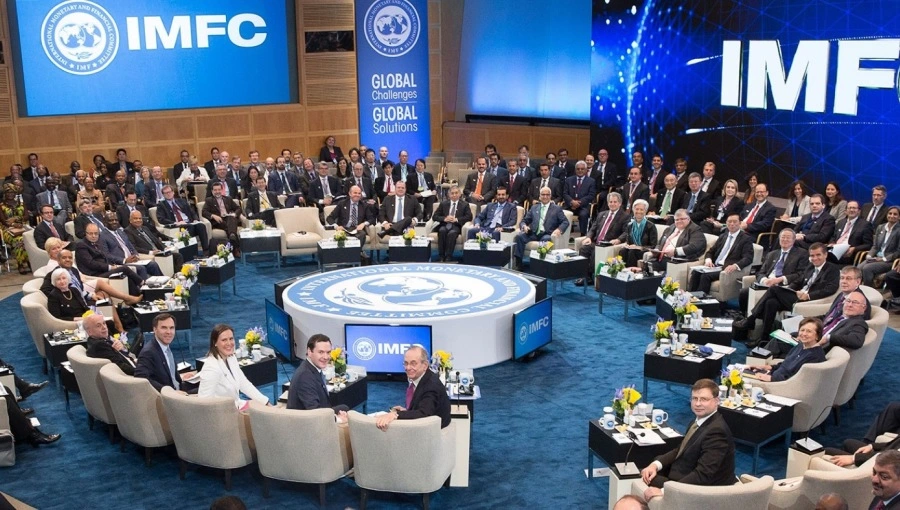
In a landmark move in October 2023, Africa was granted an additional seat on the International Monetary Fund’s (IMF) Executive Board.
This elevation enhances Africa’s influence in global economic decision-making. This decision, endorsed by the IMF’s Board of Governors, culminates in prolonged advocacy for increased representation.
It introduces a 25th seat specifically for sub-Saharan Africa, starting November 1, 2024.
The expansion from 24 to 25 members on the board highlights the IMF’s commitment to inclusivity. It also recognizes sub-Saharan Africa’s escalating significance in the global economy.
Kristalina Georgieva, the Managing Director of the IMF, emphasized that this step aligns the board’s composition with the region’s growing economic stature.
This development coincides with an economic upturn in sub-Saharan Africa, as reported by the IMF’s Regional Economic Outlook.
The region’s economy will grow from 3.4% in 2023 to 4.0% by 2025, with significant improvements in public debt management and inflation reduction.
The re-engagement with international markets, marked by new issuances of eurobonds, underscores a rebound to financial normalcy.
Africa’s Growing Economic and Financial Influence
Strategically, sub-Saharan Africa is on the cusp of a transformative phase, especially with the global transition to clean energy.
The region is home to 30% of the world’s critical minerals, essential for this shift. Capitalizing on these resources could boost the regional GDP by over 12% by 2050.
Processing these minerals domestically can maximize economic benefits and attract further investment.
The granting of a third seat for Africa on the IMF Executive Board symbolizes a significant stride towards equitable representation in international finance.
In addition, this move is expected to amplify Africa’s voice within the IMF. It ensures that the unique economic challenges and prospects of the region are well represented.
Moreover, it aligns with broader global efforts to reform financial institutions to better serve developing areas and address pressing issues like poverty and climate change.
Ultimately, this advancement is not merely a procedural change but a pivotal moment for Africa. It highlights the continent’s growing stature and critical role in shaping the future of global economic governance.
This article was produced by The Rio Times’ automated newsroom system. How we use AI · Report an error · Editorial responsibility: Matthias Camenzind, Editor-in-Chief
Part of our ongoing coverage
Africa: The New Scramble — the great-power contest over the continent.