Africa Intelligence Brief — Thursday, June 4, 2026
Executive Summary
Africa Intelligence Brief for Thursday: Kenya's President Ruto and South Africa's President Ramaphosa hold talks, sign agreements and open a business forum, with both sides aiming to upgrade ties to a strategic partnership; Africa's 2026 growth holds firm at 4.2% even as South Africa lags.
Kenya’s President Ruto and South Africa’s President Ramaphosa held formal talks today and oversaw the signing of new agreements. They also opened a business forum aimed at boosting trade between two of Africa’s biggest economies.
Both sides want to upgrade their relationship to a full “strategic partnership.” It comes as Africa’s overall growth holds firm for 2026, even though South Africa’s own economy lags well behind.
Today’s Africa Intelligence Brief covers the continent’s finance, markets, economy, and politics. We pulled it together from English, French, Arabic, Portuguese, Swahili, and Afrikaans sources.
South Africa and Kenya — The Main Event
A Day of Talks and Signings
President Ramaphosa received President Ruto at the Union Buildings in Tshwane this morning for formal talks. The two leaders then oversaw the signing of new agreements and a joint media briefing at 12:30.
The discussions covered trade, investment, regional integration, and peace and security. A business forum followed in the afternoon at Gallagher Estate in Midrand, Johannesburg.
Toward a “Strategic Partnership”
South Africa says it wants to upgrade the relationship to a formal “strategic partnership.” The two countries have already signed 28 agreements over the years, in fields from agriculture to defence to tourism.
This visit added new areas, including cooperation on vaccines and health security. Around 60 South African companies already operate in Kenya.
South Africa and Kenya — Why the Deals Matter
Two Economic Heavyweights
South Africa hosts many of Africa’s largest companies, while Kenya is the main business centre for East and Central Africa. Linking them more closely is the whole point of the visit.
The new agreements span agriculture, transport, water, education, and tourism. The aim is to turn warm relations into real, two-way business.
Trade as a Shield
Both leaders see closer African trade as a way to weather a turbulent global economy. Spreading business across the continent reduces reliance on distant markets.
It echoes a theme running through this week’s news. From Nairobi to Pretoria, Africa‘s big economies are leaning on each other.
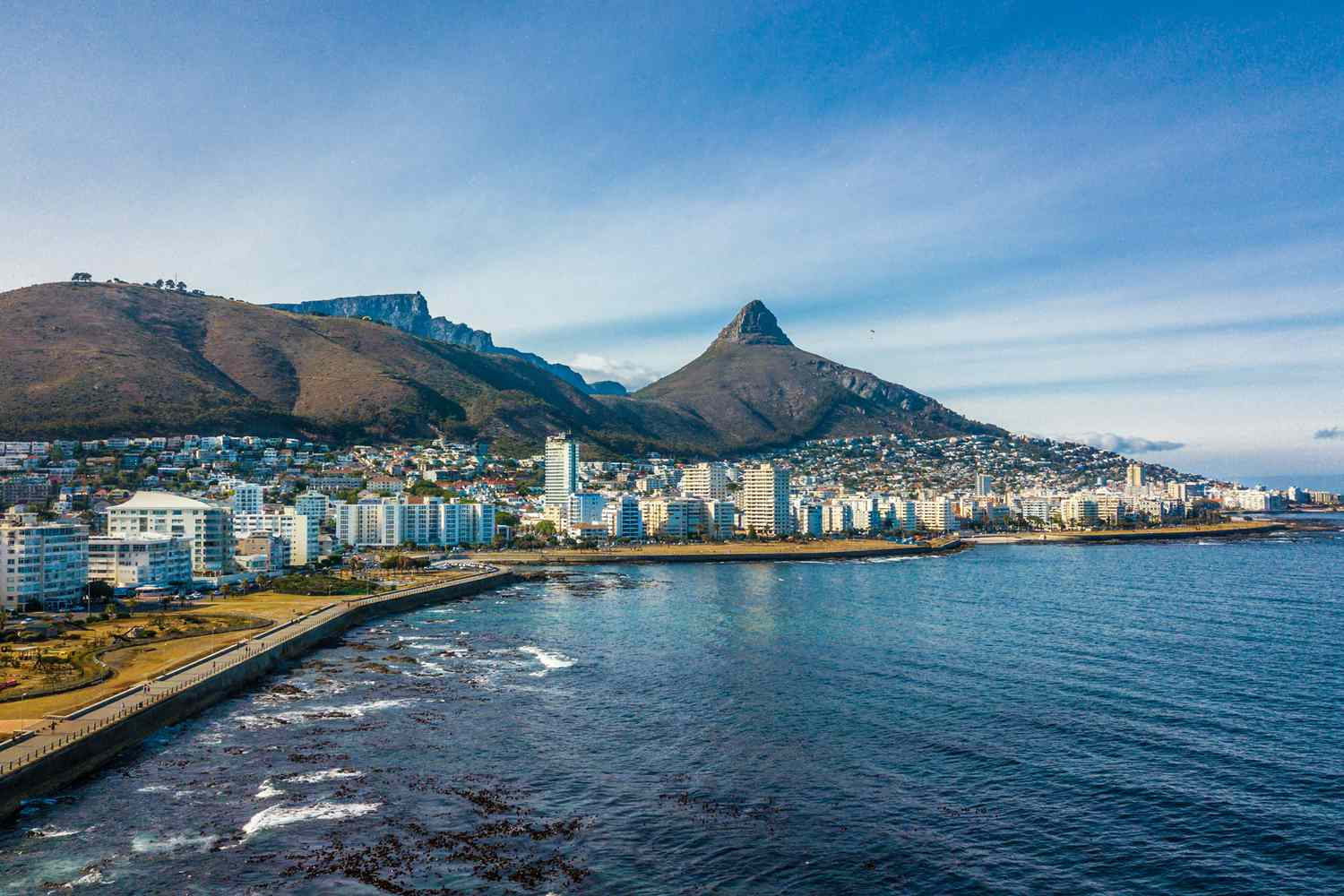
Continental — Growth Holds, but Unevenly
Africa Outpaces the World
Africa’s economies are projected to grow about 4.2% in 2026, ahead of the global pace of around 3.1%. Ethiopia leads the continent, with the IMF forecasting growth of 9.2%.
Nigeria is seen growing about 4.1% this year. The picture overall is one of resilience despite global headwinds.
South Africa Is the Laggard
South Africa stands out for the wrong reason, with growth seen at just 1.0% in 2026. That is far below the continental average.
Lifting that number is part of why Ramaphosa is courting investment so actively. Hosting Ruto and chasing deals abroad are two sides of the same effort.
Nigeria and Kenya — Currency Lessons
Nigeria’s Steadier Naira
Nigeria’s naira has grown more stable, helped by oil receipts and money sent home by Nigerians living abroad. But stability is not the same as strength, with inflation still high at around 15.7%.
Nigeria is now Africa’s third-largest economy after currency devaluations cut its dollar value. Analysts expect its central bank to start cutting interest rates soon.
Kenya’s Trade-Off
Kenya stabilised its shilling using very high interest rates. The cost was slower spending at home, a trade-off many African economies face.
It is a reminder that a calm currency can come at a price. For Kenya, the prize is the credibility that draws in foreign investment.
Markets — The Concentration Problem
Four Countries Dominate
Africa’s stock markets are worth about $1.2 trillion, but most of the activity sits in just four countries. They are South Africa, Egypt, Nigeria, and Morocco.
Spreading that activity wider is a long-running goal. A proposed African Financing Stability Mechanism aims to ease borrowing pressure and help countries borrow more cheaply to repay old debt.
The Rand Holds Its Nerve
For investors, the worry about South Africa’s rand has shifted from collapse to simply timing trades well. Its strong financial institutions help it ride out global swings.
That relative calm is a useful backdrop as Ramaphosa hosts Ruto. A steady currency makes South Africa an easier place to pitch for investment.
The Bigger Picture — A Transformation Map
Who Is Best Placed
The economies best set to gain are those with diverse manufacturing: Morocco, South Africa, Egypt, Tunisia, and increasingly Ethiopia and Côte d’Ivoire. Logistics hubs like Djibouti, Kenya, Tanzania, and Togo also stand to benefit.
Egypt adds its own edge, controlling the Suez Canal through which about 12% of global trade passes. That gives it outsized economic weight in North Africa.
What It All Adds Up To
The week’s story is one of Africa’s big economies trying to build their own momentum. Trade deals, financing reforms, and steadier currencies are all part of that push.
The Ruto visit is the clearest symbol of it. Whether the deals deliver real business is the test that follows.
The Read
President Ramaphosa received President Ruto at the Union Buildings today for talks, agreement signings, and a business forum, with both sides aiming to upgrade ties to a full “strategic partnership.” The two countries have signed 28 agreements over the years, and around 60 South African companies already operate in Kenya.
Africa’s growth holds firm at about 4.2% for 2026, ahead of the global pace, with Ethiopia leading at 9.2% and Nigeria near 4.1%. South Africa is the laggard at just 1.0%, which helps explain why Ramaphosa is chasing investment so actively.
Nigeria’s naira is steadier on oil and diaspora inflows though inflation stays near 15.7%, while Kenya stabilised its shilling at the cost of slower growth. African stock markets are worth about $1.2 trillion but remain concentrated in South Africa, Egypt, Nigeria, and Morocco.
What to Watch
- Today · Ruto-Ramaphosa talks, agreement signings and media briefing
- Today · South Africa-Kenya Business Forum at Gallagher Estate
- Fri Jun 5 · Ruto returns to Nairobi as the state visit ends
- Ongoing · Whether the new agreements turn into real trade
- Ongoing · South Africa’s push to lift growth above 1%
- Ongoing · Nigeria’s expected move toward interest-rate cuts
- Ongoing · The African Financing Stability Mechanism and market reform
- Jun 11 · Benin government borrowing sale (run by the regional central bank)
This article was produced by The Rio Times’ automated newsroom system. How we use AI · Report an error · Editorial responsibility: Matthias Camenzind, Editor-in-Chief
LatAm Markets: Live Signals → — real-time movers, turnover leaders and FX across Latin America.