Afreximbank Lends $200M to Nigerian Firm for Algeria Oilfield
Africa · Energy
Key Facts
—The facility. Afreximbank approved a US$200 million revolving facility for Nigeria’s Shoreline and its partners.
—The project. It backs a US$980 million EPC contract for Algeria’s Hassi Bir Rekaiz (HBR) oilfield, Phase 2a.
—The output. A new processing facility aims to lift field output from about 13,000 to 50,000–60,000 barrels a day.
—The owners. The contractor, Arkad, is majority-owned by Nigeria’s Shoreline Group; the field is a Sonatrach–PTTEP–CEPSA venture.
—The payoff. The work is projected to create roughly 6,000 jobs and deepen regional supply chains.
Africa’s own export bank is putting US$200 million behind a Nigerian-owned contractor to help expand a major Algerian oilfield — a rare piece of South–South energy finance that ties West African capital to North African crude.
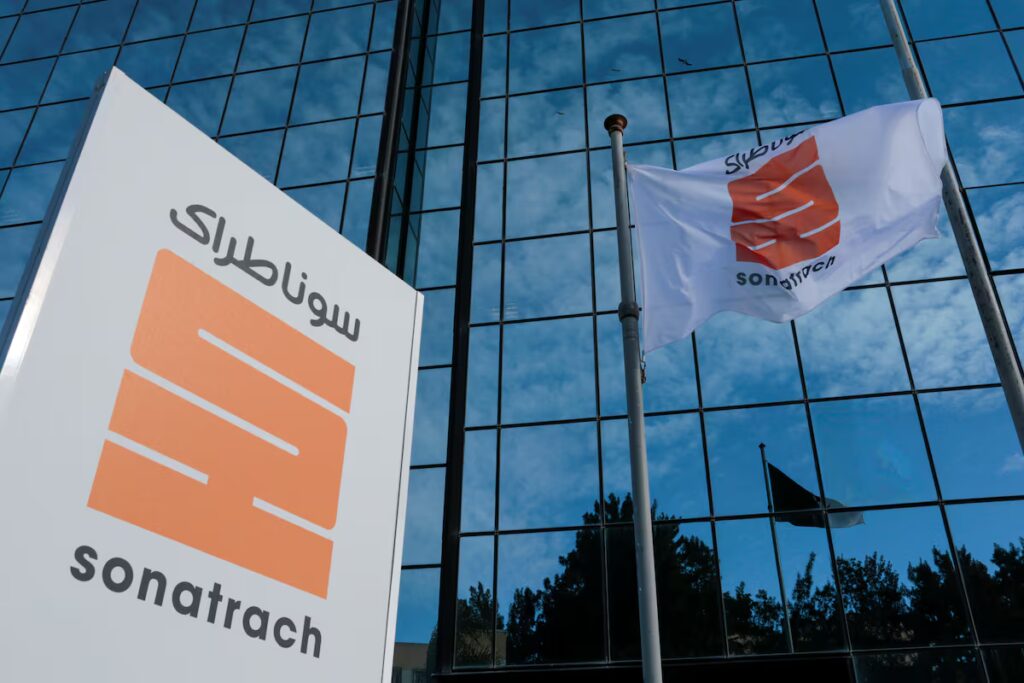
The deal in one read
The African Export-Import Bank (Afreximbank) has approved a US$200 million global revolving, dual-tranche facility for Shoreline Power Company and its co-borrowers, including Arkad, an Italian engineering firm majority-owned by Nigeria’s Shoreline Group. The money underwrites Arkad’s share of one of Algeria’s largest current upstream contracts.
That contract — worth about US$980 million — covers the engineering, procurement and construction (EPC) of Phase 2a of the Hassi Bir Rekaiz (HBR) field development in the Algerian Sahara. Arkad holds a 44% share of the work.
A revolving facility works like a corporate credit card with a set limit. The borrower can draw funds, repay them, and draw again during the life of the loan.
For a contractor managing a multi-year construction project, this structure provides flexible working capital to cover equipment purchases, payroll, and subcontractor invoices as costs ebb and flow, rather than delivering a single lump sum upfront.
The dual-tranche design means the loan is split into two parts, likely with different currencies, interest rates, or repayment timelines. This lets the borrower match the financing more precisely to the rhythm of the project’s expenses, which in a cross-border North African energy job often involve both hard currency needs for imported machinery and local-currency costs for labour and domestic materials.
Who is behind the field
HBR is operated by Groupement Hassi Bir Rekaiz, a joint venture between Algeria’s state oil company Sonatrach, Thailand’s PTTEP and Spain’s CEPSA. Phase 2a centres on a new central processing facility designed to raise the field’s output from roughly 13,000 barrels per day to between 50,000 and 60,000 — a step-change for a single asset.
For an outsider, the structure is the story: a pan-African lender, a Nigerian-controlled contractor and Algerian state crude, with Thai and Spanish partners in the mix. It is the kind of cross-border plumbing that rarely makes headlines but decides where Africa’s energy money actually flows.
Algeria sits among Africa’s top three oil producers and has long relied on Sonatrach to steer its hydrocarbons sector. The Hassi Bir Rekaiz field lies in the Berkine Basin, a proven Saharan petroleum system that has attracted foreign operators for decades.
Bringing in partners like Thailand’s PTTEP and Spain’s CEPSA spreads the technical and financial load, while a Nigerian-owned contractor winning a major piece of the construction work signals a gradual shift in who builds the continent’s energy hardware.
Why Afreximbank is doing it
Afreximbank has made a strategic push to finance African firms competing for contracts that once went almost entirely to Western or Gulf players. Backing Arkad lets a Nigerian-owned group take a large slice of Algerian oil infrastructure, keeping engineering fees and supply orders within the continent.
The bank estimates the project will create about 6,000 jobs and stimulate local supply chains. For investors tracking Africa’s energy build-out, the facility is a marker of how development finance is being used to hand African contractors a foothold in the continent’s biggest projects.
This fits a broader pattern. For years, African oil-producing nations exported crude only to import refined fuels at a premium, and they often hired foreign firms to build the infrastructure in between.
Afreximbank’s mandate is explicitly to help break that cycle by financing African companies that can execute the work themselves, keeping more of the value chain at home. The Shoreline-Arkad facility is a concrete example of that ambition moving from policy papers to a signed loan agreement.
What to watch
The near-term test is delivery: EPC contracts of this size live or die on schedule and cost control, and a revolving facility gives the contractor working-capital room but not a guarantee. Beyond HBR, the deal signals appetite for more African-financed, African-executed energy work — the model Afreximbank wants to scale.
One open question is whether Arkad can manage the logistical complexity of a Saharan construction site without the deep balance sheet of a traditional Western oil-services giant. Another is whether the Algerian regulatory environment, which has historically been cautious with foreign contractors, will remain smooth for a Nigerian-owned firm operating through an Italian subsidiary.
A third worth tracking is whether other African development finance institutions follow Afreximbank’s lead and begin earmarking more facilities specifically for African-led EPC bids, rather than simply backing the state-owned oil companies that award the contracts.
More: Nigeria news in English, every day from The Rio Times.
Frequently Asked Questions
What did Afreximbank approve?
A US$200 million revolving, dual-tranche facility for Shoreline Power and partners, including the contractor Arkad, to support work on Algeria’s Hassi Bir Rekaiz oilfield.
How much will the oilfield produce?
Phase 2a’s new processing facility is designed to raise output from about 13,000 barrels a day to between 50,000 and 60,000.
Why does the deal matter beyond Algeria?
It channels African development finance to a Nigerian-owned contractor working on North African crude, an example of South–South investment keeping value on the continent.
Connected Coverage
Sources: African Export-Import Bank (Afreximbank); World Oil; The Africa Report.
This article was produced by The Rio Times’ automated newsroom system. How we use AI · Report an error
LatAm Markets: Live Signals → — real-time movers, turnover leaders and FX across Latin America.
Read More from The Rio Times