A Delicate Dance: U.S.–China Trade Standoff Enters A Risky New Phase
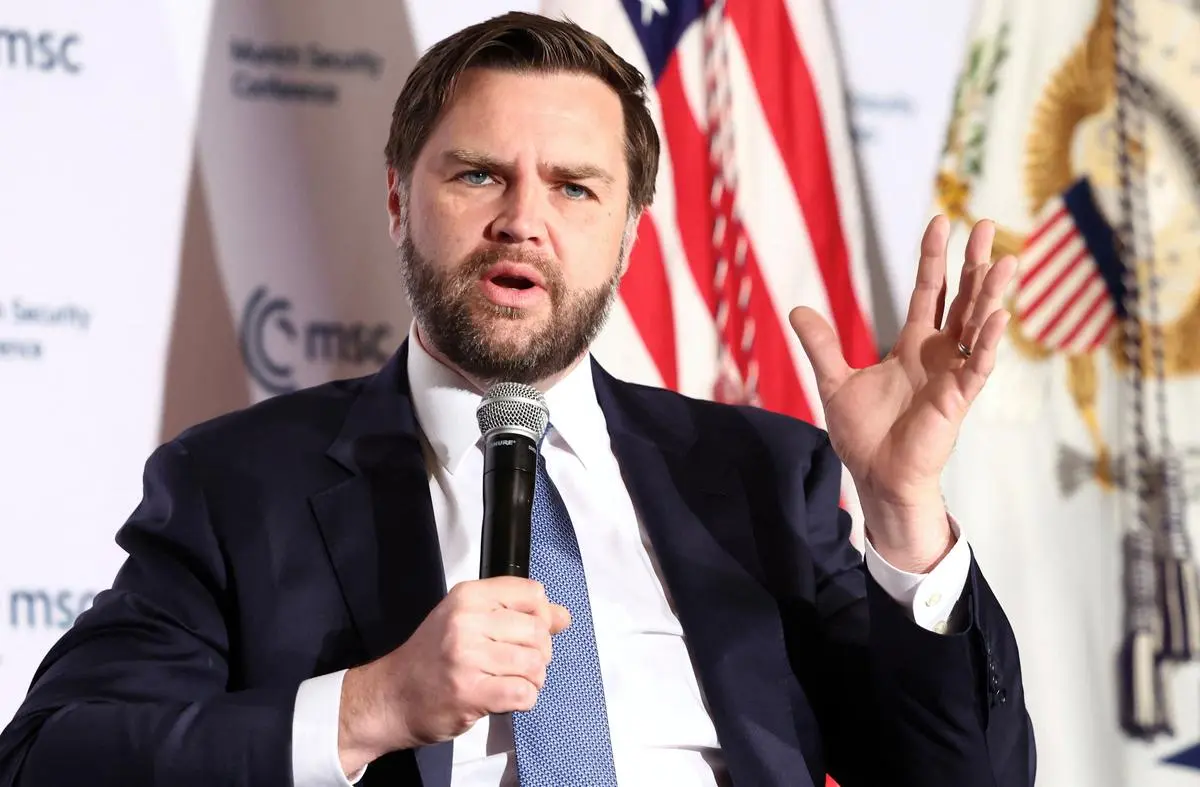
Vice President JD Vance says the United States holds “far more cards” than China in the latest trade flare-up, urging Beijing to “choose the path of reason.”
His comments on Sunday, October 12, followed President Donald Trump’s threat on Friday, October 10, to impose a 100% tariff on Chinese goods from November 1 and tighten U.S. export rules on certain software.
The moves were framed as a response to China’s newly expanded licensing controls on rare-earth materials and related technologies. Beijing’s Commerce Ministry pushed back, telling Washington to stop threatening higher tariffs and return to talks.
It emphasized that its measures are export controls, not blanket bans. The rare-earth issue is the pressure point: China is the key source and processor of several heavy rare earths used in electric vehicles, smartphones, missiles, and aircraft components.
Even small licensing delays can ripple through factories far from Asia. Markets felt the shock first. Risk assets slid on Friday after the tariff threat, and energy prices retreated.
By Sunday night, sentiment steadied as the White House signaled talks were still possible before the November 1 deadline. A face-to-face between Trump and China’s Xi Jinping later this month remains uncertain.
Behind the story is a fragile truce. After a tense spring in which both sides briefly spiked tariffs, Washington and Beijing pulled back to roughly 30% U.S. duties on Chinese imports and about 10% Chinese duties on U.S. goods.
The new 100% threat would blow past that arrangement and test whether China’s export licensing becomes a real choke point—or a bargaining chip.
Why this matters, in plain terms: tariffs raise costs for importers and, eventually, consumers; licensing rules can slow or strand parts that keep assembly lines running. That combination can unsettle investment plans, hiring, and prices worldwide.
For globally connected economies—including Brazil’s automakers, aerospace suppliers, and electronics distributors—the next two weeks will help decide whether this standoff cools into a managed compromise or hardens into a renewed trade war with real costs and real delays.
This article was produced by The Rio Times’ automated newsroom system. How we use AI · Report an error
Read More from The Rio Times