Colombia · Emergency
Key Facts
- Magnitude: 7.4 earthquake struck near San José del Palmar, Chocó, at 07:34 local time on 10 August.
- Death toll: 289 confirmed dead as of 16 August, down from 294 after cross-checks.
- Missing: 143 people remain missing, with search teams winding down.
- Affected: 185,016 people affected across 450 municipalities in 15 departments.
- Homes: 26,945 destroyed and 127,557 damaged.
- Private aid: Gilinski family donates COP 150 billion (~US$48 million) for rebuilding in Cali.
Rescuers wind down the search as Colombia’s 7.4-magnitude quake claims 289 lives — with 143 still missing and reconstruction efforts gaining momentum.
The Colombia earthquake death toll stands at 289, according to the latest UNGRD update on 16 August, a slight revision from earlier figures after cross-checks with the Fiscalía and Medicina Legal. Over 185,000 people are affected across 15 departments, with 143 still missing.
The 7.4-magnitude quake struck near San José del Palmar in Chocó on 10 August, devastating parts of Cali, Pereira, and the Eje Cafetero. Search-and-rescue operations are winding down as the country shifts focus to sheltering the displaced and rebuilding.
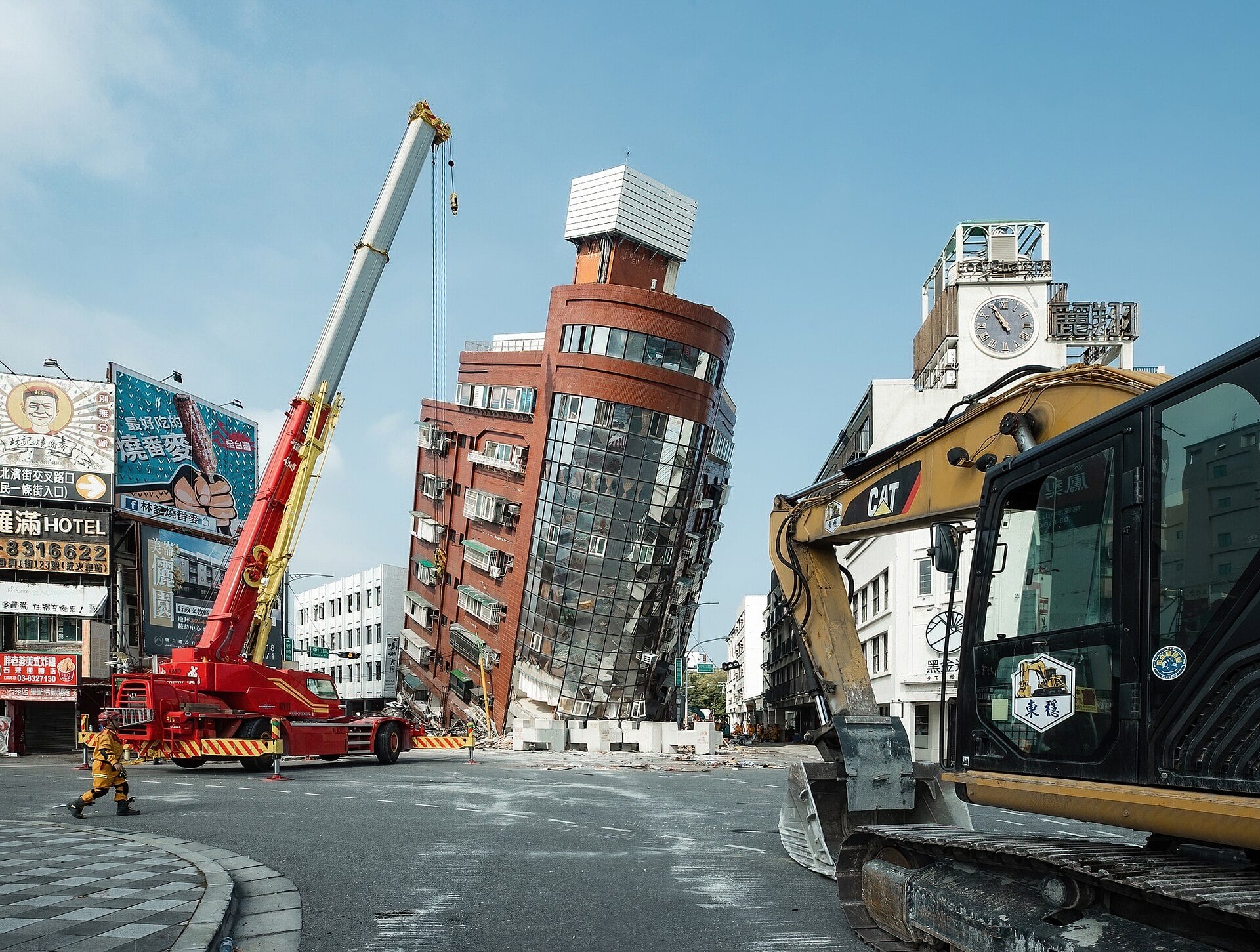
The quake’s impact
The earthquake hit at 07:34 local time on Monday 10 August, with an epicenter 5 kilometers south of San José del Palmar at a depth of about 110 kilometers. The violent shaking caused buildings to collapse across several departments, with Cali and the Eje Cafetero suffering the worst damage.
According to UNGRD, 289 people have died, 4,187 are injured, and 143 are missing. Officials revised the death toll down from 294 after reconciling records with the Fiscalía, Medicina Legal, and rescue agencies, though some international reports still cite the earlier figure.
Infrastructure damage is staggering: 26,945 homes destroyed and 127,557 damaged, leaving thousands of families displaced. The quake also affected 285 health centers, 2,838 educational facilities, and 3,782 community centers, disrupting essential services for vulnerable communities.
Additionally, 66 buildings collapsed across the affected departments, adding to the structural toll. The damage disrupted essential services for vulnerable communities.
Rescue and relief efforts
Rescue teams are working around the clock, but operations are winding down as hopes of finding survivors fade. The government’s “Fondo Milagro” emergency fund, created under the Economic Emergency declaration, is channeling resources to the hardest-hit areas, including rent subsidies for those who lost their homes.
By the latest official tally, rescuers had pulled hundreds of people alive from the debris — 354 in the days after the quake. Teams from across the country converged on Cali, Pereira and the Eje Cafetero, where the collapses were most severe.
On 15 August, Medellín hosted a benefit concert, “Colombia, Medellín Te Quiere,” at the Centro de Eventos La Macarena, raising COP 6 billion (~US$1.9 million) and 31 tonnes of food and hygiene aid. The event featured 25 artists and was backed by Mayor Federico Gutiérrez.
Officials are now focusing on providing shelter and psychosocial support for displaced families. The UNGRD is coordinating with local governments to ensure aid reaches remote villages in Chocó and Valle del Cauca.
Remarkably, a 3-year-old girl was pulled alive from the rubble in Cali well beyond the critical 72-hour survival window. Her rescue offered a rare moment of hope amid the devastation, even as Reuters reported the broader aid effort expanding nearly a week on.
The death toll may still change as debris removal progresses and more bodies are recovered.
Private sector response
The business community has mobilized quickly to support reconstruction. The Gilinski family, led by one of Colombia’s richest men, Jaime Gilinski, announced a COP 150 billion (~US$48 million) donation on 16 August to rebuild hospitals and schools in Cali, his hometown.
President Abelardo de la Espriella announced the pledge, which underscores the private sector’s commitment to recovery. Overall, businesses have raised more than COP 150 billion (~US$48 million) for reconstruction efforts, providing critical capital for rebuilding.
This private funding will complement government programs, including the Fondo Milagro and rent subsidies. The scale of donations signals confidence in the country’s resilience and long-term recovery prospects.
In addition to the Gilinski donation, small and medium enterprises are contributing through in-kind aid and volunteer efforts. The collective response highlights a national solidarity that could accelerate rebuilding.
What it means for investors
For investors and expats in Latin America, this earthquake underscores the region’s seismic risk, but also its resilience. Colombia’s government has declared an economic emergency, creating a framework to manage reconstruction and stabilize affected regions.
Crucially, Colombia has asked the US to suspend 12.5% tariffs to aid recovery, a move that could support trade relations. Washington’s response is pending, but such a suspension would ease financial pressures on the rebuilding process.
Ports reported no major damage, ensuring logistics remain operational—vital for exports and imports. This resilience protects supply chains and maintains investor confidence in Colombia’s economic stability.
Cali, a major economic hub, is set for significant rebuilding, which could create opportunities in construction, engineering, and related sectors. The influx of private donations signals confidence in the country’s recovery trajectory.
Looking ahead
The UNGRD continues to update its figures as search-and-rescue operations conclude. The death toll may still change as teams reach more collapsed structures, but recovery is now the priority.
The earlier Saturday 15 August balance had cited 14,493 homes destroyed and 81,506 damaged, before the Sunday reconciliation revised those numbers upward. Authorities are focused on providing shelter and medical care for the 185,000 affected people, while planning for long-term reconstruction.
The path to recovery will be challenging, but unified public and private efforts offer hope for a swifter comeback.
Frequently Asked Questions
What was the magnitude of the Colombia earthquake?
The earthquake had a magnitude of 7.4, according to the USGS, striking near San José del Palmar in Chocó department on 10 August 2026.
How many people died in the Colombia earthquake?
As of 16 August, the UNGRD reports 289 deaths, though earlier international reports cited up to 294. The toll may change as rescue efforts continue.
How can I help the victims of the Colombia earthquake?
Donations can be made through the government’s Fondo Milagro or to recognized NGOs. The business sector has also raised significant funds, with the Gilinski family donating COP 150 billion (~US$48 million).
Was there any damage to Colombia’s ports?
No major damage was reported at key port facilities, according to authorities, allowing logistics to continue without major disruptions.
Connected Coverage
Karol G and Miguel Bosé Headline a Bogotá Solidarity Concert for Quake Victims
Colombia Earthquake Reconstruction Faces a Funding Gap as the Toll Hits 281
Ecopetrol Moves to Keep Colombia’s Lights On as El Niño Squeezes the Grid
Sources: Reuters – Search teams comb rubble in Colombia nearly a week after quake; France24 español – En directo, Colombia mantiene labores de búsqueda; EFE – Colombia: damnificados terremoto informe UNGRD muertos; Presidencia de Colombia – Para enfrentar la tragedia por el terremoto; Infobae/EFE – Familia más rica de Colombia dona 48 millones de dólares; Caracol – 6 mil millones y 31 toneladas de ayudas dejó el superconcierto; Alcaldía de Medellín – Colombia, Medellín Te Quiere; USGS – M7.4 San José del Palmar; Washington Post – Colombia earthquake, tariffs request
This article was produced by The Rio Times’ automated newsroom system. How we use AI · Report an error
Read More from The Rio Times