Colombia’s Inflation Hits Two-Year High of 6.14% Despite 12% Interest Rate
Economy · Colombia
Key Facts
—The reading. Colombia’s annual inflation reached 6.14% in June, a two-year high and above every analyst forecast.
—The rate. The figure landed just over a week after the central bank raised its benchmark interest rate to 12%.
—The hike. Banco de la República lifted the rate by 75 basis points to 12% on June 30, in a majority vote.
—The driver. The bank tied rising inflation expectations to a large minimum-wage increase decreed for 2026.
—The wage. President Gustavo Petro decreed a 23.7% rise, lifting the monthly minimum to about 2 million pesos (roughly US$495).
Colombia is fighting an inflation problem that its central bank had already moved to contain. Annual price growth hit a two-year high of 6.14% in June, just over a week after policymakers raised the benchmark rate to 12%.
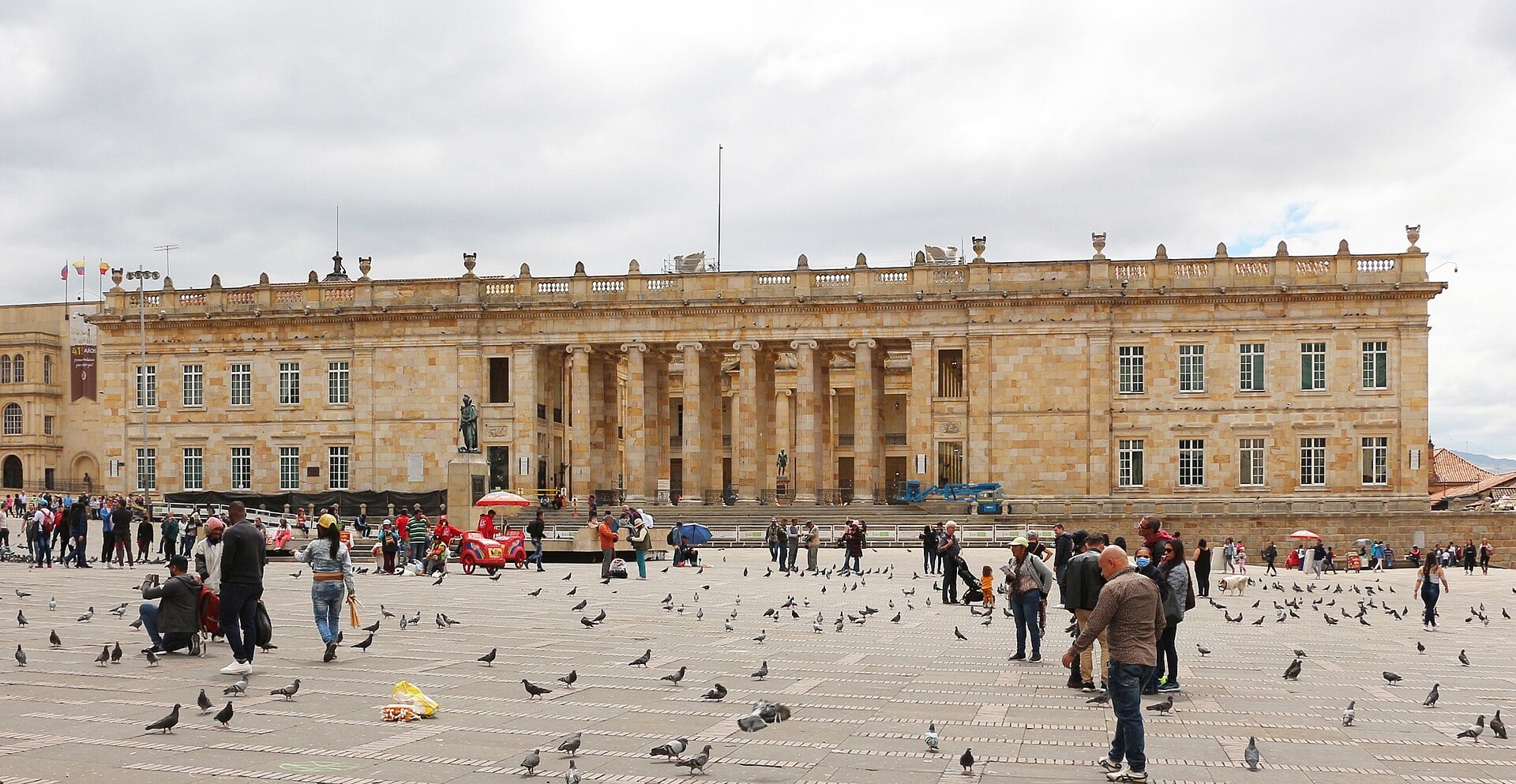
Inflation runs hot
Colombia’s annual inflation accelerated to 6.14% in June, its highest level in about two years and above the top of analysts’ forecasts. The reading pushed the indicator well beyond the 6% mark that several projections had not expected until later in the year.
The result kept inflation far above the central bank’s 3% target. It also complicated the outlook for a monetary authority that has been trying to anchor expectations amid political pressure over interest rates.
For a foreign reader, it helps to understand that Colombia’s central bank, like many around the world, uses an inflation-targeting framework. That means it publicly commits to a specific number—in this case 3%—and adjusts its main interest rate to steer the economy toward it.
When inflation runs persistently above target, the bank typically raises rates to make borrowing more expensive, which should cool spending and ease upward pressure on prices.
The central bank’s response
On June 30, the board of Banco de la República voted by majority to raise the benchmark interest rate by 75 basis points to 12%. The decision bucked the easing trend seen across much of Latin America this year, where several central banks have been cutting rates.
The bank cited inflation expectations that had drifted away from target. Higher rates are intended to cool demand and credit, but they also raise borrowing costs for households and businesses across the economy.
A basis point is simply one-hundredth of a percentage point, so a 75-basis-point move equals a 0.75 percentage point increase. In a region where several peers have been able to pause or reverse rate hikes, Colombia’s move stands out and signals that its inflation battle is far from over.
Why prices are rising
Policymakers linked the deterioration in expectations to a steep increase in the minimum wage. President Gustavo Petro decreed a 23.7% rise for 2026, lifting the monthly floor to about 2 million pesos, or roughly US$495.
The bank called it the largest such increase since 1997, reaching around 2.4 million workers. Sharp wage rises can feed into prices across services and goods, especially where labour is a large share of business costs.
This dynamic is sometimes called a wage-price spiral: when wages jump, businesses often pass those higher labour costs on to consumers through steeper prices, which in turn can prompt calls for even higher wages. The central bank’s concern is that a one-off decree can set off a chain reaction that makes inflation harder to tame.
What it means for residents and investors
For households, the combination of high inflation and a 12% policy rate means both rising prices and costlier loans. Mortgages, consumer credit and business financing all become more expensive as the bank holds a restrictive stance.
For foreign investors and expatriates, a 12% benchmark rate can support the peso and local fixed-income yields, but it signals an economy still wrestling with price stability. The path of the currency will hinge on whether inflation turns lower in the months ahead.
In plain terms, higher local yields can attract foreign capital seeking better returns, which tends to strengthen the peso. But that same strength can make Colombian exports less competitive, adding another layer of complexity for policymakers trying to balance growth and stability.
A politically charged backdrop
The clash between the government’s wage policy and the central bank’s inflation mandate has become a defining economic tension in Colombia. President Petro has publicly pressed for lower rates, while the bank has prioritised bringing inflation back to target.
This tension is not unique to Colombia, but it is particularly sharp right now. Central banks are typically granted independence precisely so they can make unpopular decisions—like raising rates—without short-term political interference.
When a government pushes in the opposite direction, markets and rating agencies watch closely to gauge whether that independence is being respected.
The road ahead
Attention now shifts to whether June marks a peak or the start of a longer climb. Further above-target readings would strengthen the case for the bank to keep rates high for longer.
For everyday Colombians and the foreigners who live and invest there, the immediate takeaway is a costlier, more uncertain year. How quickly inflation cools will shape growth, the currency and the cost of living into 2027.
What to watch next is whether the central bank’s own surveys show inflation expectations creeping further away from the 3% target, and whether the government signals any willingness to adjust its wage policy if price pressures persist. Another open question is how the broader Latin American rate-cutting cycle will interact with Colombia’s outlier stance—and whether that divergence narrows or widens in the second half of the year.
Frequently Asked Questions
How high is Colombia’s inflation?
Annual inflation reached 6.14% in June 2026, a two-year high and above every analyst forecast, versus the central bank’s 3% target.
What is Colombia’s interest rate?
Banco de la República raised its benchmark rate by 75 basis points to 12% on June 30, 2026.
Why is inflation rising?
The central bank linked worsening inflation expectations to a 23.7% minimum-wage increase decreed for 2026, which lifted the monthly floor to about 2 million pesos (roughly US$495).
Sources
Connected Coverage
Cali’s Oiga Mire Lea Literature Festival Returns for a 12th Edition in Colombia
Bogotá’s Afrodiáspora Festival Brings Three Nights of African and Caribbean Music
Sources: Banco de la República; President Gustavo Petro.
This article was produced by The Rio Times’ automated newsroom system. How we use AI · Report an error
In depth
Read More from The Rio Times