Argentina · Energy
Key Facts
—Increase range YPF raised fuel prices by an average of 3.5%, with reports framing the adjustment between 3.5% and 4.5% depending on the product and station.
—Effective date The new pump prices took effect on 1 July 2026 across Argentina.
—Drivers cited YPF attributed the hike to international crude prices, the peso exchange rate, taxes, and biofuel-related input costs.
—Price outlook YPF President Horacio Marín indicated prices are not expected to fall soon, as the company avoids passing through short-term Brent fluctuations immediately.
—Pump context Argentine retail fuel was already trading above AR$2,000 per liter (~US$1.52) in July 2026, making even a mid-single-digit increase highly visible to consumers.
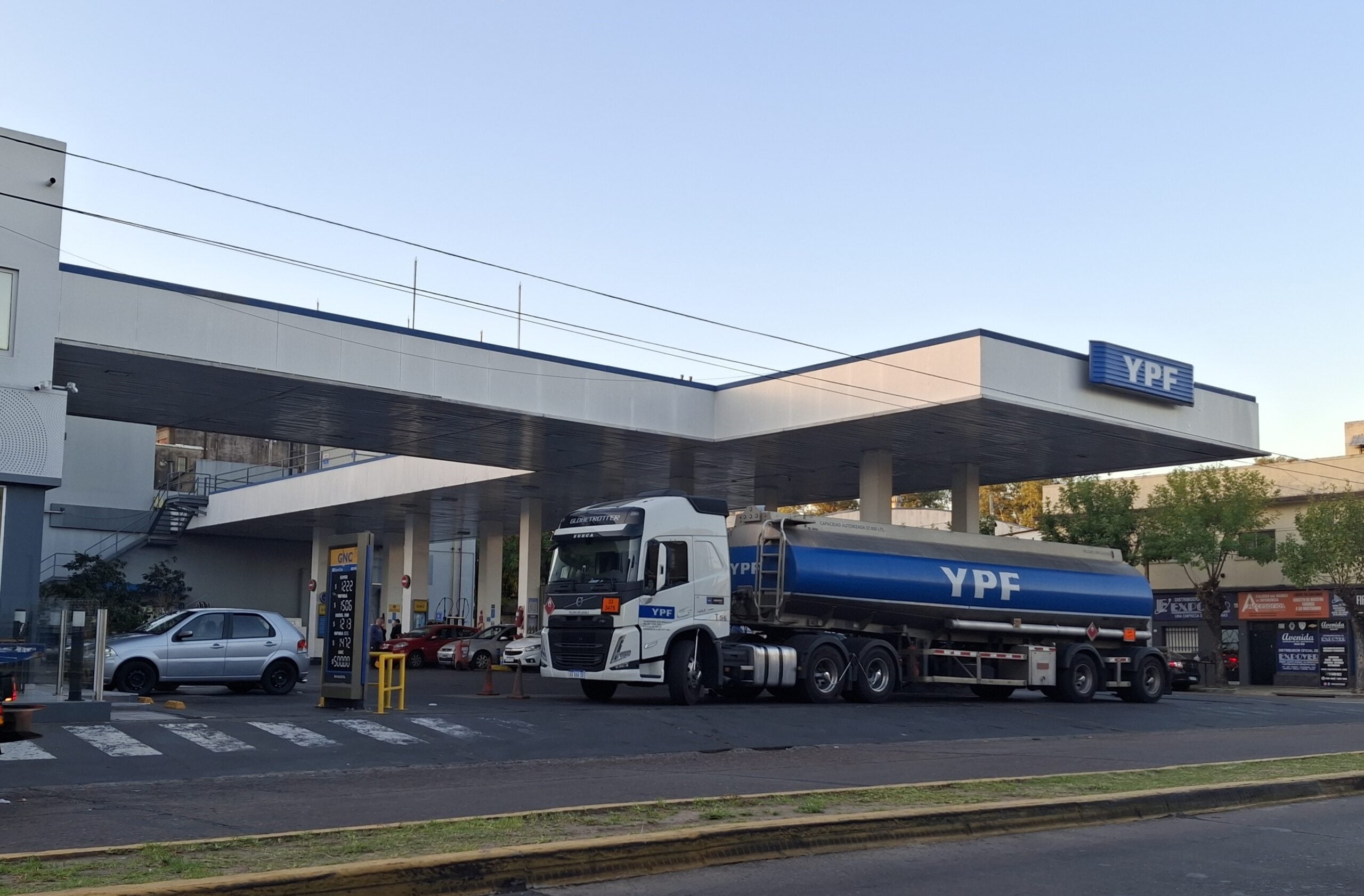
Argentina’s state-backed oil company YPF implemented a YPF fuel price hike of roughly 3.5% to 4.5% on 1 July 2026, pushing pump prices higher for motorists already paying more than AR$2,000 per liter (~US$1.52). The adjustment, which the company linked to international crude oil prices and the peso’s exchange rate, adds fresh pressure to President Javier Milei’s ambitious goal of driving monthly inflation below 1%.
What the YPF Fuel Price Hike Means at the Pump
YPF, Argentina’s largest oil and gas producer controlled by the state, confirmed an average increase of 3.5% across its fuel products. Industry reports and local media coverage, however, framed the adjustment as ranging between 3.5% and 4.5% depending on the specific fuel grade and service station location.
The increase pushed retail prices further above the AR$2,000 per liter mark (~US$1.52). For foreign residents and investors tracking household costs in Argentina, the move signals that energy expenses continue to climb even as the Milei administration pursues a strict market-oriented stabilization program.
The adjustment follows a pattern of periodic increases as YPF aligns domestic pump prices with international benchmarks. The company stated the hike reflected movements in crude oil, the peso-to-dollar exchange rate, tax obligations, and the cost of biofuel inputs required for blending.
Why YPF Is Raising Prices Now
YPF President Horacio Marín explained that the company does not immediately transfer short-term Brent crude fluctuations to consumers during its stabilization window. This means that while global oil prices may swing, YPF’s local pricing strategy aims for a gradual alignment rather than sharp volatility.
Marín also cautioned that prices are not expected to fall soon. The statement suggests that even if international crude prices soften, Argentine motorists should not anticipate relief at the pump in the near term.
The company explicitly cited four cost drivers: international crude oil prices, the peso exchange rate, tax adjustments, and biofuel-related expenses. For an international audience, the peso factor is critical. The local currency has faced sustained depreciation, trading at roughly AR$1,320 per US dollar, which directly inflates the peso-denominated cost of imported energy inputs.
Live Company IntelligenceYPF Sociedad Anonima — the full investor dossier
Wall Street view
Valuation & profitability
Price & risk
$32.3252-wk high
$57.87
Revenue trend · 6y
Ownership
Dividend
Inflation Context Under President Milei
The YPF fuel price hike lands at a delicate moment for President Javier Milei’s economic program. Reuters reported that rising fuel costs are testing his free-market gamble, with energy inflation complicating the government’s push to bring monthly consumer price increases below 1%.
Milei, a libertarian economist who took office promising to dismantle price controls and slash public spending, has staked his credibility on taming Argentina’s chronic inflation. Fuel prices represent a politically sensitive category because they ripple through logistics, food delivery, and public transportation costs.
The Reuters analysis noted that the 1% monthly inflation target was becoming harder to reach. For expats and investors, this metric matters: a failure to break below that psychological threshold could delay the confidence needed for sustained foreign direct investment and portfolio inflows.
How Argentina Compares on Fuel Costs
With pump prices now exceeding AR$2,000 per liter (~US$1.52), Argentina sits in a complex position regionally. While still below many European retail prices in dollar terms, the local cost is high relative to average household incomes when measured in pesos.
For foreign visitors and expats earning in US dollars or euros (EUR/USD 1.14), the price at the pump remains manageable. However, for Argentine consumers, the steady climb in fuel costs erodes purchasing power that is already squeezed by broader inflation.
The government has allowed refiners like YPF greater freedom to adjust prices as part of Milei’s deregulatory push. This contrasts with previous administrations that often intervened to cap fuel costs ahead of elections or during periods of social unrest.
What Comes Next for Fuel and Inflation
Looking ahead, YPF’s pricing strategy will depend heavily on the trajectory of Brent crude and the peso’s exchange rate. If the peso continues to weaken against the US dollar, further adjustments are likely even if global oil prices remain stable.
Marín’s commitment to not passing through short-term Brent spikes provides a limited buffer, but it does not eliminate the structural pressure from a depreciating currency. International investors watching Argentina’s energy sector should monitor the spread between local pump prices and import parity as a gauge of future margin pressure.
For the Milei administration, the fuel price trajectory represents a real-world test of its market principles. Allowing price adjustments supports fiscal and external balance but risks public discontent if inflation fails to decelerate as promised.
Frequently Asked Questions
How much did YPF raise fuel prices in July 2026?
YPF raised fuel prices by an average of 3.5% on 1 July 2026, with reports indicating a range of 3.5% to 4.5% depending on the product and service station.
Why did YPF increase fuel prices?
YPF cited international crude oil prices, the peso-to-dollar exchange rate, tax adjustments, and biofuel-related input costs as the main drivers behind the increase.
Will fuel prices fall soon in Argentina?
According to YPF President Horacio Marín, prices are not expected to fall soon. The company does not immediately pass through short-term Brent crude fluctuations, meaning relief at the pump is unlikely in the near term.
Connected Coverage
Sources: YPF; YPF President Horacio Marín.
This article was produced by The Rio Times’ automated newsroom system. How we use AI · Report an error · Editorial responsibility: Matthias Camenzind, Editor-in-Chief