Yen Gains Ground as Japan’s Rates Eclipse Switzerland’s
The Bank of Japan delivers fresh insights into the yen’s trajectory, revealing its policy rate now tops Switzerland’s. Japan holds steady at 0.5%, while the Swiss National Bank cuts its rate to 0.25% this week.
This shift, the first since September 2022, eases the yen’s slide, trading at 149 to the dollar today. Years of near-zero rates made the yen a magnet for carry trades, where investors borrow cheaply to chase higher yields elsewhere.
Last July, yen shorts hit 184,223 contracts, the most since 2007, pushing the currency to 161.90 against the dollar. Now, with Japan’s rate edging up, that appeal fades fast.
Governor Kazuo Ueda signals more hikes if inflation and growth hold, despite real rates staying low.
Meanwhile, Switzerland’s fifth straight cut reflects cooling inflation, flipping the carry trade script. Experts predict fewer yen-based trades, with the Swiss franc stepping into the spotlight.
This change ripples through markets, hinting at Japan shedding its ultra-low rate era after decades of deflation battles. The yen’s weakness once fueled exports but squeezed households with pricier imports.
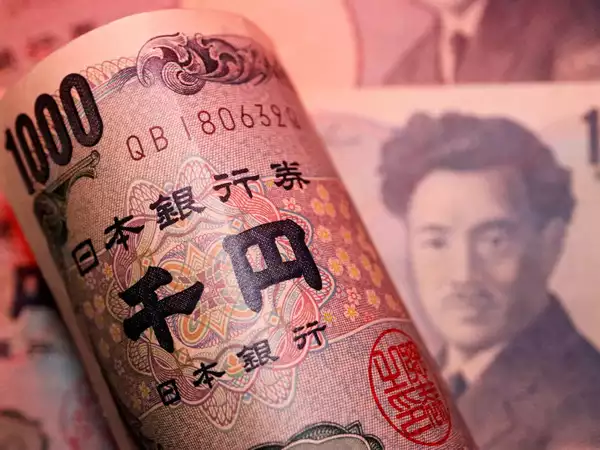
A stronger currency could ease those costs, though gradual hikes aim to avoid jolting Japan’s debt-heavy economy. Investors eye the shift warily, as carry trade profits shrink with tighter rate gaps.
Japan’s Stock Market and Currency Outlook
Japan’s stock market, rocked by a 12% drop last August, may stabilize if yen volatility calms. Higher yields on Japan’s bonds, now near 1%, draw cautious interest after years of neglect.
Globally, the U.S.-Japan rate spread, still around 4%, supports yen gains if American rates dip by mid-2025. Currency strategists see a 10-15% rise possible over two years, reshaping investment flows.
However, rapid shifts could spark turbulence, echoing past carry trade unwinds. Japan’s slow climb from negative rates, started in 2024, contrasts with Switzerland’s easing stance.
This divergence tests markets, as traders pivot from yen to franc for cheap borrowing. For Japan, it’s a step toward normalcy, but the pace matters—too fast risks unsettling its fragile recovery.
Business minds watch closely, weighing a stronger yen against export challenges and rising bond appeal. The yen’s quiet resurgence signals a new chapter, balancing opportunity with uncertainty. As Japan nudges rates higher, the world adjusts to a currency no longer dirt-cheap to borrow.
This article was produced by The Rio Times’ automated newsroom system. How we use AI · Report an error
Read More from The Rio Times