World Cup 2026 Security: Mexico Deploys 99,000-Strong Force
MEXICO · WORLD CUP
Key Facts
—The plan. Mexico’s World Cup 2026 security operation, Plan Kukulkán, deploys more than 99,000 personnel nationwide.
—The forces. Around 20,000 armed-forces troops per venue deployment, over 20 federal agencies, 2,100-plus military vehicles and anti-explosives dog units.
—Mexico City. 11,219 officers and 1,000-plus vehicles, with 7,708 assigned to the stadium for the June 11 opener.
—The Zócalo. The capital’s FIFA Fan Festival expects about 60,000 visitors a day and gets 3,411 dedicated officers.
—The west and north. Zapopan anchors a roughly 14,000-strong joint force around Estadio Guadalajara, while Monterrey runs its tech-heavy “Escudo” program.
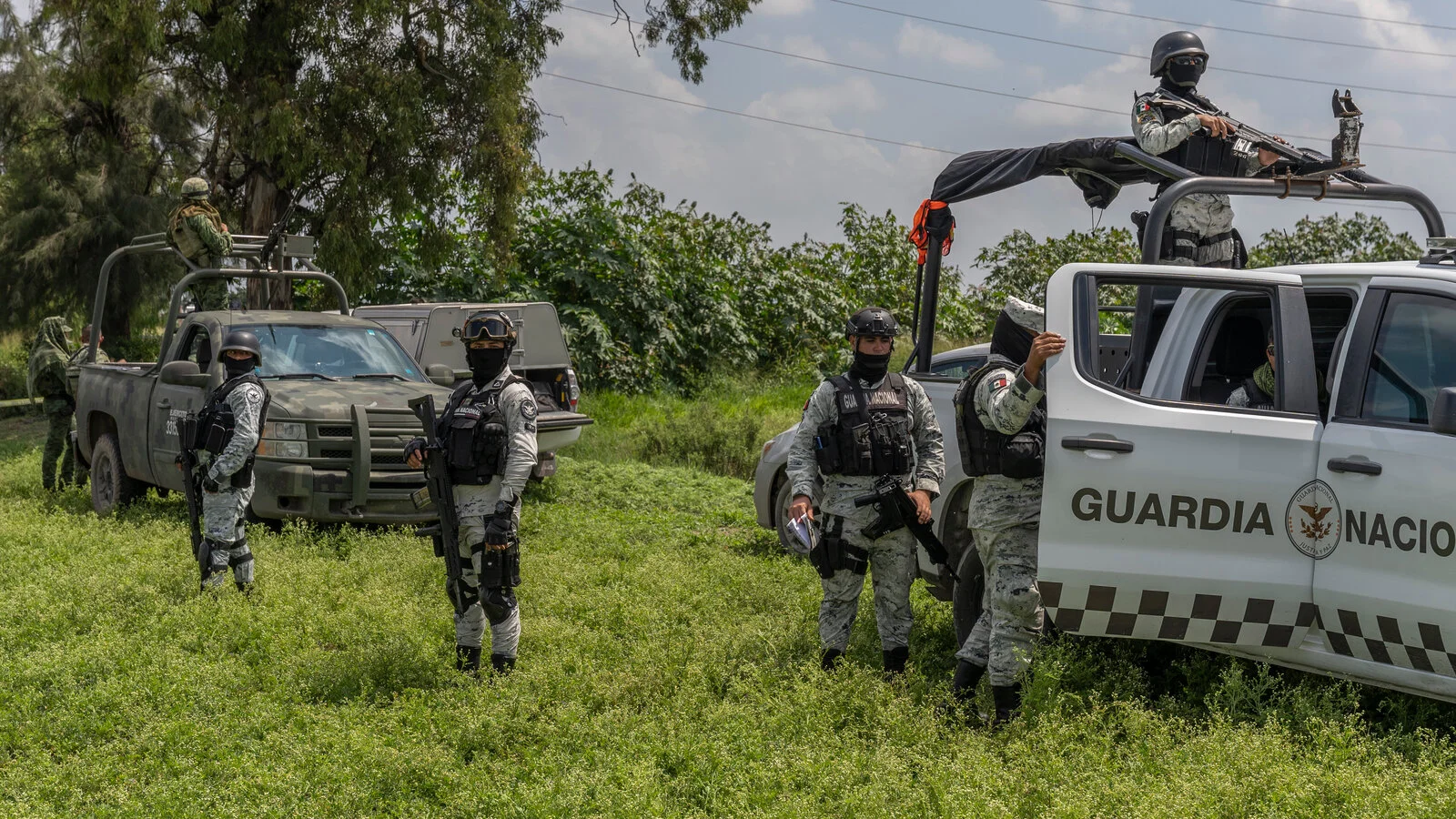
Days before the June 11 opener at the Estadio Azteca, Mexico has switched on the largest security operation in its World Cup history — blanketing Mexico City, Guadalajara and Monterrey with police, soldiers, drones and even robot dogs.
A national plan called Kukulkán
Mexico’s federal government calls the umbrella operation Plan Kukulkán, after the Maya feathered-serpent deity. Security Secretary Omar García Harfuch says it brings together more than 99,000 elements, drawn mainly from the National Guard, Army and Navy.
More than 20 federal agencies sit alongside state and municipal authorities from Jalisco, Nuevo León and Mexico City. A standing coordination table links Mexico’s security cabinet with FIFA representatives for the length of the tournament.
The hardware list is just as striking: over 2,100 military vehicles, 378 civilian vehicles for escorting dignitaries and visiting squads, plus canine units trained against explosives. The Navy is guarding ports including Altamira, Tampico and Veracruz, as well as Mexico City’s international airport.
Mexico City: 11,219 officers for the opener and the Zócalo
The capital’s police department has published the most detailed numbers so far. Its scheme totals 11,219 elements — 9,194 of them city police — backed by more than 1,000 vehicles and federal reinforcements from the Army, Navy and National Guard.
For the renamed Estadio Ciudad de México, which hosts the opening match and four more games before crowds above 82,000, the city assigns 7,708 officers and 682 vehicles. The Zócalo Fan Festival, running June 11 to July 19, gets a further 3,411 officers for an expected 60,000 daily visitors.
Smaller “Festivales Futboleros” with public screenings will run in all 16 boroughs, each with its own police detail. City authorities say roadside assistance and emergency-response teams will operate continuously in high-traffic zones.
Guadalajara and Monterrey lean on cameras, drones and robots
In Zapopan, the municipality that hosts Estadio Guadalajara, around 1,000 local police fold into a joint force of close to 14,000 officers from different corporations. The local security commissioner says his teams can monitor more than 400 of their own cameras and mirror another 1,900 from the metropolitan command center.
Zapopan’s arsenal also includes a drone squadron, robot dogs and a humanoid robot. Jalisco’s governor estimates more than three million visitors during the tournament, protected by a force of over 15,000 across the state.
Monterrey has built out its “Escudo” program with new command-and-control centers, specialized drones and an expanded video-surveillance network. Police in the metro area have taken crowd-management and English courses, and Guadalupe — home to Estadio Monterrey — says it spent nearly two years professionalizing its force.
What World Cup 2026 security means for visiting fans
Security analysts consulted by international media say fans in the three host cities will be relatively well protected, even as parts of the country remain under travel warnings. The U.S. State Department reissued its Level 2 “exercise increased caution” advisory for Mexico on May 29, keeping Mexico City and Nuevo León at that mid-tier level.
The most likely tournament-time risks are mundane: ticket fraud, pickpocketing and transport congestion rather than organized violence. Officials are urging fans to buy only through FIFA’s official platforms and to use registered taxis or ride-hailing apps.
Expect visible checkpoints, bag searches and street closures around stadiums, Fan Festivals, team hotels and airports. Match-day perimeters in all three cities will be open only to ticket holders.
Why it matters
Mexico is staging a World Cup for the third time, and this one doubles as a referendum on whether the state can guarantee safety at a global mega-event amid persistent cartel violence. A smooth tournament would strengthen the country’s bid to host more international events and protect a tourism economy already hiring at full speed.
The deployment also sets a template for security cooperation between federal forces, host states and FIFA. How it performs between June 11 and July 19 will shape how Latin America’s biggest sporting summer is remembered.
More: Mexico news in English, every day from The Rio Times.
Frequently Asked Questions
How many security personnel will protect the World Cup in Mexico?
More than 99,000 elements under the federal Plan Kukulkán, drawn mostly from the National Guard, Army and Navy. State and municipal police in the three host cities add their own deployments on top.
What is Plan Kukulkán?
It is Mexico’s national security operation for the 2026 World Cup, coordinated by the federal government with Jalisco, Nuevo León and Mexico City. It covers stadiums, hotels, airports, ports and highways before, during and after the tournament.
How is Mexico City protecting the opening match?
The capital assigns 7,708 officers and 682 vehicles to the Estadio Ciudad de México for the June 11 opener against South Africa. The wider city scheme totals 11,219 elements plus federal reinforcements.
Is it safe to attend World Cup matches in Guadalajara and Monterrey?
Experts say match-day zones will be heavily protected, with a 14,000-strong joint force around Estadio Guadalajara and Monterrey’s camera-and-drone “Escudo” network. Standard precautions still apply: stick to official tickets, registered transport and well-traveled areas.
This article was produced by The Rio Times’ automated newsroom system. How we use AI · Report an error · Editorial responsibility: Matthias Camenzind, Editor-in-Chief