U.S. Negotiates 15% Tariff on South Korea, Secures $350 Billion Investment Pledge
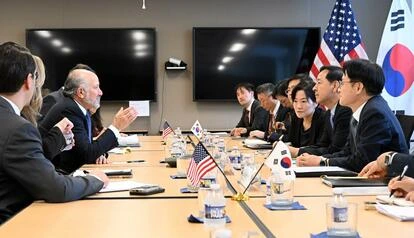
The United States and South Korea have agreed to a new trade deal that marks a sharp break from past free trade policies. Announced by President Donald Trump on July 30, 2025, this deal puts a 15% tariff on all South Korean goods entering the US.
Meanwhile, American exports to South Korea, like cars and farm products, will face no new tariffs. This move comes after months of tension over rising trade barriers and threats of even higher penalties on Korean cars.
A key part of the deal is South Korea’s pledge to invest $350 billion in the US economy. Officials say these investments will support American manufacturing, shipbuilding, technology, and energy sectors.
Over three and a half years, South Korea will also buy $100 billion worth of US energy, mainly liquefied natural gas. US Commerce Secretary Howard Lutnick explained that most of the profits from these projects are meant to stay in America.
South Korea clarified the money will mostly come as partnerships and loans, rather than direct cash. Steel, aluminum, and copper are not part of this new deal.
These products still face older, higher tariffs that reach up to 50%. South Korea also made sure to keep its most sensitive markets, like rice and beef, protected from more US imports.
The main story is clear: the US is trying to protect and boost its own factories and energy workers by charging more for foreign goods and asking trade partners to invest heavily in America.
South Korea–U.S. Deal Signals Shift Toward Tougher Trade
For South Korea, this deal avoids even more severe US penalties, but makes it harder for Korean companies to compete in the American market. Instead, Korean companies must now invest in the US to keep business flowing and reduce risk.
Behind the headlines, this agreement is part of a wider US effort to shift trade relationships away from old rules that prioritized free trade. Now, every deal is a tough negotiation.
The US asks for higher tariffs on imports and large pledges of foreign investment in exchange for access to its huge consumer market. The impact will go beyond just these two countries.
Other major economies like Japan and the European Union face newly similar demands from Washington. As more countries follow this approach, companies and workers everywhere will feel the effects.
Higher tariffs mean higher prices on goods, but also promises of more jobs at home if these investments deliver. For now, the pattern is clear: big deals, tough talk, and a new focus on national industry and investment.
This article was produced by The Rio Times’ automated newsroom system. How we use AI · Report an error
Read More from The Rio Times