U.S.-Japan Economic Diplomacy: Trump Orders Review of Nippon Steel’s Acquisition Proposal
President Donald Trump directed the Committee on Foreign Investment in the United States (CFIUS) to revisit Nippon Steel’s acquisition bid for U.S. Steel.
This move signals a potential shift in U.S. policy after the deal was blocked in January 2024 by former President Joe Biden over national security concerns. The review raises hopes among investors that the merger could proceed under new terms, leading to a nearly 7% surge in U.S. Steel’s stock.
Nippon Steel originally proposed a $14.9 billion acquisition to modernize U.S. Steel’s facilities and maintain its headquarters in Pittsburgh, Pennsylvania. However, bipartisan opposition in Congress cited fears of foreign control over a key American industry, halting the deal.
Trump’s administration is now exploring alternatives, including significant Japanese investment without full ownership, to address these concerns while fostering economic collaboration.
This development aligns with Japan’s broader commitment to invest $1 trillion in the United States. The investment will target key sectors like defense, energy, and technology.
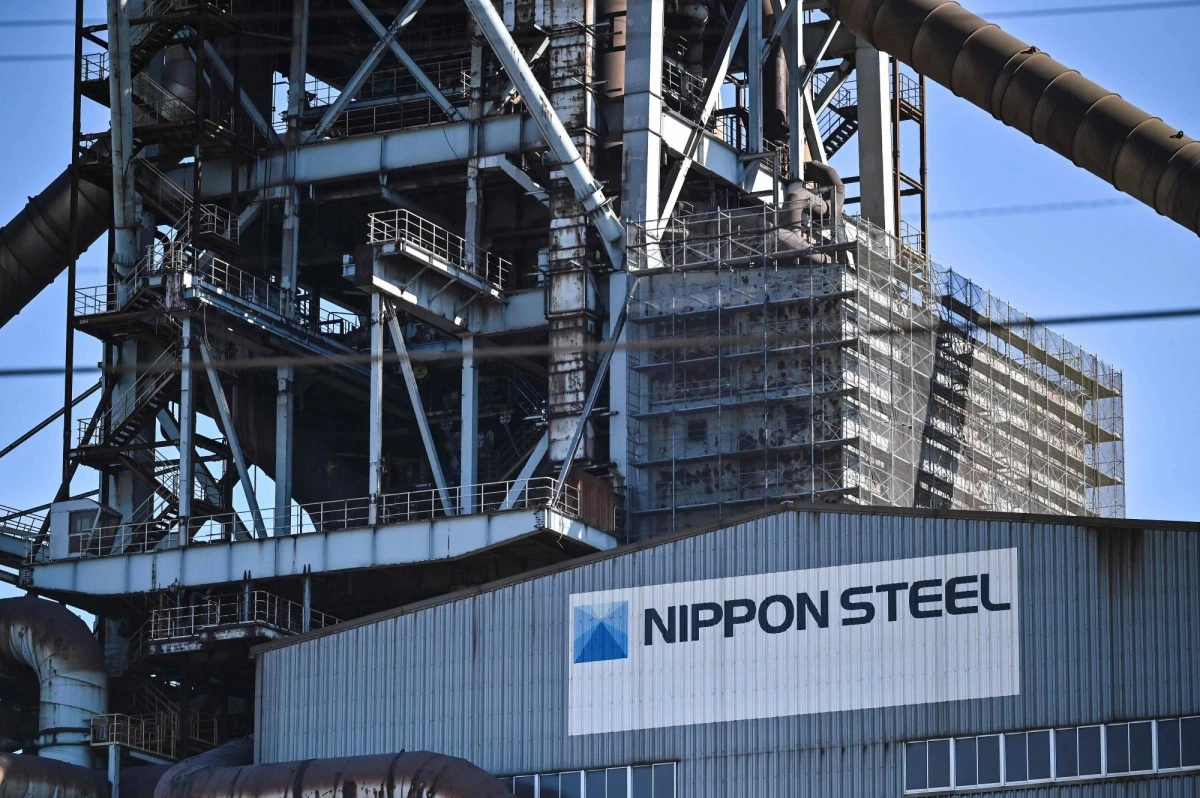
Strategic Steel Investment
Nippon Steel has reportedly pledged up to $7 billion for upgrading U.S. Steel facilities, focusing on modernizing plants like Mon Valley Works and Gary Works with advanced technologies aimed at improving efficiency and sustainability.
The revised approach offers strategic benefits for both nations. For the United States, it secures jobs in critical industrial regions, modernizes aging infrastructure, and maintains domestic control over governance.
For Japan, it ensures access to the lucrative U.S. market while avoiding political backlash tied to foreign acquisitions. Trump’s emphasis on foreign investment rather than ownership reflects his administration’s focus on revitalizing American industries.
This approach centers on leveraging international partnerships to boost domestic growth. By encouraging Japan’s capital infusion into U.S. Steel, Trump aims to balance economic growth with national security considerations.
This case highlights how strategic diplomacy can foster mutual benefits while navigating complex political landscapes. Nippon Steel’s pivot from acquisition to investment demonstrates adaptability in securing global opportunities without triggering protectionist responses.
In short, the outcome of CFIUS’s review will determine whether this compromise can set a precedent for future foreign investments in sensitive industries.
This article was produced by The Rio Times’ automated newsroom system. How we use AI · Report an error · Editorial responsibility: Matthias Camenzind, Editor-in-Chief