The High Cost of Skirting Russian Skies for Western Airlines
(Analysis) As the war in Ukraine persists, Western airlines face mounting challenges. The closure of Russian airspace has forced European and US carriers to reroute.
This increases both flight times and operational costs. Previously, routes over Russia’s vast expanses, like the Kamchatka Peninsula and Siberia, were common.
These routes allowed shorter travel times and reduced fuel consumption. Yet, Russia barred 36 mostly European countries from its skies in response to Western sanctions.
This decision symbolized geopolitical tensions and brought tangible repercussions to aviation. Longer routes and heightened expenses now burden Western airlines.
For instance, operating a Boeing 777 costs at least $10,000 per hour, consuming around 7.5 tons of fuel. Meanwhile, Chinese carriers continue using Russian airspace, maintaining operational efficiency and cost-effectiveness.
For example, a flight from Beijing to Frankfurt takes a Chinese airline just 9.5 hours. In contrast, a German airline now needs 12 hours.
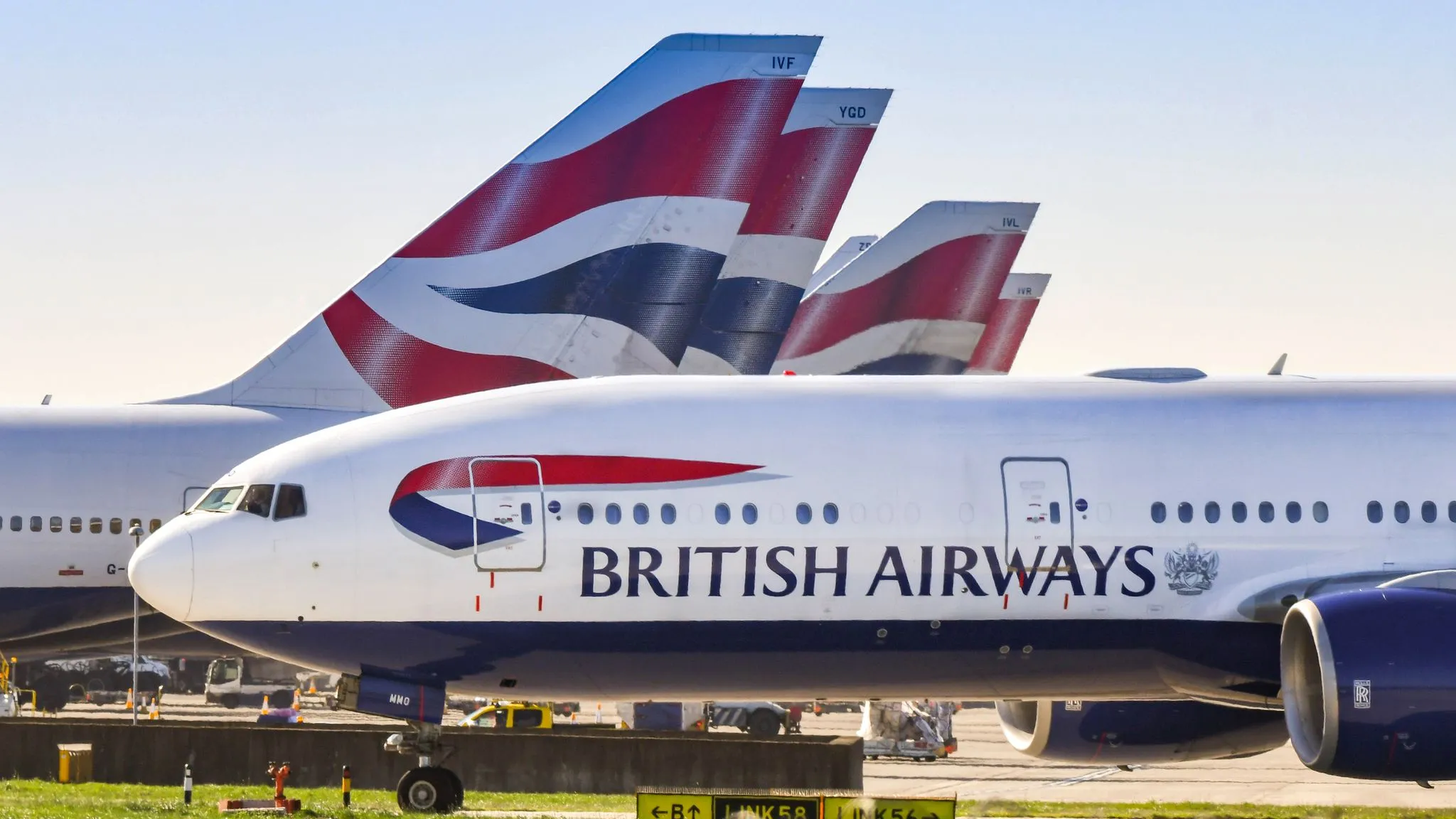
The financial impact on Western airlines is stark. Giants like Air France-KLM and British Airways have reduced flight frequencies.
For instance, British Airways will pause its London to Beijing route from October 2025. Similarly, Finnair has scaled back its direct flights since the pandemic due to these inefficiencies.
Conversely, Chinese and other Asian airlines have capitalized on their geographical and political advantages. Cathay Pacific, for instance, has increased flight frequencies, benefiting from shorter routes and less fuel usage.
Shifts in Global Air Transport Dynamics
In August 2024, while Western airlines operated 234 weekly flights to China, Chinese carriers had added 257 weekly flights to Europe and the US. This shows significant recovery and expansion compared to their Western counterparts.
This shift has broader implications beyond mere flight schedules. It affects global air transport costs, which have risen by 0.6%. It has also altered the competitive landscape in international aviation.
Western airlines find themselves in uneven competition, where route inefficiencies lead to higher fares and reduced market appeal.
The ongoing situation has also prompted a reevaluation of hub strategies. Cities like Doha, Dubai, and Istanbul are emerging as new nexus points for flights between China and Europe. This reshapes the global aviation map.
Additionally, the shift influences passenger choices, with travelers potentially preferring airlines that offer more direct routes and lower fares. This largely benefits carriers that can avoid the contested airspace.
This aviation dynamic underscores not only the direct effects of geopolitical conflicts on commerce and transport. It also highlights the indirect impacts on global connectivity and economic efficiencies.
The resilience and adaptability of airlines during such turbulent times will likely dictate their success in a rapidly changing world.
This article was produced by The Rio Times’ automated newsroom system. How we use AI · Report an error
Read More from The Rio Times