South Africa’s Central Bank Turns Dovish, Sending the Rand Toward 17 per Dollar
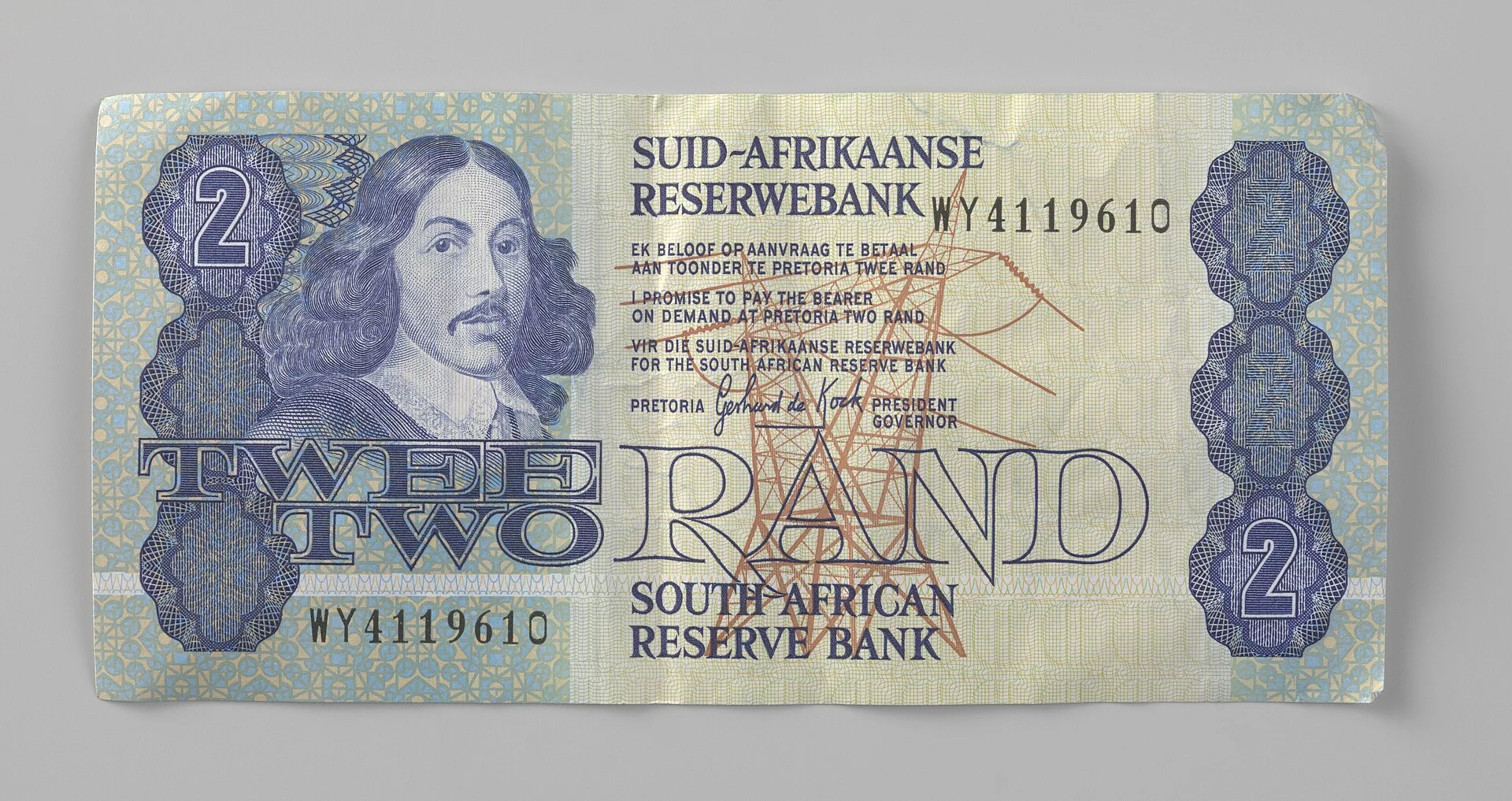
Currency · South Africa
Key Facts
—The turn. The South African Reserve Bank (SARB) struck an unexpectedly dovish tone at its July meeting.
—The rate. The bank held its key repo rate at 7.0% while signalling a softer path ahead.
—The rand. The currency weakened, with the dollar climbing from below 16.50 rand toward the 17 level.
—The Fed. A hawkish US Federal Reserve and a stronger dollar overshadowed the SARB’s message.
—Inflation. South African inflation accelerated to 5.0% in June, complicating the case for rate cuts.
South Africa’s central bank surprised markets with a dovish shift, and its currency paid the price. The rand slid toward 17 per dollar as a hawkish US Federal Reserve loomed over the decision.
A dovish surprise
The South African Reserve Bank, long seen as one of the more hawkish central banks in emerging markets, adopted an unexpectedly dovish tone at its July meeting. It held the key repo rate at 7.0% but signalled it could ease policy further as conditions allow. The shift caught investors who had positioned for a firmer stance.
For a bank that has prided itself on defending price stability, the softer message was a notable change. Markets read it as a sign the SARB is more willing to support growth even with inflation ticking up.
The rand takes the hit
The currency reaction was swift. The dollar pushed up from below 16.50 rand toward the 17 mark, a level that signals real pressure on the currency. A weaker rand raises the cost of imports and can feed back into inflation.
Currency moves of this size matter for a trade-exposed economy like South Africa’s. They affect fuel prices, imported goods and the returns foreign investors earn on local assets.
The Fed casts a long shadow
The dovish SARB was overshadowed by a more aggressive US Federal Reserve. Fed leadership has stressed that restoring price stability remains the priority and warned against letting inflation stay elevated for too long.
A hawkish Fed tends to strengthen the dollar and pull capital toward US assets. That dynamic weighs on emerging-market currencies like the rand, regardless of what local policymakers do.
Inflation complicates the picture
South African inflation accelerated to 5.0% in June, moving higher within the central bank’s target range. Rising prices make it harder for the SARB to justify cutting rates, even as growth remains sluggish.
Higher oil prices and renewed geopolitical tension have added to the inflation risk. The bank is walking a fine line between supporting the economy and keeping price expectations anchored.
Why it matters beyond South Africa
The rand is one of the most heavily traded emerging-market currencies, so its swings ripple through global portfolios. Its slide is part of a broader pattern of pressure on developing-economy currencies as the dollar strengthens.
For investors and residents alike, a weaker rand means costlier dollars and imported goods. The currency’s direction will hinge as much on the Fed as on decisions made in Pretoria.
What to watch
The immediate focus is whether the rand holds near 17 per dollar or slips further as the Fed’s stance becomes clearer. Movements in oil prices and global risk appetite will also shape the currency.
A durable recovery would likely require either a softer dollar or firmer signals from the SARB. Until then, the rand remains exposed to forces largely set outside South Africa’s borders.
More: South Africa news in English, every day from The Rio Times.
Sources
This article was produced by The Rio Times’ automated newsroom system. How we use AI · Report an error · Editorial responsibility: Matthias Camenzind, Editor-in-Chief
LatAm Markets: Live Signals → — real-time movers, turnover leaders and FX across Latin America.
Frequently Asked Questions
What did the SARB do?
The South African Reserve Bank held its key repo rate at 7.0% but struck an unexpectedly dovish tone, signalling it could ease policy further.
Why did the rand weaken?
A dovish SARB combined with a hawkish US Federal Reserve and a stronger dollar pushed the dollar from below 16.50 rand toward the 17 level.
What is South Africa’s inflation rate?
Inflation accelerated to 5.0% in June, higher within the target range, which complicates the case for rate cuts.