Cimentos de Moçambique Invests US$150 Million to Expand Cement Production
Key Facts
- —What happened Cimentos de Moçambique is investing about US$150 million to expand cement production at its Nacala, Dondo and Matola plants.
- —How big The Nacala plant alone received a US$110 million rebuild, tripling capacity to 1.2 million tonnes per year; President Daniel Chapo inaugurated it on 24 July 2026.
- —The catch The company has been controlled by China’s Huaxin Cement since its takeover of InterCement’s African business, cleared by Mozambican regulators.
- —Why it matters Kilns at the three plants now provide 8,000 tonnes per day of clinker capacity, sharply cutting reliance on imported clinker.
- —What comes next The company presented the programme at the FACIM 2026 trade fair in Maputo, seeking new commercial partners, suppliers and investors.
Cimentos de Moçambique presented a US$150 million programme at the FACIM 2026 trade fair to expand clinker output at its Nacala, Dondo and Matola plants and cut Mozambique’s reliance on imports.
Cimentos de Moçambique is investing US$150 million to expand clinker production at its plants in Nacala, Dondo and Matola, commercial director Ailton Novele said at the 61st Maputo International Trade Fair (FACIM 2026), held from 31 August to 6 September. The company, which operates four factories in Mozambique, used the fair to seek new commercial partnerships, suppliers and investors.
The Cimentos de Moçambique expansion programme
The largest single project is a US$110 million rebuild of the Nacala integrated plant in Nampula province, amounting in scope to a new production unit. President Daniel Chapo inaugurated the upgraded facility on 24 July 2026.
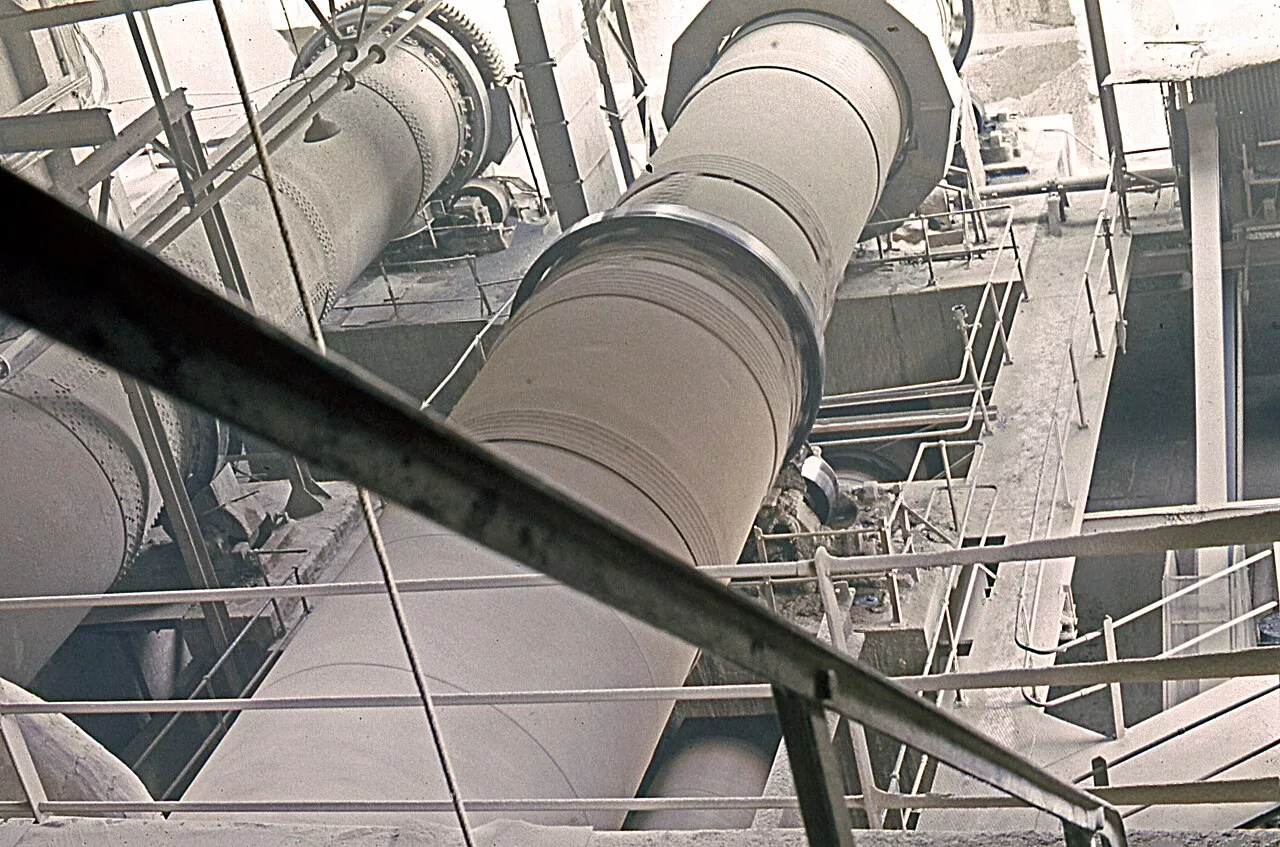
The Nacala work triples capacity from roughly 390,000 tonnes per year to 1.2 million tonnes per year. Its new kiln produces 3,000 tonnes of clinker per day.
A separate US$60 million investment at the Dondo plant in Sofala province doubles cement capacity to 1.3 million tonnes per year. Its kiln, with an equivalent 3,000 tonnes per day, has also been commissioned.
The Dondo upgrade includes a vertical mill rated at 80 tonnes per hour and a bagging line capable of 120 tonnes per hour. In Matola, near Maputo, a kiln with a capacity of 2,000 tonnes per day has been rehabilitated and brought back into operation.
Cutting clinker imports and saving foreign exchange
Combined, the three kilns provide 8,000 tonnes per day of clinker capacity: 3,000 tonnes at Nacala, 3,000 tonnes at Dondo and 2,000 tonnes at Matola. The company is also refurbishing a quarry at Mwanza in Gaza province to secure raw materials, engaging local workers.
The expansion is designed to cut Mozambique’s reliance on imported clinker, the primary input in cement manufacturing. Novele said the investments have “an enormous direct impact on the economy, specifically in terms of foreign exchange savings”, freeing hard currency for other sectors.
The Nacala unit alone is projected to create approximately 150 direct and indirect jobs, with comparable figures expected from the expanded operations in Dondo and Matola. The company says it is prioritising local labour, including young workers, at factory sites and quarries.
The import substitution push fits Maputo’s broader industrialisation drive. Cement is a strategic input for construction, infrastructure and energy projects across the country.
Chinese ownership and the great-power angle
Cimentos de Moçambique, historically tied to Portuguese group Cimpor, is now controlled by China’s Huaxin Cement, which bought InterCement’s remaining African business in a deal cleared by Mozambique’s competition regulator.
That places the company at the intersection of Chinese-backed manufacturing and Mozambique’s industrial build-out. Beijing’s role in African cement and construction has grown steadily over the past decade.
The FACIM showcase underlined Maputo’s import-substitution drive: clinker produced at home replaces hard-currency imports at a time when Mozambique is pressing local-content policies across industry.
This story echoes the broader pattern covered in Africa: The New Scramble, where Chinese capital, global energy demand and local industrial policy converge.
What the three plants mean for regional supply
Nacala in the north, Dondo in the centre and Matola in the south give Cimentos de Moçambique a national footprint. Each plant now has a defined role in meeting regional demand.
The Nacala expansion is particularly significant for northern Mozambique, where construction demand is rising around the port and the province’s industrial projects.
Dondo’s doubled capacity strengthens supply in the central corridor. Matola’s rehabilitated kiln reinforces cement availability in the greater Maputo area.
Together, the three sites reduce the need to move cement long distances across the country. That should lower logistics costs and improve reliability for buyers.
Who gains and who loses
Domestic construction companies and infrastructure developers stand to gain from more reliable local cement supply. Reduced clinker imports also benefit Mozambique’s balance of payments.
Importers of clinker and foreign cement suppliers may lose market share. The expansion is explicitly designed to replace imported material with local production.
Workers in Nampula, Sofala and Maputo gain from direct and indirect job creation. The reported jump in Nacala employment shows the local labour impact.
Huaxin Cement gains a stronger foothold in a growing African market, extending the footprint it built through the InterCement acquisition.
What to watch next
With all three kilns now operational, the test shifts from construction to utilisation: how quickly the plants ramp up toward their combined 8,000 tonnes per day of clinker capacity.
Investors should watch the pace of clinker import reduction and the foreign-exchange savings the company has promised. The Mwanza quarry refurbishment will show how far the localisation push reaches into the supply chain.
Commercial partnerships announced after FACIM 2026 will indicate whether the expanded capacity finds buyers quickly enough to justify the US$150 million outlay.
Mozambique’s cement market is becoming more competitive as capacity expands. How Cimentos de Moçambique balances domestic sales with export opportunities will shape its returns on the US$150 million programme.
Frequently asked questions
How much is Cimentos de Moçambique investing in production expansion?
Cimentos de Moçambique is investing US$150 million across its Nacala, Dondo and Matola plants, presented at the FACIM 2026 trade fair in Maputo.
Who owns Cimentos de Moçambique?
The company is controlled by China’s Huaxin Cement, after being historically tied to Portuguese group Cimpor.
What is the new clinker capacity after the expansion?
Kilns at the three plants now provide 8,000 tonnes per day of clinker capacity: 3,000 at Nacala, 3,000 at Dondo and 2,000 at Matola.
Connected Coverage
Sources
This article was produced by The Rio Times’ automated newsroom system. How we use AI · Report an error · Editorial responsibility: Matthias Camenzind, Editor-in-Chief
LatAm Markets: Live Signals → — real-time movers, turnover leaders and FX across Latin America.