São Paulo Was Just Named the World’s Best City for Nightlife in 2026
Culture
Key Facts
—The title. São Paulo has been named the world’s best city for nightlife in a 2026 ranking.
—The twist. Old bank vaults, abandoned galleries and rooftops have been turned into bars and clubs.
—The heart. Much of the boom is centred on the historic downtown, once seen as unsafe.
—The range. Nights run from techno and house to samba and pagode across the city.
—The context. The win comes as nightlife has dimmed in cities like London, Berlin and New York.
While bars go quiet in much of the world, one city is doing the opposite. São Paulo nightlife has just been crowned the best on the planet, and the reason is more interesting than sheer size.
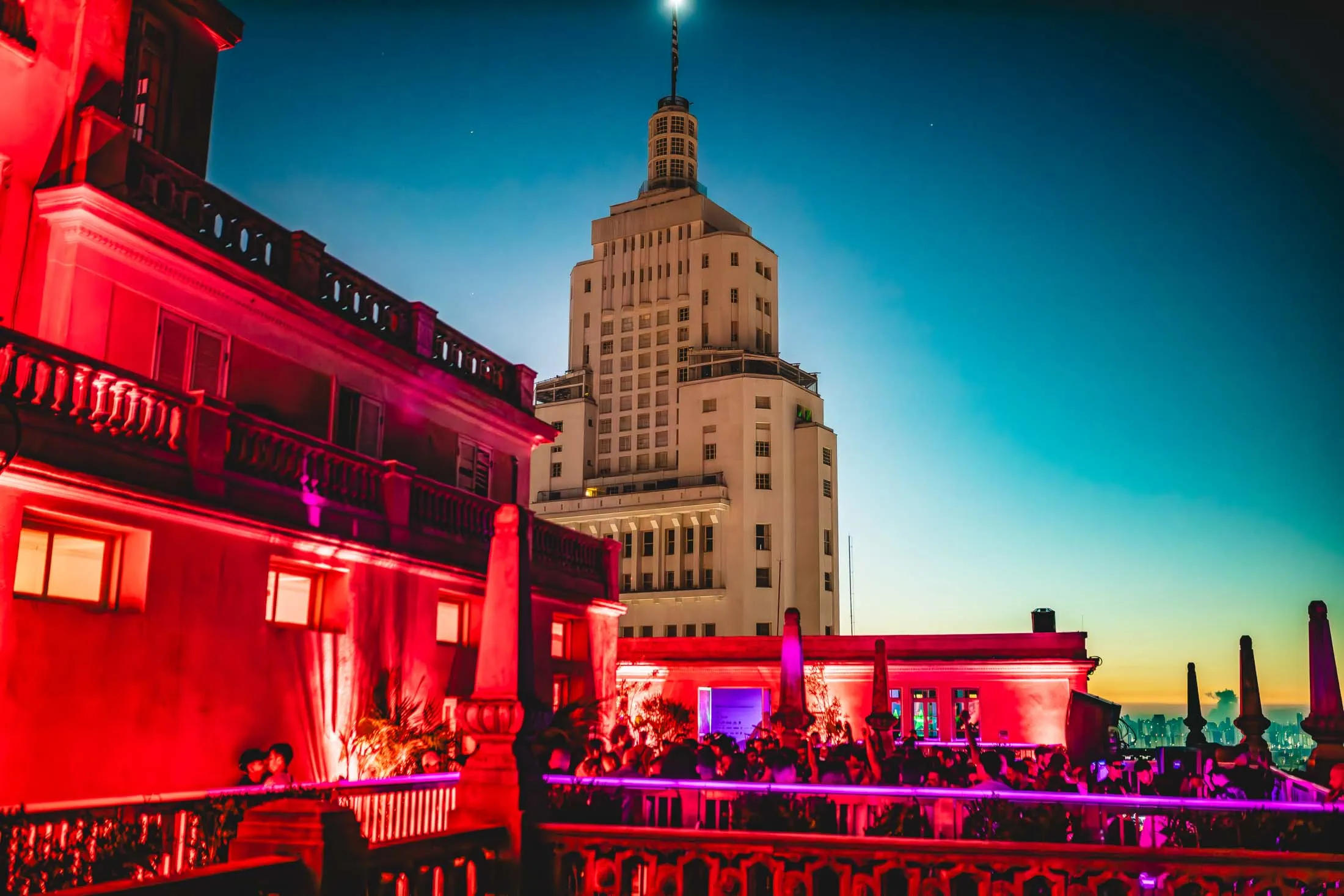
The title comes from a major 2026 global cities ranking, as reported by Bloomberg. It singled out São Paulo for turning forgotten spaces into some of the most exciting after-dark venues anywhere.
The timing is striking. Nightlife has dimmed from New York and London to Berlin and Sydney, yet Brazil’s biggest city is staying up late and drawing global attention for it.
The real story is reinvention. Rather than build new mega-clubs, the city has poured its energy into reviving old, abandoned buildings in the historic centre.
Why São Paulo nightlife stands out
The settings are the hook. One celebrated cocktail bar sits inside the vault of a former state bank, its heavy steel door still part of the room.
Others go underground, literally. A listening bar has taken over a gallery abandoned for nearly fifty years, drawing more than a thousand music fans on a weekend.
Rooftops do the heavy lifting up high. A century-old skyscraper in the centre now holds a bar on its twenty-sixth floor, with a sweeping view and a big renovation under way.
There is a civic idea behind it. Operators talk openly about keeping the streets alive day and night to make once-neglected districts feel safe again.
What makes the São Paulo nightlife scene work
The variety is genuine. A single night can move from house and techno to samba and pagode, often within a few blocks of each other.
Scale is not the point. Even tiny venues holding a handful of people can become hotspots, proof that creativity matters more than square metres here.
Public and private effort meet. Renovations and better lighting in the centre have made the area more inviting, and bars have rushed to fill the empty properties.
The mood is adaptive. From a fifteen-person room to a rooftop circuit party, the common thread is the constant appetite for a new kind of night out.
How a visitor should approach it
Split your nights by area. The historic centre offers the boldest reinvented spaces, while Vila Madalena and Pinheiros deliver a more classic bar-hopping crawl.
Move smart after dark. Ride-hailing apps are cheap and door-to-door, the sensible way to travel late between neighbourhoods in a city this size.
Pace yourself for the hours. Nights here start late and run long, so an early dinner and a slow build beat trying to peak before midnight.
For an expat, it is a fast way in. Turning up at a samba room or a rooftop party is one of the easiest ways to meet people and shake off the newcomer feeling.
The honest appeal is the surprise. In a world where famous nightlife capitals are fading, São Paulo’s willingness to reinvent old rooms is exactly what makes its nights feel alive.
Why was São Paulo nightlife ranked the world’s best?
A 2026 global cities ranking named São Paulo the world’s best for nightlife, highlighting how it has turned abandoned banks, underground galleries and rooftops into bars and clubs. The win stands out because nightlife has faded in cities like London, Berlin and New York.
Where should a visitor go?
The historic centre holds the most striking reinvented venues, from a bar in an old bank vault to rooftop parties in century-old towers. Vila Madalena and Pinheiros offer a more traditional bar-hopping night, with samba rooms and live music alongside cocktail bars.
Is the São Paulo nightlife scene safe?
Much of the boom is deliberately tied to making the historic centre livelier and safer, with better lighting and constant foot traffic. As in any big city, the sensible approach is to keep valuables discreet and use ride-hailing apps door to door late at night.
This article was produced by The Rio Times’ automated newsroom system. How we use AI · Report an error · Editorial responsibility: Matthias Camenzind, Editor-in-Chief
The São Paulo Guide
What The Rio Times publishes for foreigners in São Paulo, Brazil.
This month
Coming up in São Paulo
- Kneecap in São Paulo, Brazil: Irish-Language Rap at Cine Joia on October 23, 2026 23 Oct
- Iron Maiden in São Paulo, Brazil: Two Nights at Nubank Parque on October 25 and 27, Plus Curitiba 25 Oct
- BTS in Brazil 2026: São Paulo Dates, Tickets, How to Watch 28 Oct
- Jorja Smith in São Paulo, Brazil: British Soul at Espaço Unimed on October 30, 2026 30 Oct
Living in São Paulo
- São Paulo Governor Race 2026: Tarcísio vs Haddad — Polls, Issues and Stakes
- Rio vs São Paulo Safety for Expats, District by District
- São Paulo Rents Hit Expats for US$2,500 a Month as Jardins Leads Brazil Costs
- São Paulo Got One Listing in Five Years, and Nubank Still Trails Itaú
Nightlife
Understand Brazil