Pharmaceutical Sovereignty Push Gains Pace in Brazil
Brazil · Health
Key Facts
- —Fiocruz and MSD signed a memorandum on 6 August 2026 for a new HIV drug.
- —Health Minister Alexandre Padilha backs technology transfer to Fiocruz.
- —Lula’s 8 August 2026 plan prioritizes national production of medicines and inputs.
- —US generic-drug tariff 0% until July 2028, then 100%, then 200%.
- —Brazil imports about 70–80% of active ingredients, mostly from China and India.
- —Federal policy targets 70% local pharmaceutical production by 2033.
Brazil is accelerating local drug production as the US generic-drug tariff looms. New deals and a government plan aim to cut foreign dependence.
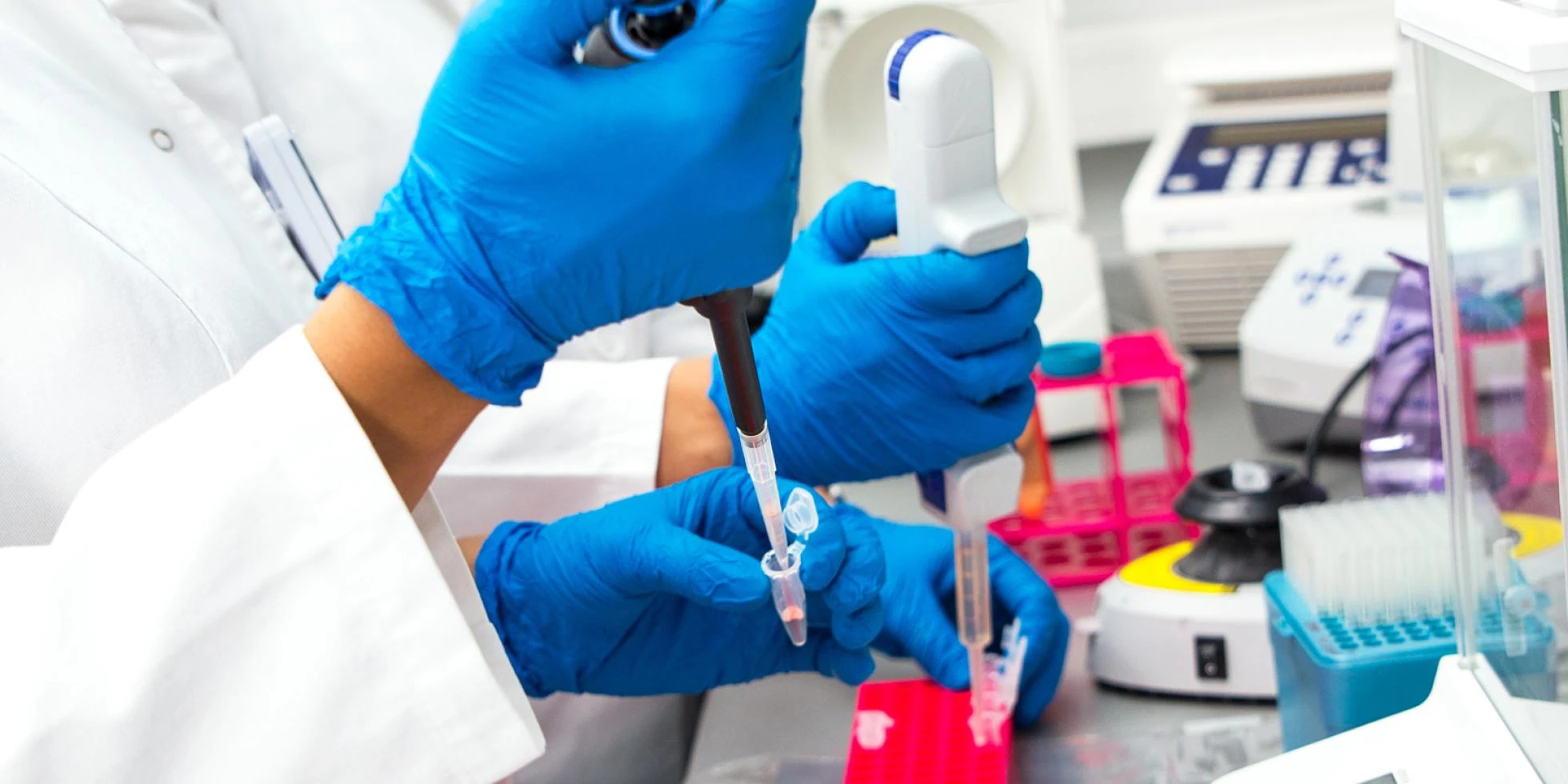
Pharmaceutical sovereignty is now a central goal for Brazil’s government. New deals and a national plan aim to cut reliance on foreign medicines and inputs.
What Brazil Is Pushing For
Brazil wants to make more of its own medicines, equipment, and health inputs. The goal is to reduce dependence on foreign suppliers for the SUS.
The SUS is Brazil’s public health system, serving millions of people. Local production helps ensure steady supply and lower costs.
Active ingredients, known as IFAs, are a key focus. Brazil currently imports most of them from China and India.
By boosting domestic output, Brazil hopes to shield itself from global price shocks. This push also creates jobs and strengthens industrial capacity.
The Fiocruz-MSD HIV Deal
On 6 August 2026, Fiocruz and MSD signed a memorandum for a new HIV medicine. This deal enables domestic manufacture of the drug in Brazil.
Health Minister Alexandre Padilha said the government would work to add it to the SUS. Technology transfer to Fiocruz is a key part of the plan.
If the drug performs well and gets approved, SUS incorporation will happen in parallel. This means faster access for patients.
Fiocruz is a major public health research foundation in Brazil. The partnership boosts local expertise in complex drug production.
Lula’s Sovereignty Plan
On 8 August 2026, President Lula’s government released a plan built around sovereignty. The plan links SUS expansion to industrial policy.
It defends greater national production of medicines, equipment, and inputs. This reduces dependence on foreign suppliers.
The plan is part of Lula’s re-election campaign, confirmed on 2 August 2026. It promises to strengthen Brazil’s health and industrial sectors.
Federal policy now targets 70% local production of health products by 2033. This is a major shift from current levels.
The US Generic-Drug Tariff
On 21 July 2026, the US announced tariffs on imported generic drugs. The schedule starts with zero tariff for two years.
From 1 August 2028, the tariff rises to 100%. Then from 1 August 2029, it jumps to 200%.
News reports consistently describe this schedule. But the official US legal text was not independently confirmed.
The tariff targets imports into the United States. So its direct impact on Brazil is limited.
Why Brazil’s Direct Exposure Is Limited
Brazil’s main vulnerability is on the import side, not exports. It depends heavily on foreign active ingredients.
About 70–80% of IFAs used by Brazilian pharma come from abroad. China supplies roughly 50%, and India about 20%.
The US tariff affects Brazilian firms only if they export finished drugs to America. Most Brazilian pharma focuses on domestic supply.
Valor reported that the tariff shock has limited direct impact on Brazil. But it exposes a global race for pharmaceutical sovereignty.
What Pharmaceutical Sovereignty Means Next
Pharmaceutical sovereignty means Brazil can produce essential drugs locally. This reduces risk from global supply chain disruptions.
The Fiocruz-MSD deal and Lula’s plan are early steps. More partnerships and investments will be needed.
Brazil must also boost local production of active ingredients. This is the hardest part of the supply chain.
The US tariff adds urgency to this push. Brazil wants to be ready for any future trade shocks.
More: Brazil news in English, every day from The Rio Times.
Frequently Asked Questions
What is pharmaceutical sovereignty?
It means a country can make essential medicines and inputs locally. This reduces dependence on foreign suppliers and ensures stable access.
What did Fiocruz and MSD agree on?
They signed a memorandum on 6 August 2026 for domestic production of a new HIV drug. Technology transfer to Fiocruz is included.
How does the US generic-drug tariff affect Brazil?
Directly, very little, because Brazil mostly imports drugs rather than exports to the US. But it highlights Brazil’s need for local production.
What is the SUS?
It is Brazil’s public health system, providing free healthcare to all citizens. Local drug production helps keep it affordable and reliable.
Sources: Fiocruz; Brazil’s Health Ministry; Valor Econômico; PT/Lula government plan; trade-press reports.
This article was produced by The Rio Times’ automated newsroom system. How we use AI · Report an error
Read More from The Rio Times