Lojas Renner, Alupar, And Fleury Q3 2025 Results
Brazil’s latest results from three bellwethers point to an economy moving on multiple tracks. Fashion retailer Lojas Renner
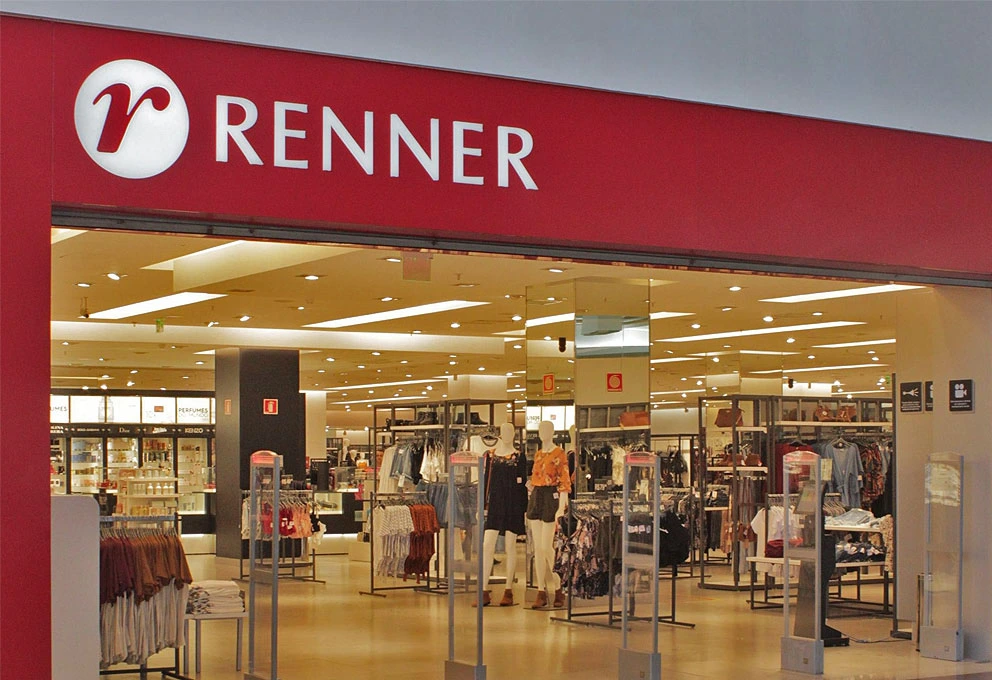
Brazil’s latest results from three bellwethers point to an economy moving on multiple tracks. Fashion retailer Lojas Renner is keeping profits steady even as shoppers slow their spending. Power-grid operator Alupar is turning consistent cash generation into dividends.
Diagnostics leader Fleury continues to grow through a mix of acquisitions and digital efficiency, though higher financing costs are clipping the bottom line.
For readers outside Brazil, the through-line is simple: margins and capital discipline now matter as much as raw growth.
Lojas Renner (Retail Apparel And Home) — Profit Holds As Shoppers Catch Their Breath
Renner sells clothing and home goods to the mass market. It reported net income of R$279.4 million ($52 million) and adjusted EBITDA of R$594 million ($110 million), both ahead of expectations, on revenue of R$3.08 billion ($570 million).
Same-store sales rose 3.1% after an unusually strong prior year, hinting that fashion demand is cooling from 2024 highs.
The story behind the story: Renner squeezed more out of each real through tighter markdowns, cost control, and better credit operations via its Realize unit.
That margin work offset softer traffic and a milder winter, allowing earnings to beat even as revenue missed some sell-side forecasts.
Read this as a management choice: protect profitability now and wait for the next fashion cycle, rather than chase volumes at any price.

Alupar (Electricity Transmission) — Dividends As A Signal Of Reliability
Alupar builds and operates regulated transmission lines—predictable, inflation-linked cash flows with long concessions. The board approved interim dividends of R$98.9 million ($18 million), or R$0.10 per common and preferred share and R$0.30 per Unit.
In a high-rate environment, that decision is more than housekeeping: it’s a statement that cash generation and balance-sheet discipline remain intact, even as new projects ramp.
The quiet truth here is strategic positioning. By returning cash with regularity, Alupar anchors yield-seeking investors while keeping enough flexibility to fund growth. It’s a classic regulated-asset play: lower drama, higher visibility.
Fleury (Diagnostic Medicine) — Scale Up Now, Harvest Later
Fleury operates premium and mainstream diagnostics brands across major Brazilian cities. Gross revenue climbed to nearly R$2.4 billion ($444 million), EBITDA reached R$599.4 million ($111 million) with a stable 27.4% margin, and net income came in at R$184.9 million ($34 million).
Operating cash flow was strong at R$718.5 million ($133 million), and capex rose to R$126 million ($23 million) as the group integrated recent deals and invested in IT/Digital.
Mobile collections—tests taken at patients’ homes—now generate 7.8% of revenue, a sticky, convenience-driven channel. The deeper story: management is trading some near-term earnings for durable capacity and productivity.
With net debt around 1.0× EBITDA, Fleury can keep consolidating regional labs while technology lowers unit costs and improves patient experience.
Why this trio matters
Together, these prints sketch Brazil’s late-cycle dynamics. Consumers are choosier, so retailers win on execution, not just assortment.
Regulated infrastructure remains a haven for income investors. And healthcare platforms with balance-sheet room can buy growth and efficiency even when rates are high.
If the Selic rate eases meaningfully in 2026, Renner’s volumes, Alupar’s valuation multiples, and Fleury’s net income could all benefit—each through its own lever. For now, margins, cash fidelity, and disciplined investment are the edges to watch.
Live Company IntelligenceFleury S.A. — the full investor dossier
Valuation & profitability
Price & risk
$13.0152-wk high
$23.93
Revenue trend · 6y
Ownership
Dividend
This article was produced by The Rio Times’ automated newsroom system. How we use AI · Report an error · Editorial responsibility: Matthias Camenzind, Editor-in-Chief
LatAm Markets: Live Signals → — real-time movers, turnover leaders and FX across Latin America.