Latin American Currencies Split as Europe Raises Rates and Oil Jumps Above US$100
MARKETS · WEEK IN REVIEW
Key Facts
- —The trade date Trade date: Friday 11 September 2026. All levels are that session’s closes.
- —Europe The European Central Bank raised its deposit rate to 2.50 percent on Thursday, its second increase this year.
- —The United States US inflation came in at 3.4 percent in August, with the core reading above forecast.
- —Oil Brent settled at US$104.61 a barrel on Friday, up about 8.7 percent on the week.
- —The region Brazil and Colombia strengthened. Mexico and Chile weakened. Peru and Argentina were flat.
- —The catch No Federal Reserve meeting took place this week. The decision comes on Wednesday.
The week’s story is a global tightening turn, not a regional sell-off. Two currencies strengthened, two weakened and two barely moved.
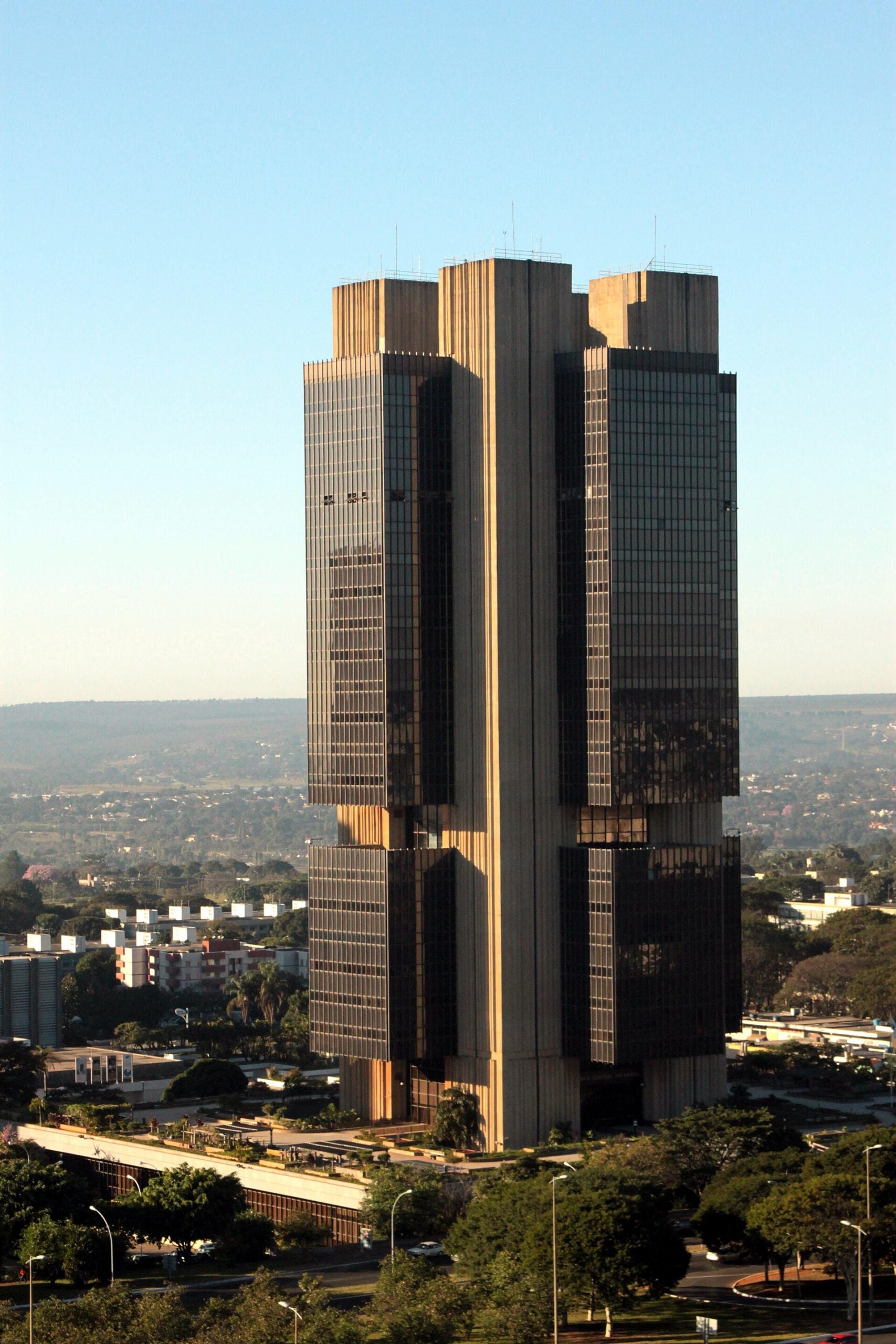
Latin American currencies did not move as a bloc this week. Trade date: Friday 11 September 2026.
Two strengthened against the dollar, two weakened and two barely moved. The common backdrop was a hardening of global interest rate expectations.
What Europe Did
The European Central Bank raised rates on Thursday 10 September. The increase was 25 basis points and the vote was unanimous.
The deposit rate goes to 2.50 percent, effective 16 September. The main refinancing rate goes to 2.65 percent.
This is the bank’s second increase this year. Inflation across the euro area reached 3.3 percent in August, a three-year high.
President Christine Lagarde called the decision straightforward. The bank says inflation will stay well above target for an extended period.
What the United States Did Not Do
There was no Federal Reserve meeting this week. The next decision is on Wednesday 16 September.
What arrived instead was August inflation, published on Friday. Headline prices rose 0.4 percent on the month and 3.4 percent on the year.
The core reading, which strips out food and energy, rose 0.3 percent. Forecasters had expected 0.2 percent.
That single tenth moved the market. Pricing for a rate increase next week ran somewhere between 62 and 71 percent afterwards, depending on the source.
The federal funds target range has been at 3.50 to 3.75 percent since December 2025. At the July meeting three policymakers dissented in favour of raising it.
Oil Did the Rest
Brent crude settled at US$104.61 a barrel on Friday. That was a fall of 2.81 percent on the day but a gain of about 8.7 percent on the week.
West Texas Intermediate settled at US$100.05, up about 9.4 percent on the week. Friday’s dip came on reports of talks over shipping in the Strait of Hormuz.
The weekly move came from supply, not demand. Attacks on Middle East energy and shipping infrastructure cut tanker traffic through Hormuz sharply.
Saudi output ran near six million barrels a day in August. That is its lowest in more than three decades.
How the Region Moved
The Brazilian real was the firmest. The central bank’s reference rate ended the week at 5.0918 to the dollar, against 5.1253 the previous Friday.
That is a gain of 0.65 percent for the real. The later commercial close was weaker, at about 5.125, so the two measures do not agree.
The Colombian peso also strengthened. Its official rate ended at 3,101.00 to the dollar, from 3,141.36 a week earlier.
The Mexican peso went the other way, ending at 16.9705 to the dollar. That is a loss of roughly 0.47 percent on the week.
The Chilean peso was the clear laggard, closing near 937 to the dollar. The dollar has now gained against it for five consecutive weeks.
Copper is the reason. The metal fell about one percent on Friday to US$6.45 a pound on trade uncertainty.
The Peruvian sol was effectively unchanged near 3.365 to the dollar. The Argentine peso held at 1,508.50 on the official rate.
Why It Matters
The phrase being used in market commentary is a hawkish turn. On the evidence of this week, that is fair for Europe and arguable for the United States.
What it is not is a uniform Latin American sell-off. Anyone writing that headline is not looking at the numbers.
Local stories still dominate. Brazilian consumer prices fell 0.32 percent in August, which gives the central bank room.
Peru’s central bank held its rate at 4.25 percent for a twelfth straight meeting. The Argentine official rate barely moves by design.
The dollar index gained 0.17 percent on Friday to 99.22. That is not the move of a currency tearing higher.
Wednesday is the test. If the Federal Reserve raises rates, the pressure on the region becomes general rather than selective.
More: Latin America news in English, every day from The Rio Times.
Frequently Asked Questions
Did the Federal Reserve meet this week?
No. There was no meeting in the week to 11 September 2026. The next decision is on Wednesday 16 September.
What did the European Central Bank do?
It raised its deposit rate by 25 basis points to 2.50 percent on Thursday 10 September, unanimously, effective 16 September.
Which Latin American currencies gained?
The Brazilian real and the Colombian peso. The Mexican and Chilean pesos lost ground and the Peruvian sol and Argentine peso were flat.
Why did oil rise so much?
Supply. Attacks on Middle East energy and shipping infrastructure cut traffic through the Strait of Hormuz, and Saudi output fell to a thirty-year low in August.
What is the current US interest rate?
The federal funds target range is 3.50 to 3.75 percent, unchanged since December 2025.
Sources: European Central Bank, US Bureau of Labor Statistics, Banco Central do Brasil, Banco de la Republica, Banxico, BCRA, BCRP, Reuters.
This article was produced by The Rio Times’ automated newsroom system. How we use AI · Report an error
Read More from The Rio Times