Kenya Foreign Business Owners Get 90 Days to Fix Permits, Licences and Status
KENYA · VISAS
Key Facts
- —What happened State House gave foreigners running businesses in Kenya 90 days to regularise their papers.
- —How long The window opened on 8 September 2026 and points to early December.
- —What it means The window is time to comply, not a promise that trading without papers is now legal.
- —The catch The order came from State House, but no official step-by-step procedure has been published.
- —Who it affects Foreign nationals trading in Kenya, above all hawkers and small shopkeepers.
- —What comes next After the window, immigration and licensing rules are to be enforced firmly and strictly.
Kenya foreign business owners have been given 90 days to regularise permits, registration and residency. Here is what is known so far, and what the government has not yet spelled out.
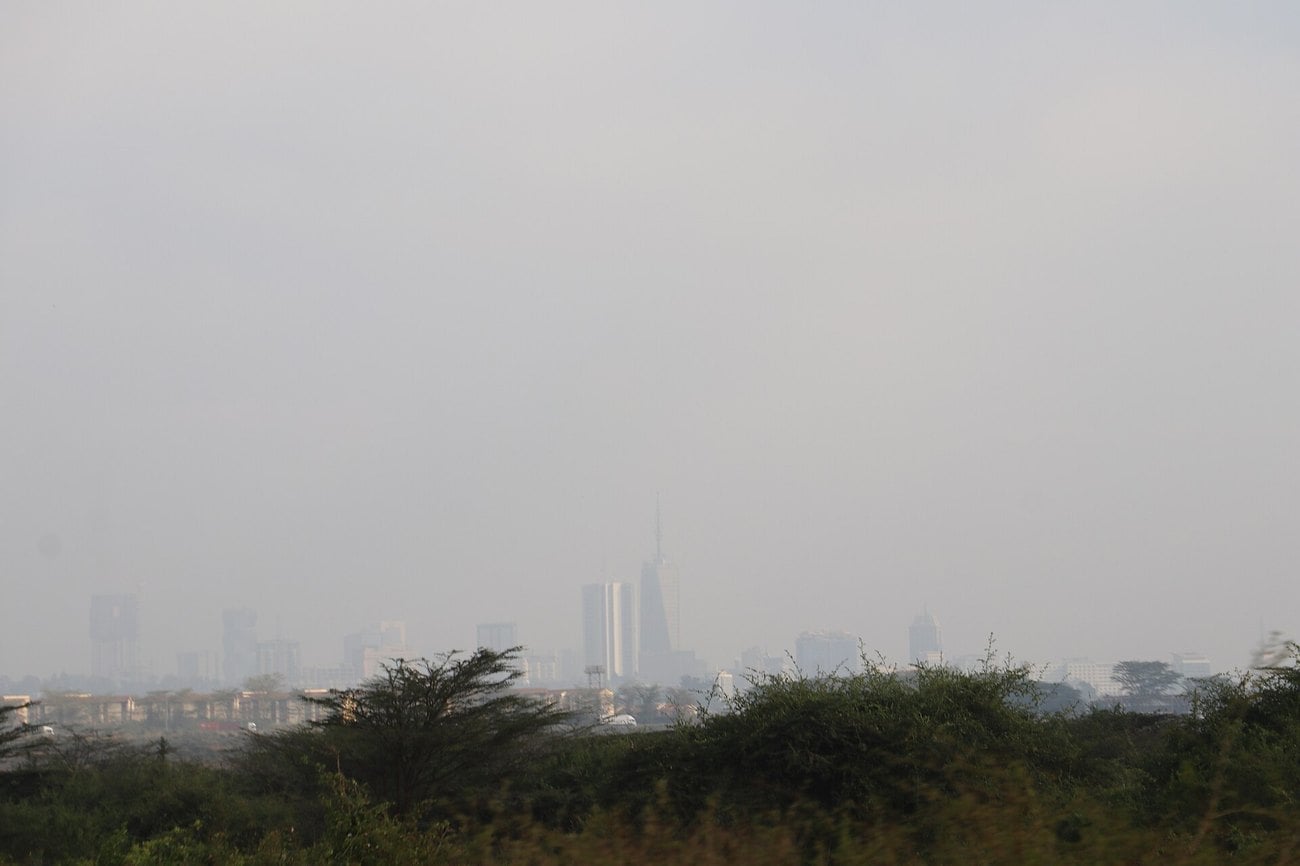
Kenya foreign business owners now have 90 days to put their permits and residency papers in order. State House announced the window on Tuesday 8 September 2026.
What the government actually announced
The announcement came from State House in Nairobi. Spokesperson Hussein Mohamed said the government would run an orderly regularisation exercise over 90 days.
The exercise covers immigration status, work permits, business registration and licensing. It is to be coordinated by relevant agencies in consultation with the embassies concerned.
That statement replaced a much tighter deadline. President William Ruto’s directive of 2 September had set a short window, which expired on Monday 7 September.
State House also warned against private enforcement. No individual or group has the authority to harass or threaten foreign nationals, the statement said.
The political argument around the policy is a separate story. The Rio Times covered the pushback from Kenyan politicians on 10 September.
Who the 90 days apply to
The wording covers foreign nationals doing business in Kenya. Reporting points mainly at hawking and small-scale retail, where the original complaints came from.
If your permit, licence and registration are all current, the window changes nothing for you. The government said lawful residents keep their protection under the law.
If any single document is missing or expired, you sit inside the window. A valid permit with a lapsed county business licence still counts as a gap.
Citizens of East African Community member states are in a different position. The East African Community, or EAC, is a regional bloc of eight states, Kenya included.
Those rules are set out in our explainer on what EAC citizens can and cannot do in Kenya. They are not suspended by this exercise.
What the paperwork normally involves
Permits and foreign national registration sit with the Directorate of Immigration Services. Applications normally go through its eFNS portal at fns.immigration.go.ke.
Trade and business fall under what the Directorate calls a Class G permit. Its published processing fee is KES 20,000 (about US$154) and is non-refundable.
Issuance then costs KES 250,000 (about US$1,931) for each year of the permit. For citizens of EAC member states, the Directorate lists the same permit as gratis.
The Class G route also asks for documentary proof of capital of at least US$100,000. That threshold sits well above what a market stall or a single shop would hold.
These are the Directorate’s standing fees, not a quote for the regularisation exercise. Currency conversions use the 13 September 2026 rate of 129.45 shillings to the US dollar, from open.er-api.com.
What registering through an embassy seems to mean
State House said agencies would act in consultation with the embassies concerned. It did not say that embassies would collect, process or approve applications.
Foreign Ministry principal secretary Korir Sing’oei visited an affected country’s embassy in Nairobi on Monday 7 September. He apologised for how the directive had been presented and said the exercise was also meant to protect foreign nationals.
In practice, your own mission is the sensible first call. It can tell you what travel document it can issue and whether it is holding any list.
Neither State House nor the Directorate has published an embassy registration form. Treat any list or fee circulating outside official channels with real care.
What is still unclear
The exact end date has not been published. Ninety days counted from the 8 September statement lands on 7 December 2026, but that is arithmetic, not an official date.
Which office receives what is also unstated. The announcement referred to relevant agencies without naming a single one of them.
No document checklist has been issued for the exercise. The standard permit requirements are public, but a lighter list for small traders has not appeared.
Whether fees are reduced or waived during the window is unknown. The Directorate’s published charges still stand unchanged on its own pages.
It is also unclear what status you hold while an application sits in the queue. No receipt, sticker or holding document has been described publicly.
What to do before the window closes
Start with the document you can fix fastest. A lapsed trading licence from your county office is usually quicker to renew than a national permit.
Keep dated copies of every application, letter and payment receipt. If a holding document is defined later, your paper trail is what will support it.
Ask your embassy what it has been told, and ask in writing. So far, answers have reached traders through that channel rather than through public notices.
After the window, State House said the rules would be enforced firmly and strictly, with due process. That covers immigration, work permits, registration and licensing alike.
Watch the Local Content Bill, 2025 as well. Ruto asked lawmakers to widen it so it sets clearer rules on who may take part in small-scale trade.
More: Kenya news in English, every day from The Rio Times.
Frequently Asked Questions
When does the 90-day window in Kenya end?
No official end date has been published. Ninety days from the 8 September 2026 statement falls on 7 December 2026.
Can I keep trading while I sort out my papers?
State House did not say trading without a permit becomes lawful during the window. It said enforcement would resume firmly and strictly once the 90 days end.
Where do I apply for a work permit in Kenya?
Applications normally go to the Directorate of Immigration Services through its eFNS portal. No separate channel has been announced for this exercise.
How much does a Class G business permit cost?
The Directorate lists KES 20,000 (about US$154) for processing and KES 250,000 (about US$1,931) a year for issuance. Citizens of EAC member states are listed as gratis.
Sources: State House statement of 8 September 2026 via Citizen Digital; The Star; Africanews; Directorate of Immigration Services, Class G; Mwakilishi; open.er-api.com.
This article was produced by The Rio Times’ automated newsroom system. How we use AI · Report an error
Read More from The Rio Times