India’s State Miner Pushes Argentine Lithium Back to 2030
Argentina · Mining
Key Facts
- —What happened KABIL now targets lithium extraction in Argentina by December 2030, a year later than first planned.
- —How big a jump The deal: January 2024 CAMYEN lithium exploration pact in Catamarca, ₹2 billion (US$21 million), ~15,703 hectares.
- —The real story Catamarca offered KABIL seven new blocks, nearly tripling its land in Latin America’s lithium triangle.
- —The catch A parliamentary panel expects four-to-five years, not binding, as KABIL reports no revenue and awaits studies.
- —Who it touches Argentina’s lithium-rich Catamarca, Jujuy and Salta provinces could gain a new buyer and royalties if the project advances.
- —What comes next KABIL must finish studies, secure approvals for five blocks, decide on seven, and finalize Jujuy and Salta talks.
India’s state miner expects to start pulling lithium from its five Catamarca blocks within four to five years, but that timeline is an expectation, not a done deal.
If you’re tracking Latin America’s lithium race, here’s a new player to watch: India’s state-owned miner KABIL expects to start extracting lithium in Argentina within the next four to five years. But before you bank on that date, know this — it’s an expectation from a parliamentary panel chaired by Anurag Thakur report, not a binding project schedule, and there are still feasibility studies and approvals ahead. The clearest confirmed piece of this story is the January 2024 agreement KABIL signed with Argentina’s state-owned CAMYEN for exploration and development of five lithium blocks in Catamarca province — an investment of ₹2 billion, which is about US$21 million.
What KABIL has actually signed
In January 2024, KABIL signed a deal with CAMYEN SE. CAMYEN SE is the mining company owned by the Catamarca provincial government.
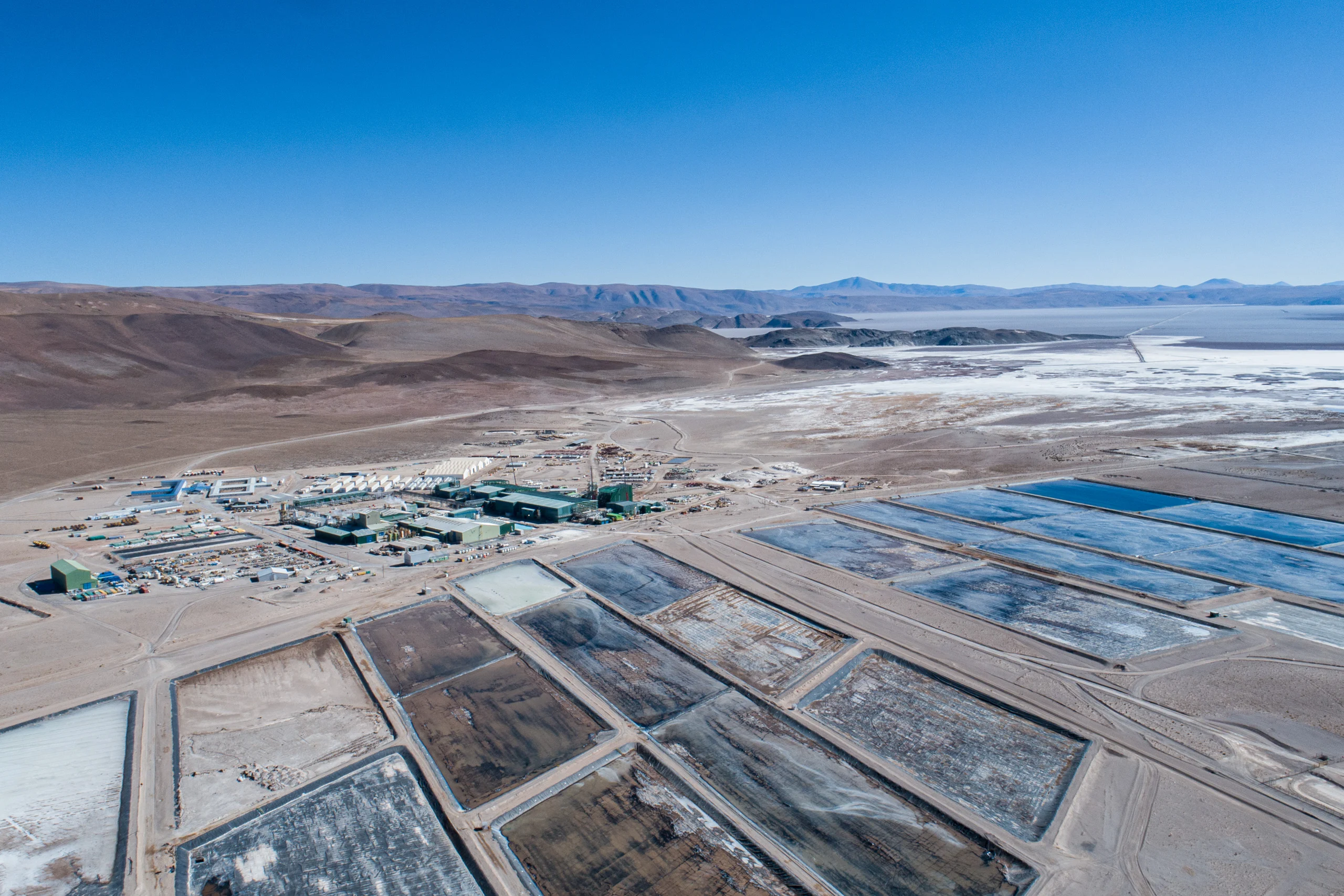
The deal covers exploring and developing five lithium-brine blocks in Catamarca. This province in northwest Argentina is known for its salt flats and lithium production.
The investment for this exploration pact is ₹2 billion, about US$21 million. This money covers studying and developing the blocks, not building a full mine.
KABIL has reported no operating revenue for the last three years. That is because it is still in the exploration stage.
This shows how hard these overseas projects are financially. Catamarca has offered KABIL seven additional lithium brine blocks under the same deal.
Greenfield means untouched land, so these are brand-new developments, not expansions. KABIL is now checking these seven blocks, according to the sources.
The commercial terms for these blocks are not stated. So no numbers are known yet.
It was India’s first lithium exploration and development agreement anywhere in the world. It marked India’s entry into Latin America’s lithium triangle.
The five blocks include four called Cortadera and one numbered Cateo-2022-01810132. Together, they cover about 15,703 hectares.
If KABIL accepts them, its land in Catamarca would almost triple. But checking the offer means the deal is not final.
Argentina’s lithium triangle includes Catamarca and other provinces. KABIL is also talking about two lithium projects in Jujuy, which is next door.
In Salta, Reuters says KABIL is working on a first-step agreement with the local mining ministry. That deal is not final yet.
These talks are active, but they do not show how much KABIL would own or pay. They matter less than the 2024 CAMYEN agreement.
Reuters says KABIL hopes to start lithium extraction in Argentina in four to five years, after study work. This comes from a government report, not a company promise.
The same report says first production may start in December 2030. That is one year later than the old goal of September 2029.
Before that, KABIL must finish studies and get more approvals. It may also need to change the deal terms if the market shifts.
In mining, timelines often move back, especially when they are plans, not guarantees. The report also noted money limits and skill gaps in India’s overseas mining push, so nothing is sure yet.
The seven-block expansion in Catamarca
Beyond Catamarca: Jujuy and Salta
Why the 4-5 year timeline is soft
Why this matters for Latin America
For anyone living in or invested in Latin America, this is a signal of shifting demand. India is the world’s third-largest oil importer and a growing consumer of batteries for electric vehicles and electronics, and it’s looking to Latin America to secure lithium outside China’s supply chain.
Argentina, Chile, and Bolivia form the so-called ‘lithium triangle’ that holds more than half of the world’s known lithium resources, and Argentina’s Catamarca, Jujuy, and Salta provinces are at the heart of it.
If KABIL moves from exploration to production, it would add a new buyer of Argentine lithium, potentially boosting provincial royalties and foreign investment in a country that needs both. But the project’s timeline is soft, and the financial stress of KABIL — no revenue for three years — could slow things further.
For now, the five blocks are signed, the seven more are on the table, and the four-to-five-year date is a hope, not a promise.
More: Argentina news in English, every day from The Rio Times.
Frequently Asked Questions
What is KABIL’s confirmed lithium deal in Argentina?
In January 2024, KABIL signed an agreement with Argentina’s state-owned CAMYEN for exploration and development of five lithium blocks in Catamarca province, with an investment of ₹2 billion (about US$21 million).
When will KABIL start producing lithium in Argentina?
KABIL expects to start extracting lithium within four to five years, according to a parliamentary panel report cited by Reuters. But this is an expectation, not a binding schedule — feasibility studies and approvals are still pending. The panel says first production has slipped to December 2030.
Is KABIL expanding beyond its five Catamarca blocks?
Yes. Catamarca has offered KABIL seven additional greenfield lithium brine blocks, which KABIL is evaluating. Commercial terms for those blocks are not yet public.
What other Argentine provinces is KABIL involved in?
KABIL is in discussions for two lithium projects in Jujuy. In Salta, it is in the process of signing a preliminary agreement, but that is not yet a signed deal.
Connected Coverage
Chile Opens Its Pacific Ports to Argentina’s Mining Boom
Argentina’s Glacier Law Reform Unlocks $40 Billion Mining Pipeline — and a Constitutional War
Argentina’s Mining Exports Surge on Gold Prices, Lithium Output
Sources: India’s state-owned KABIL expects to start lithium …; Empresa estatal india KABIL prevé iniciar producción de liti; India’s Overseas Critical Mineral Push Faces Funding and …; KABIL weighs 9 more lithium opportunities in Argentina …; Why India is struggling to acquire critical mineral assets .
This article was produced by The Rio Times’ automated newsroom system. How we use AI · Report an error
Read More from The Rio Times