India Turns to Latin America for Lithium to Escape China’s Grip
Latin America · Mining
Key Facts
- KABIL cleared India’s state miner KABIL won environmental clearance for Argentine lithium brine blocks in April 2026. Production is not expected before 2029.
- Coal India venture Coal India launched a 2026 Chile venture to explore lithium and copper. It marks a rare public-sector entry into South American critical minerals.
- Regional reserves Latin America holds roughly 60% of global lithium reserves and nearly 40% of copper reserves. Chile and Argentina are central to both.
- Import dependence India’s lithium demand is met entirely through imports. There is no domestic production and limited refining capacity.
- China hedge The push is designed to reduce exposure to China-dominated refining and processing supply chains. It is not just about raw ore sourcing.
- Diplomacy tools India is pursuing trade agreements and mineral MoUs with resource-rich Latin American countries. The goal is to diversify its critical mineral basket.
The real prize isn’t just digging ore out of the ground. It’s who controls the refining and processing that turns rock into batteries.
India’s moves signal a shift from buying spot cargoes to locking in long-term partnerships. That changes the negotiating power of Chile and Argentina.
If you live in Latin America — or have money tied up in its mining sector — you’re about to see a new buyer walk into the room. India’s Latin America mineral push is no longer a diplomatic talking point.
It’s a concrete strategy with state-backed companies, environmental permits, and exploration ventures already in motion.
For decades, the region’s lithium and copper went mostly to China, the United States, and Europe. Now India is signaling it wants a permanent seat at the table.
That has implications for prices, contracts, and infrastructure investment from the Atacama Desert to the Salta salt flats.
Why India is showing up now
India’s lithium demand is still met entirely through imports. Its copper needs are growing as the country electrifies its vehicle fleet and expands renewable energy.
But the real driver is supply-chain anxiety. China controls a dominant share of global mineral refining and processing.
Even if India buys raw lithium from Australia or Africa, it still depends on Chinese processors to turn that ore into battery-grade material. That’s a strategic vulnerability New Delhi is trying to unwind.
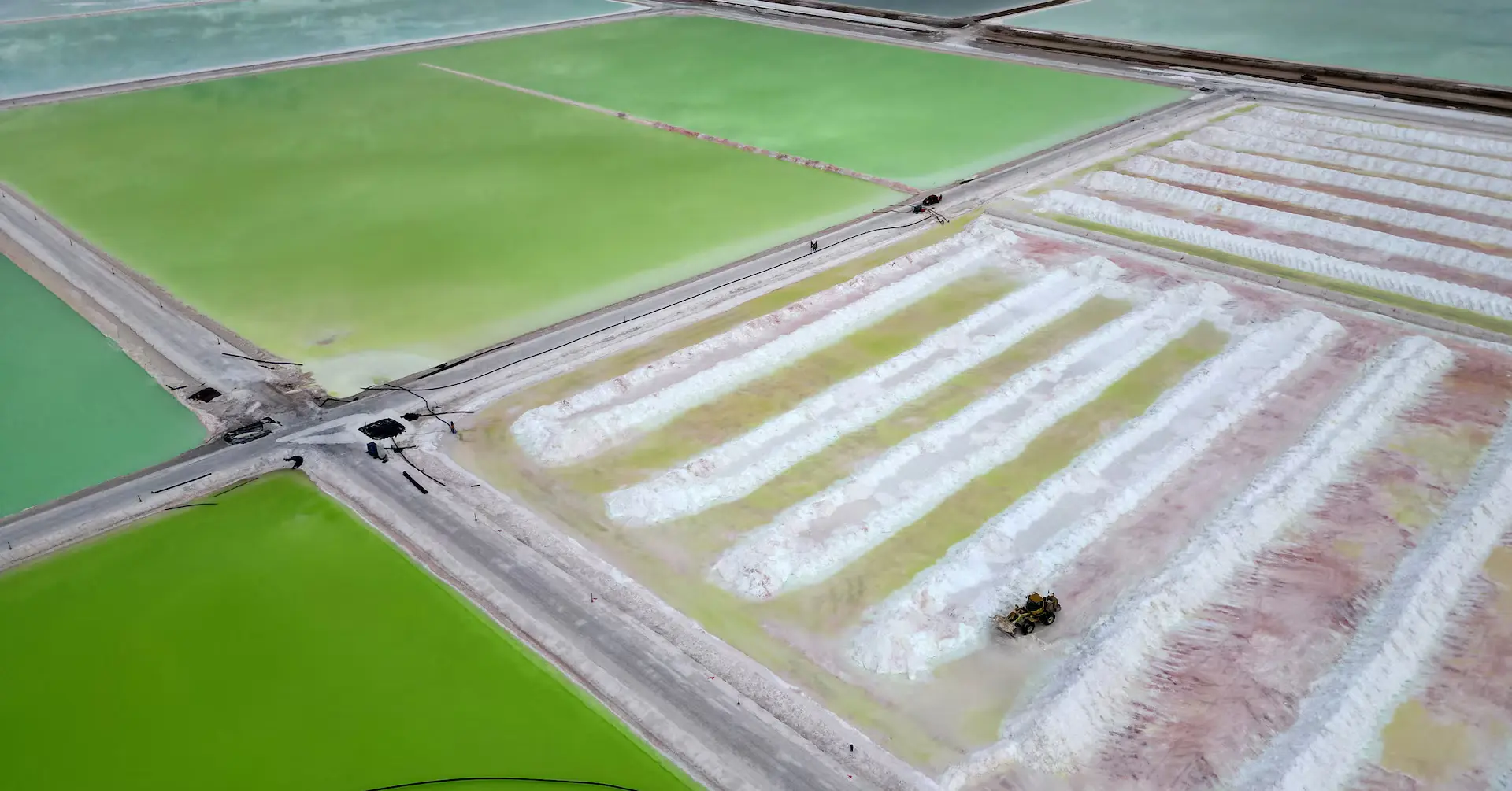
Latin America offers a shortcut. The region holds roughly 60% of the world’s lithium reserves and nearly 40% of its copper reserves.
Chile and Argentina sit at the center of the so-called Lithium Triangle.
India’s approach is to skip the spot market and build long-term relationships. It uses government-to-government deals, equity stakes, and state-enterprise ventures.
These give it preferential access to both raw ore and future processing capacity.
India’s Latin America mineral push: the deals on the table
The clearest sign of intent came in April 2026. KABIL — India’s state-owned mineral exploration company — received environmental clearance for lithium brine blocks in Argentina.
That doesn’t mean lithium will flow immediately. Production is not expected before 2029, and brine projects are notoriously slow to scale.
But the clearance is a regulatory milestone. It moves the project from paperwork to drilling.
KABIL had already secured exploration rights in those blocks. The environmental nod is the final major hurdle before development work begins.
Chile is the other pillar. Coal India, the state coal giant, launched a 2026 venture in Chile to explore critical minerals, including lithium and copper.
That’s a notable departure for a company better known for thermal coal than battery metals. Chile is also a top global copper supplier and already a significant source of lithium for India.
The venture is designed to deepen existing trade ties rather than start from scratch. India has been pushing for a trade agreement with Chile.
The mining venture is part of a broader diplomatic package. It includes investment in infrastructure and technology transfer.
What this means for Latin American producers
For Chile and Argentina, India represents a diversification opportunity. It’s a way to reduce their own dependence on Chinese buyers, who have historically dominated lithium and copper purchases.
But there’s a catch. Latin America has strong mining output but limited refining capacity.
Most of its lithium and copper leaves as raw material.
India’s interest is not just in buying that raw ore. It wants to build upstream and midstream links that could eventually include refining and processing facilities in the region.
That would be a bigger economic win for local governments. But it also requires capital, technology, and time.
There’s also a geopolitical dimension. India is not asking Latin American countries to choose sides between Beijing and New Delhi.
Its presence gives those governments more leverage in negotiations with Chinese firms. When you have two large buyers competing for your lithium, you can push for better terms on royalties, local content, and environmental standards.
That’s a subtle but real shift in power dynamics. The region has often been a price-taker in global mineral markets.
The limits of the strategy
It’s worth keeping expectations in check. KABIL’s Argentine project won’t produce lithium until after 2029.
Coal India’s Chile venture is at the exploration stage, not the production stage. India’s broader goal is to diversify imports across Latin America, Africa, and Australia through free-trade agreements and strategic partnerships.
That’s a multi-year, if not multi-decade, project. The refining bottleneck remains the biggest obstacle.
Even if India secures raw lithium from Argentina, it still needs to build its own processing capacity. Or it must find non-Chinese refiners.
That infrastructure doesn’t exist yet.
For now, the most tangible effect is on deal-making. India’s state companies are signing MoUs, securing exploration rights, and getting environmental permits.
All these steps create a pipeline of future supply. The region’s mineral wealth is real.
Converting it into Indian battery supply chains will require sustained investment and regulatory stability. It also requires a willingness to take on long payback periods.
That’s not a given. But the direction of travel is clear.
More: Bolivia news in English, every day from The Rio Times.
Frequently Asked Questions
When will Indian companies actually produce lithium in Latin America?
KABIL’s Argentine project received environmental clearance in April 2026. Production is not expected before 2029.
Coal India’s Chile venture is still in the exploration phase. Commercial output is likely several years away.
Why does India need Latin American lithium if it already imports from Australia?
India’s lithium demand is met entirely through imports. Australia is a major supplier.
India wants to reduce dependence on any single country or region. Latin America offers both large reserves and an opportunity to build refining and processing partnerships that go beyond raw ore purchases.
Does this mean China is being pushed out of Latin American mining?
No. China remains a dominant buyer and investor in the region.
India’s entry gives Latin American governments more options and negotiating leverage. It does not replace Chinese capital or demand.
The two countries are likely to coexist as competing buyers. One is not displacing the other.
Connected Coverage
- Copper and Lithium Anchor the Chile-US Minerals Alliance
- Chile Markets: IPSA & the Peso — August 11, 2026
- Chile Markets: IPSA & the Peso — August 7, 2026
Sources: Reuters, The Hindu, Mining.com, Bloomberg Línea, Diario Financiero
This article was produced by The Rio Times’ automated newsroom system. How we use AI · Report an error
In depth
Read More from The Rio Times