How Ukraine’s allies are trying to seize Russian assets for reconstruction
By Jonathan Browning
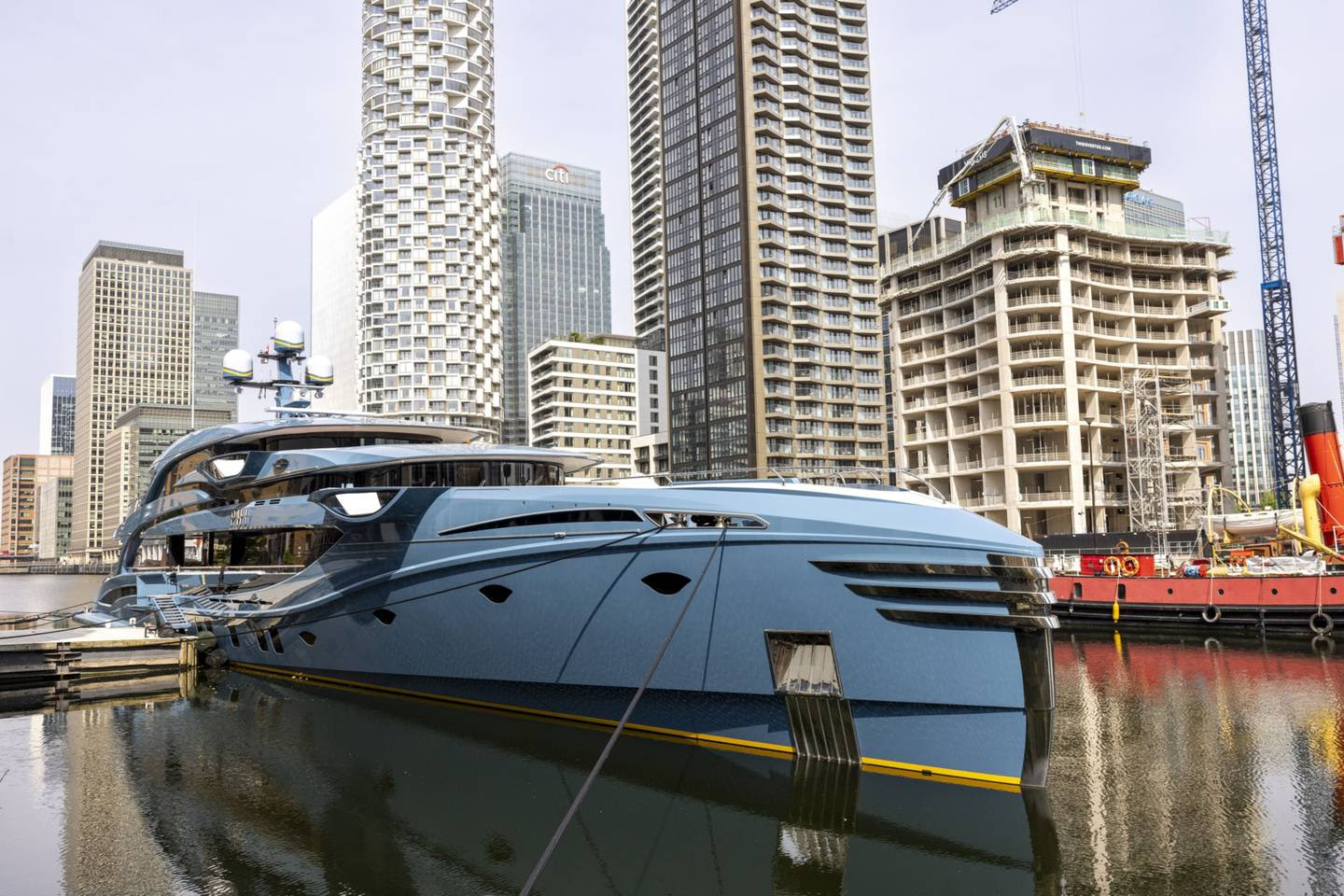
A few weeks after Russia invaded Ukraine, then-British Transport Minister Grant Shapps showed on TikTok a nearly 60-meter superyacht belonging to a Russian tycoon, the Phi, that had been seized from a London dock.
The action illustrated the Western move to stifle the Russian economy and its wealth with sanctions.
However, Shapps could not board the ship because, as British law indicates, the UK had not seized it but frozen the status to ensure its owner could not use it either.

That is also the situation with hundreds of billions of dollars in sanctioned Russian assets that, if effectively seized and sold by Western governments, could help pay for the reconstruction of Ukraine.
- WHAT IS THE DIFFERENCE BETWEEN FREEZING AND SEIZING?
Freezing an asset means it cannot be used, moved, or sold, but its legal ownership does not change.
Seizing an asset – whether a vehicle linked to drug trafficking or a superyacht owned by a sanctioned oligarch – transfers ownership to the seizing authority, which can use or sell it.
2. WHAT RUSSIAN ASSETS HAVE BEEN FROZEN?
Shortly after Russia invaded Ukraine, the United States and its allies froze some US$300 billion in Russian central bank assets held in non-Russian financial institutions.
Sanctions imposed on prominent Russian individuals have frozen an estimated $58 billion in assets, including homes, yachts, and private planes.
3. HOW MUCH HAS BEEN SEIZED?
Relatively little.
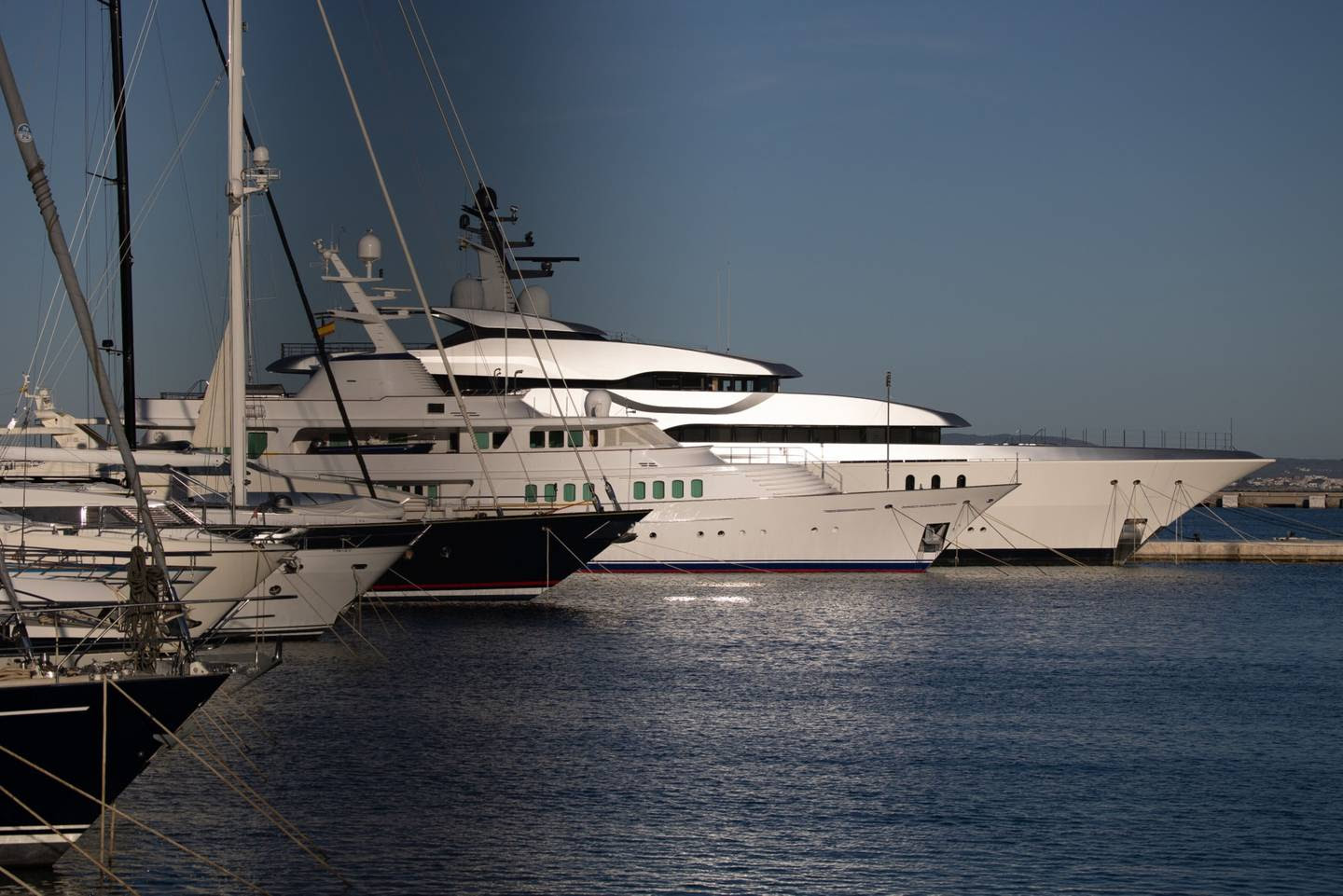
The yachts of Russian billionaires Suleiman Kerimov and Viktor Vekselberg were seized in Fiji and Spain, respectively, in 2022 by local law enforcement at the request of US authorities.
The US Office of Foreign Assets Control designated Kerimov as part of a group of oligarchs who benefited from Russian government corruption.
Velsekberg’s yacht, Tango, valued at US$99 million, was linked to alleged bank fraud, money laundering, and sanctions violations.
The US has also seized homes belonging to Kerimov, Vekselberg, and another Russian billionaire, Oleg Deripaska, bringing the total value seized to about US$635 million, according to Forbes.
The amounts represent only a fraction of their estimated wealth.
Vekselberg, for example, was worth US$7.1 billion as of May 26, according to the Bloomberg Billionaires Index.
4. WHY HAVEN’T MORE SANCTIONED RUSSIAN ASSETS BEEN SEIZED?
Respect for private property is a pillar of modern societies’ laws and international relations.
Many countries allow the seizure of assets proven to be the proceeds of crime, with a very high bar to prove it in court.
Investigators tasked with building a case often get lost in a maze of shell companies and offshore trusts that oligarchs use to hide their control of trophy assets.
Moreover, using sanctions to cover up asset seizures is problematic because they are temporary measures to force a desired outcome.
Even governments that simply freeze assets can face legal complications:
The owner of the Russian yacht featured in the TikTok video of the former UK Transport Minister sued the UK Department for Transport to lift the freeze and sought damages.
5. WHY IS FREEZING NOT ENOUGH?
For a start, it does not always put assets beyond the reach of their owners.
The UK government has flagged 230 sanctions violations related to the continued use or movement of frozen assets.
It has yet to announce a single charge against anyone, let alone a financial penalty.
In addition, governments may end up paying for the maintenance of frozen assets, especially yachts.
For example, British taxpayers have been paying for the upkeep of the yacht docked in London.
And only by taking ownership of the assets will Ukraine’s allies be able to sell them to help rebuild Ukraine’s shattered infrastructure, an effort expected to cost hundreds of billions of dollars.
6. WHAT IS THE STATUS OF EFFORTS TO SELL SEIZED ASSETS TO HELP UKRAINE?
In the middle of this year, the Canadian government granted itself the power to seize assets from sanctioned individuals or entities.
In the first attempt to use the law, the government said in December that it would seek US$26 million from Granite Capital Holdings Ltd, a company owned by sanctioned Putin ally Roman Abramovich and that the money would be used “for the reconstruction of Ukraine and compensation to the victims of the Putin regime’s illegal and unjustifiable invasion.” Legal proceedings in this regard have not yet begun.
The US Congress passed a measure in late 2022 allowing the seizure of Russian-held assets to benefit Ukraine, albeit only in certain cases.
In February, Attorney General Merrick Garland authorized the first seizure of US$5.4 million from a Denver bank account of sanctioned Russian oligarch Konstantin Malofeev.
The EU has discussed adding sanctions evasion to the list of offenses, such as money laundering and corruption, that can result in the seizure of assets of sanctioned individuals or entities.
The UK has sought legal advice on asset seizure without breaching international standards.
One suggestion from a think tank is to use ideas from other jurisdictions where the standard of proof is lower.
The Italian anti-mafia code, for example, allows authorities to designate an owner as a “danger to society” to help them seize assets belonging to mafia members.
German Chancellor Olaf Scholz has been skeptical, saying that seizing assets is legally problematic and would not raise much money anyway.
7. ARE THERE PRECEDENTS FOR SEIZING FROZEN ASSETS?
Following the 2003 invasion of Iraq and the overthrow of leader Saddam Hussein, US President George W. Bush ordered the seizure of US$1.7 billion of Iraqi funds deposited in US banks, part of which went to pay the salaries of Iraqi government employees.
In 1996, the US seized Cuban funds and used them to help compensate the families of three Americans killed when the Cuban military shot down their planes.
*With reporting by Daniel Flatley and Brian Platt.
With information from Bloomberg
World News, English news World, Ukraine allies
Editorial responsibility: Matthias Camenzind, Editor-in-Chief · Editorial standards · Report an error