Habib’s debt protection shields $58 million from creditors
Company News · Brazil
Key Facts
—The ruling. A São Paulo court granted precautionary protection and suspended collections against the group for 60 days.
—The group. Grupo Gennius controls Habib’s, Ragazzo, Tendall Grill and related brands.
—The debt. Liabilities total R$312.4 million (about US$58 million), of which more than R$300 million is owed to banks.
—The reach. The order covers 174 companies linked to the conglomerate, from holdings to central kitchens and company-owned stores.
—The judge. Judge Jomar Juarez Amorim, of São Paulo’s 1st Bankruptcy and Judicial Reorganization Court, accepted the case.
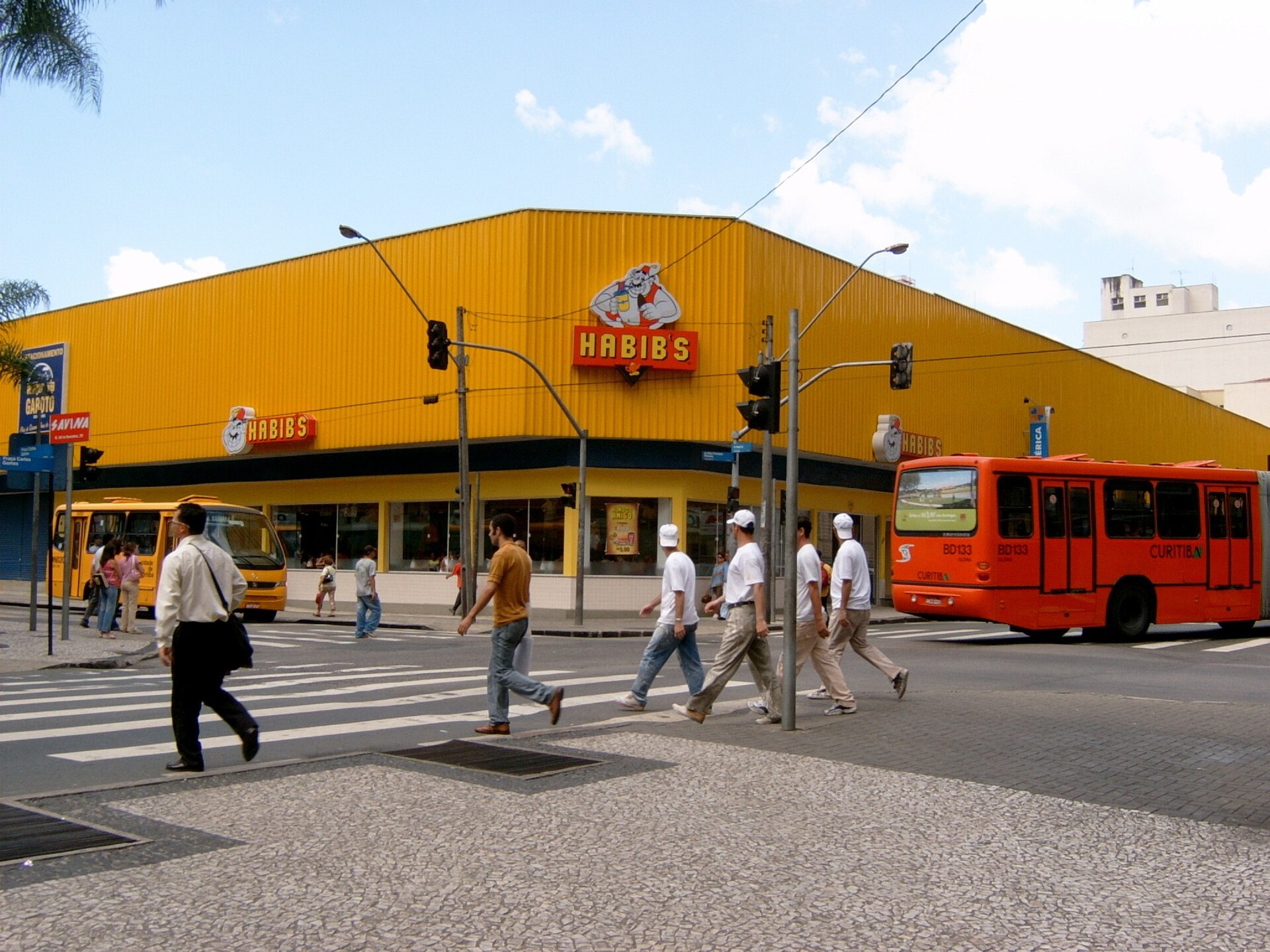
Grupo Gennius, the owner of the Habib’s and Ragazzo fast-food chains, has won court protection that suspends debt collection for 60 days while it tries to renegotiate R$312.4 million (about US$58 million) in liabilities.
A Shield While the Debt Is Renegotiated
The decision gives Grupo Gennius a 60-day window in which creditors cannot pursue collection. It is a precautionary step that often precedes a formal judicial reorganization filing in Brazil.
The court also barred suppliers from cutting essential inputs over old debts, provided new orders are paid upfront. That keeps the restaurants operating while talks proceed.
In plain terms, a precautionary protection like this one is a legal breathing spell. It does not cancel what is owed, but it freezes enforcement actions so a company can negotiate with creditors without the immediate threat of asset seizures or service cutoffs.
For a restaurant group, that continuity is vital: if a central kitchen loses access to flour or cooking gas, the whole network can stall within days.
Brazil’s judicial reorganization law allows this kind of preliminary relief precisely to preserve the value of a business while a lasting solution is crafted. The logic is that a functioning company is worth more to creditors than one dismantled piece by piece.
The Numbers Behind the Distress
The group’s liabilities reach R$312.4 million, roughly US$58 million, with more than R$300 million owed to banks. The protection extends across 174 affiliated companies.
That structure spans holdings, central kitchens and company-owned outlets. Shielding the whole chain at once is meant to preserve the operating network as a going concern.
For a foreign reader, it helps to understand that a Brazilian corporate group of this size is often organized as a web of separate legal entities. One company may own the brand, another may run the factory that produces frozen dough, and dozens more may hold individual store leases.
By covering all 174 entities, the court order aims to prevent a domino effect where a single creditor action against one unit could disrupt the entire supply chain.
The concentration of debt with banks also matters. Bank creditors in Brazil are typically secured and have strong legal tools to recover funds. That makes the negotiation particularly delicate, because any restructuring plan will need to satisfy lenders who hold the vast majority of the claims.
How a Household Brand Got Here
Grupo Gennius attributes the crisis to the pandemic’s hit to retail between 2020 and 2022 and to changing habits as delivery apps reshaped fast food. It also cites high interest rates and a rising cost of capital.
Habib’s, known nationwide for low-cost esfihas, and the Ragazzo chain remain widely present in Brazil. The filing is about balance-sheet repair rather than an operational shutdown.
The story of Habib’s is intertwined with Brazil’s recent economic history. The brand built its identity on affordability, serving esfihas — small, open-faced meat pastries of Middle Eastern origin that became a Brazilian street-food staple — at prices accessible to working-class families.
That value proposition made it one of the country’s largest fast-food networks, but it also meant thin margins even in good times. When the pandemic forced dining rooms to close and later when delivery platforms began charging commissions that ate into those margins, the financial strain deepened quickly.
Brazil’s benchmark interest rate, the Selic, has also been elevated for an extended period, making the cost of servicing bank debt far heavier than it was when many of those loans were originally contracted. For a group that carries over R$300 million in bank obligations, even a few percentage points of additional interest can translate into tens of millions of reais in extra annual costs.
What to Watch Next
The key question is whether the 60-day pause yields a negotiated restructuring or tips into a full judicial reorganization. Bank creditors, holding most of the debt, will shape the outcome.
For Brazil’s franchised food sector, the case is a marker of post-pandemic strain and delivery-era margin pressure. Others carrying heavy bank debt will be watching the terms.
Another open question is how franchisees — the independent operators who run many Habib’s and Ragazzo locations under license — will be affected. The court order covers company-owned stores and central kitchens, but the broader network includes hundreds of franchised outlets that depend on the same supply infrastructure.
Whether their interests align with those of the banks will be an important subplot in the weeks ahead.
The case also raises a broader question for Brazil’s food-service industry: can the low-cost, high-volume model that defined chains like Habib’s survive in an environment where delivery apps capture a growing share of each order and capital is no longer cheap? The answer will likely emerge not just from this courtroom, but from how competitors and suppliers adjust their own strategies in response.
More: Brazil news in English, every day from The Rio Times.
Sources
Connected Coverage
Colombia’s Siigo Raises US$103.5 Million to Fund Regional Expansion
Banorte Weighs Another Run at Banamex as Citi Reshapes the Sale
Sources: São Paulo's 1st Bankruptcy and Judicial Reorganization Court; Judge Jomar Juarez Amorim; Grupo Gennius.
This article was drafted with automated assistance and reviewed before publication. How we use AI · Report an error · Editorial responsibility: Matthias Camenzind, Editor-in-Chief
Brazil runoff, Sunday, October 25: Brazil runoff date. Latest: Brazil runoff polls, Flávio 51%, Lula 49%.
Frequently Asked Questions
What protection did Habib’s owner receive?
A São Paulo court granted Grupo Gennius precautionary protection that suspends debt collection for 60 days across 174 affiliated companies while it renegotiates its debt.
How much does Grupo Gennius owe?
The group’s liabilities total R$312.4 million (about US$58 million), of which more than R$300 million is owed to banks.
Are Habib’s and Ragazzo closing?
No. The measure is aimed at renegotiating debt; the court kept suppliers in place for upfront-paid orders, so the chains continue operating.