Fueling Change: Nigeria’s Shift from Importer to Exporter in the Global Oil Market
By December 2024, Nigeria is set to redefine its role in the global oil economy, transitioning from a major importer to a net exporter of petroleum products.
Under Mele Kyari’s leadership, the Nigerian National Petroleum Company Limited (NNPCL) is significantly enhancing the nation’s refining capacity.
Central to this transformation are the revivals of the Port Harcourt, Warri, and Kaduna refineries.
The Port Harcourt refinery, with a major $1.5 billion investment, is leading the charge, poised to begin operations by August 2024.
They have scheduled the subsequent relaunches of the Warri and Kaduna refineries for later in the year. This marks a historic upgrade in national infrastructure.
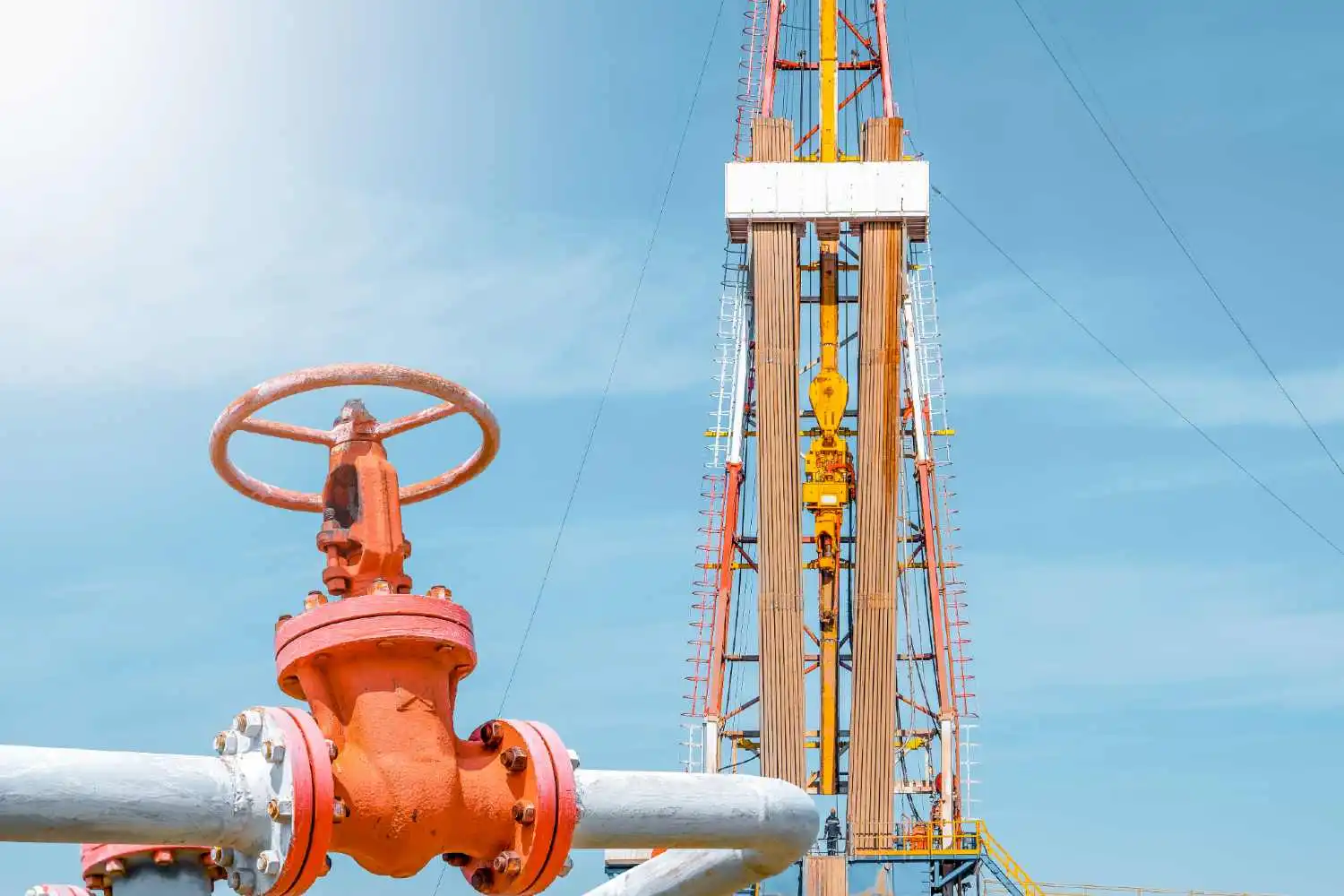
The implications of these developments extend beyond mere production statistics. Nigeria aims to stabilize domestic fuel prices.
They pursue this goal by reducing the heavy financial outflow tied to importing refined products and conserving foreign exchange reserves.
This strategic shift is expected to ripple through the economy, potentially lowering the cost of petroleum domestically.
This would occur by cutting out expenses linked to importation, such as shipping and port fees.
Additionally, the operational refineries will contribute to Nigeria’s economic resilience by ensuring a steady supply of petroleum products.
However, this will help mitigate the volatility often caused by external market fluctuations.
This effort aligns with broader governmental reforms, including the phasing out of fuel subsidies and fostering conditions favorable for private investments in the energy sector.
By ending its reliance on imported fuel, Nigeria not only aims to bolster its economic sovereignty but also positions itself as a key player in the global oil market.
This ambitious plan underscores the nation’s commitment to leveraging its vast oil resources for sustainable growth and enhanced economic stability.
More: Nigeria news in English, every day from The Rio Times.
This article was produced by The Rio Times’ automated newsroom system. How we use AI · Report an error · Editorial responsibility: Matthias Camenzind, Editor-in-Chief
Part of our ongoing coverage
Africa: The New Scramble — the great-power contest over the continent.