Peru’s Oil Union Challenges Petroperú Over US$1.7 Billion in Obligations
Peru · Energy
Key Facts
- Pending obligations Fenpetrol flags S/6,093.5 million (about US$1.7 billion) in unresolved state claims against Petroperú as of December 2025.
- Amazon tax credit The largest item is S/3,112 million (about US$865 million) for the Amazon region fiscal credit.
- Talara VAT recovery A further S/1,863 million (about US$518 million) relates to early VAT recovery from the Talara refinery modernization.
- Government backstop Peru maintains a financial support line of up to US$2 billion for Petroperú through December 31, 2026, under DU 003-2026.
- Union challenge Fenpetrol demands a review of ProInversión’s role and the restructuring measures, citing no verifiable gains in efficiency or governance.
- Other items The total also includes S/450 million (about US$125 million) for ONP pension transfers, S/408 million (about US$113 million) for Norperuano pipeline remediation, and smaller sums for privatized units, well abandonment, and military fuel supply.
The real fight isn’t just about numbers on a balance sheet. It’s about who controls Peru’s state oil company.
It’s also about whether a politically sensitive restructuring can survive public scrutiny. For anyone watching Latin America’s energy sector, this is a test case.
It shows how governments balance fiscal discipline with union and regional pressure.
If you follow Peru’s energy sector, you’ll want to understand this. You might also hold exposure to its state-owned companies.
Petroperú’s obligations are suddenly a political flashpoint. The oil workers’ federation Fenpetrol is challenging the government’s “change of course” at the state oil company.
It demands a review of more than S/6 billion (about US$1.7 billion) in pending obligations. That’s not a small line item.
It’s a stack of claims touching everything from Amazon tax credits to refinery VAT recovery. It also includes pension transfers and pipeline cleanup costs.
This comes when the government has already pledged a US$2 billion backstop. That support keeps Petroperú afloat through the end of 2026.
What Fenpetrol is Actually Asking For
Fenpetrol isn’t just waving a list of demands. It’s pointing to a specific figure: S/6,093.5 million (about US$1.7 billion) in obligations.
It says Petroperú still owes this as of December 2025. The federation wants these reviewed.
It also wants a second look at ProInversión’s involvement in the restructuring. That’s the private investment agency the government brought in to help steer the turnaround.
The union’s core complaint is simple. The intervention hasn’t delivered anything you can measure.
There are no clear gains in efficiency. There are no governance improvements.
No financial performance stands up to scrutiny. In other words, Fenpetrol is saying: show us the results.
Or explain why the change of direction was worth it.
The Breakdown Behind the Bill
Here’s where the numbers get concrete. The biggest chunk is S/3,112 million (about US$865 million) for the Amazon tax credit.
That’s a fiscal incentive designed to support economic activity in Peru’s Amazon region. Next is S/1,863 million (about US$518 million) for early VAT recovery.
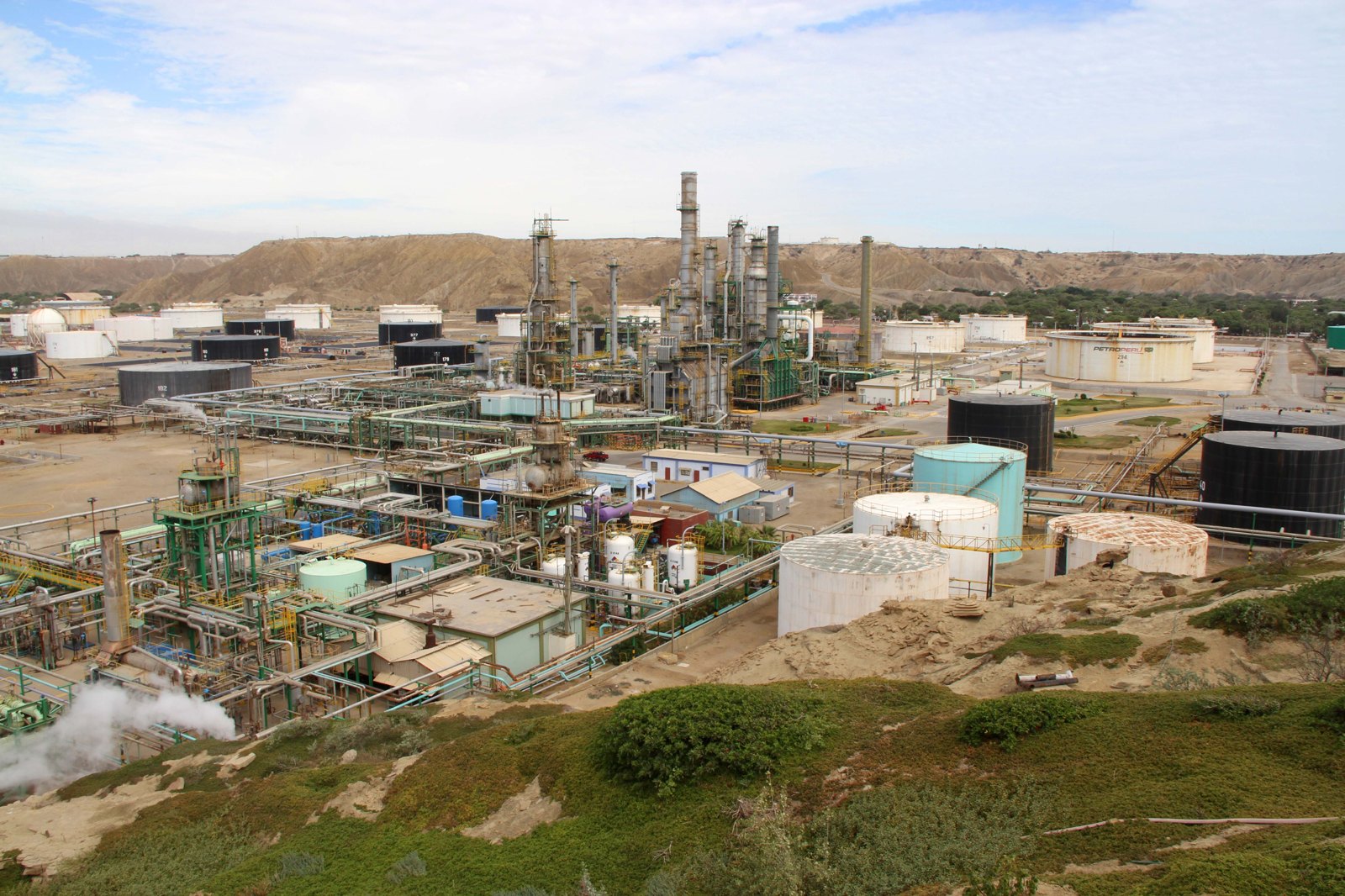
That’s tied to the Talara refinery modernization project. That’s the massive upgrade that was supposed to turn the refinery into a regional export hub.
It has also become a financial drain.
Beyond those two headline items, the list includes S/450 million (about US$125 million) for transfers to the ONP pension fund. That’s under the DL 20530 regime.
It also includes S/408 million (about US$113 million) for environmental remediation. That’s linked to shutdowns on the Norperuano pipeline.
There’s S/200 million (about US$56 million) for cleanup at privatized units. There’s S/15 million (about US$4.2 million) for technical well abandonment.
And there’s S/45.5 million (about US$12.6 million) for fuel supplied to the Armed Forces. Each of these is a claim that someone — likely the state — needs to settle.
Why This Matters for You
If you live in or invest in Latin America, this is more than a domestic squabble. Petroperú is a bellwether for how governments handle state-owned energy companies.
These firms are too big to fail but too politically sensitive to restructure quietly. The US$2 billion backstop under DU 003-2026 is a clear signal.
The government is willing to keep the company alive. But at what cost, and with what accountability?
For expats and nomads in Peru, the ripple effects could show up in fuel prices. They might also appear in tax policy or the sol’s stability.
That’s if the government has to keep injecting cash. For investors, the question is whether this backstop is a bridge to real reform.
Or it’s just a way to delay the inevitable. Fenpetrol’s push for a review suggests the political consensus is fragile.
That’s exactly the kind of uncertainty markets dislike.
Petroperú’s obligations: A Test of Political Will
Petroperú’s obligations are not just a financial footnote. They’re a test of whether Peru’s government can balance fiscal prudence with social pressures.
Those pressures come with a state oil company. Fenpetrol’s demand for a review isn’t just about the money.
It’s about who gets a say in how the company is run. The union is effectively arguing that the current path hasn’t earned its keep.
That path includes ProInversión in the mix and a restructuring underway.
The government, for its part, has set a clear timeline. The US$2 billion backstop runs through December 31, 2026.
That gives Petroperú only a few months — until year-end — to show it can operate without endless state support. Whether Fenpetrol’s challenge gains traction will depend on the union’s ability to turn its list into a broader political argument.
It will also depend on whether the government can defend its “change of course” with more than promises.
More: Peru news in English, every day from The Rio Times.
Frequently Asked Questions
What is Fenpetrol’s main complaint against Petroperú?
Fenpetrol says the restructuring hasn’t produced verifiable results. That includes efficiency, governance, or financial performance.
It’s asking for a review of more than S/6,093.5 million (about US$1.7 billion) in pending obligations. It also wants a re-examination of ProInversión’s role in the process.
How much government support is Petroperú receiving?
The government has a financial backstop of up to US$2 billion for Petroperú under DU 003-2026. That’s valid through December 31, 2026.
This is meant to ensure liquidity and operational continuity while the restructuring plays out.
What are the biggest items in the obligations Fenpetrol is flagging?
The two largest are S/3,112 million (about US$865 million) for the Amazon tax credit. The second is S/1,863 million (about US$518 million) for early VAT recovery from the Talara refinery modernization.
The rest includes pension transfers, pipeline remediation, and fuel supply to the military.
Connected Coverage
Sources: Fenpetrol; La República; DU 003-2026; LP Derecho, August 2026.
This article was produced by The Rio Times’ automated newsroom system. How we use AI · Report an error
Read More from The Rio Times