Europe’s Battle with Overtourism: A Crisis at Every Corner
Europe leads as the most visited continent, attracting millions annually. Yet, this popularity fuels local discontent as cityscapes morph into tourist havens.
Venice epitomizes this struggle. Home to about 49,000 locals, it reels in under 20 million tourists a year.
Residents now take drastic measures, like squatting in apartments, to protest a tourism-induced housing crisis with rents soaring and homes turning into vacation spots.
The issue spreads across Barcelona, Lisbon, Prague, and Amsterdam, where locals grapple with similar woes: rental spikes, overpriced properties, vanishing local shops, and environmental strain.
Tourism, a significant economic engine, drives about 10% of the EU‘s GDP and supports 12.3 million jobs.
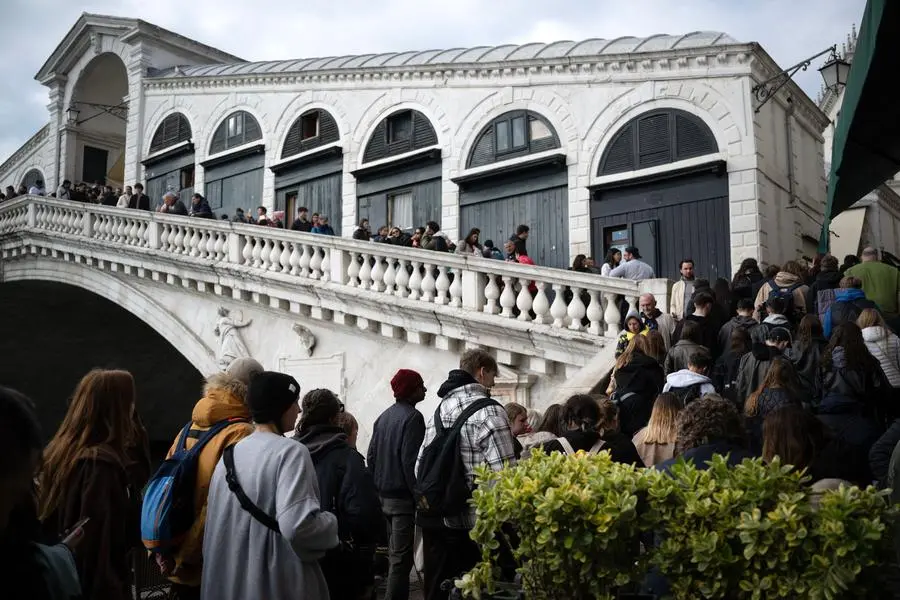
Yet, this prosperity doesn’t trickle down to residents facing inflated living costs and exclusion from their neighborhoods.
Sebastian Zenker from Copenhagen Business School critiques this imbalance, emphasizing the need for real benefits for residents amid rising costs.
Few locals reap substantial benefits from tourism. In countries like Italy, where there is no minimum wage, economic disparities persist.
Economic Impact and Tourism Regulations
In Portugal and Spain, minimum wages are approximately 4.85 and 6.87 euros per hour, respectively.
In addition, large corporations in airlines and hotels dominate the profits, leaving scraps for local economies.
Cruise ships, for example, largely bypass local businesses, with passengers eating and sleeping onboard, contributing to pollution and resource depletion without spending much locally.
As resistance mounts, cities are clamping down. Amsterdam has banned new hotels and curtailed drug and party tourism.
Lisbon and Palma de Mallorca are halting new short-term rental licenses, combating rental market distortions.
Barcelona plans to phase out 10,000 holiday rental licenses by 2028 to cool off an overheated rental market. Further, the cruise industry faces tighter controls.
Since 2021, Venice has barred large cruise ships from its center to cut down on pollution and overcrowding. Amsterdam aims to implement similar restrictions by 2026.
In short, the push for “quality tourism” aims to attract wealthier tourists who presumably spend more, yet this could unintentionally widen social divides.
Macià Blázquez-Salom warns that catering to affluent visitors could intensify gentrification and price locals out of their own cities.
This article was drafted with automated assistance and reviewed before publication. How we use AI · Report an error
Read More from The Rio Times