EU Warns U.S.: Big Tech Faces Retaliation Amid Escalating Trade Dispute
The European Union has delivered a clear message to the United States: failure to resolve ongoing trade tensions could lead to serious consequences for American technology giants.
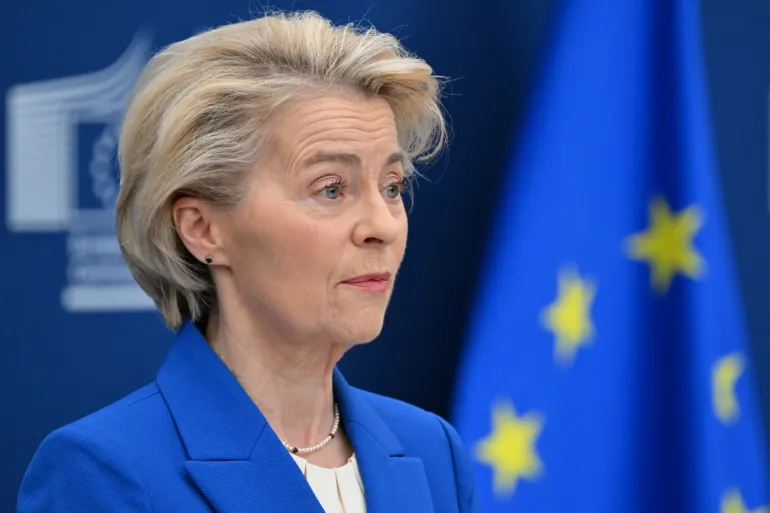
Ursula von der Leyen, President of the European Commission, announced that the EU is prepared to impose taxes on companies like Meta and Google if negotiations with President Donald Trump’s administration fail during the current 90-day truce on tariffs.
The dispute began when Trump imposed steep tariffs on EU steel and aluminum exports, citing trade imbalances as justification. The EU, however, views these actions as unjustified economic aggression.
Brussels initially paused its planned retaliatory measures but warned that it would not hesitate to act if talks collapse. Von der Leyen made it clear that the EU’s countermeasures could go beyond goods and include services.
This move would target the highly profitable digital sector dominated by U.S. firms. The proposed measures include a tax on digital advertising revenues and restrictions on public procurement contracts for American companies operating in Europe.
These steps would directly impact major players like Amazon, Microsoft, and Apple, which rely heavily on the European market for their global revenue streams.
Von der Leyen also hinted at using the EU’s Anti-Coercion Instrument (ACI), a powerful tool designed to counter foreign economic pressure. This mechanism could block U.S. investments, delay business licenses, or impose other restrictions on American firms operating in Europe.
The stakes are particularly high for U.S. tech companies due to their significant reliance on Europe’s market. In 2024 alone, the U.S. exported $532 billion worth of goods and services to the EU, with digital services accounting for a substantial portion of this figure.
EU–U.S. Trade Tensions Threaten Service Sector Stability
The EU represents 80% of all U.S. service imports globally, making it a critical market for American businesses. Any disruption in access could lead to billions in lost revenue and operational challenges for these firms.
Von der Leyen emphasized that while the EU prefers a balanced agreement with Washington, it will not shy away from defending its economic interests if provoked further.
She described Trump’s trade policies as a turning point in relations between the two powers, stating that the EU will not return to the previous status quo. The possibility of targeting America’s service surplus with Europe highlights the seriousness of Brussels’ stance.
It reflects the growing intensity of the escalating conflict. This brewing confrontation highlights how vulnerable even dominant industries like Big Tech can become when geopolitical tensions rise.
For U.S.-based companies accustomed to unchallenged access to lucrative foreign markets, Europe’s warning serves as a stark reminder that their operations are not immune from political and economic retaliation.
As negotiations continue, both sides face mounting pressure to avoid a full-scale trade war that could reshape transatlantic commerce for years to come.
This article was produced by The Rio Times’ automated newsroom system. How we use AI · Report an error
Read More from The Rio Times