The EU Slaps a 24% Tariff on a Mexican Plastics Ingredient
Mexico · Trade
Key Facts
- Definitive duties The EU imposed final anti-dumping duties on purified terephthalic acid (PTA) from Mexico and South Korea in August 2026.
- Mexico rate Mexican exporters face a 24.1% duty.
- Korea range South Korean exporters face duties of 6.1% to 13.3%, depending on the company.
- Dumping finding The EU investigation concluded both countries sold PTA in the bloc at unfairly low prices.
- EU producers The measures are meant to protect PTA makers in Belgium, Poland, and Spain.
- Product use PTA is a key raw material for polyester fibers, plastic bottles, and packaging films.
- Trade impact The duty adds a significant cost hurdle for Mexican chemical exporters targeting the European market.
The ruling lands as Mexico pushes to diversify trade beyond the United States. For a country betting on manufacturing and nearshoring, losing a slice of the EU chemicals market — even a niche one — is a reminder that trade wins are never automatic.
If you sell chemicals from Mexico, or you track Latin American exports, this tariff is now a fixed cost. In August 2026, the EU made its provisional anti-dumping duties final.
It slapped a 24.1% charge on purified terephthalic acid from Mexico. It also applied duties of 6.1% to 13.3% on the same product from South Korea.
The EU says the imports were dumped, meaning sold below fair value. It says they hurt domestic producers in Belgium, Poland, and Spain.
This is not a temporary measure. It is a definitive ruling.
It changes the economics of selling PTA into Europe from Mexico.
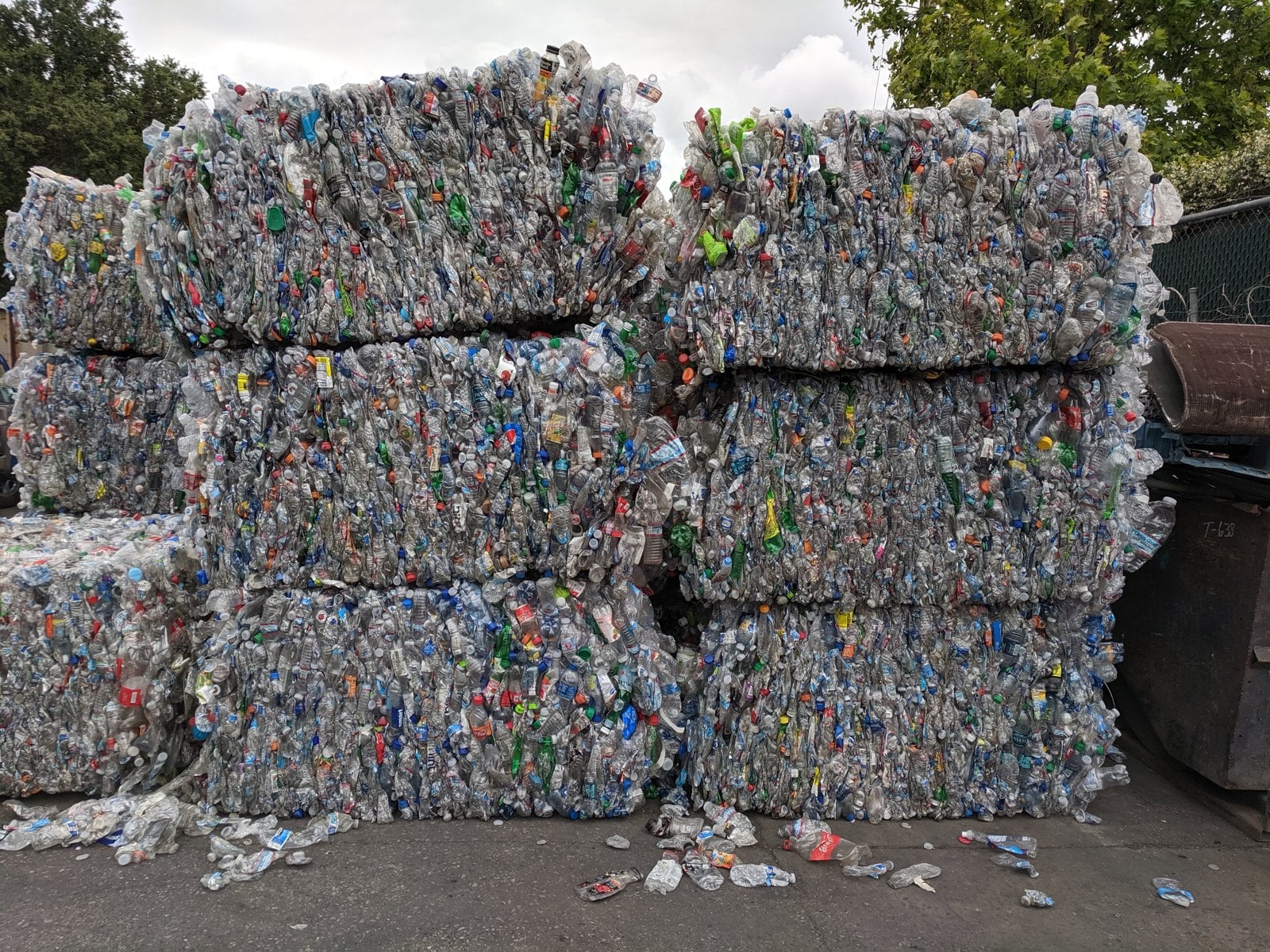
What is PTA and why the EU cares
Purified terephthalic acid is not a household name, but it is everywhere. It is the chemical building block for polyester.
Polyester becomes clothing, upholstery, and industrial fabrics.
It is also a key ingredient in PET resin. That is the stuff of plastic bottles and food packaging.
If you have ever drunk from a disposable water bottle in Europe, you have touched PTA-derived plastic.
The EU has its own PTA industry. It is concentrated in Belgium, Poland, and Spain.
Those producers filed complaints, and the European Commission investigated.
The conclusion came with the definitive duties. Mexican and South Korean exporters were undercutting EU prices.
This caused material injury to the domestic industry. The duty is designed to level the playing field.
For an exporter, it makes your product significantly more expensive at the EU border.
The EU tariff on Mexican PTA and what it means for you
For a Mexican chemical company, a 24.1% duty is not a rounding error. It is a quarter of your product price added on top of freight, insurance, and customs handling.
If your margin on PTA sales to Europe was thin, that duty can wipe it out entirely. Commodity chemicals usually run thin.
You have three options. You can absorb the cost.
You can raise prices and lose orders. Or you can find other markets.
South Korean exporters face a range of 6.1% to 13.3%. That is lower than Mexico’s rate.
This difference matters. It means Mexican PTA is now at a disadvantage in the EU compared with some Korean competitors.
The EU did not explain the gap in detail. Anti-dumping duties are calculated per exporter based on individual dumping margins.
Mexico’s higher rate suggests the investigation found deeper price undercutting from Mexican firms.
Why Latin America should watch this closely
You might think a chemical tariff in Europe is a distant issue. It is not.
Mexico has been courting European investment and trade for years. The EU–Mexico trade agreement is being modernized.
This PTA ruling is a stress test for that relationship. Mexican exporters face steep duties on a basic industrial input.
It signals that Europe will defend its domestic industries even against partners it is negotiating with. That is a sobering signal for any Latin American exporter eyeing the EU market.
There is also a broader lesson. Latin America has been riding a wave of nearshoring and export optimism.
But trade defense measures are on the rise globally. These include anti-dumping, countervailing duties, and safeguards.
The EU is not singling out Mexico. It has used anti-dumping tools against many countries for years, including China, India, and Brazil.
This PTA case is just one more example. Access to the EU market is not a given.
It comes with rules, investigations, and the risk of sudden tariff shocks.
What happens next for exporters and buyers
For Mexican PTA producers, the immediate question is whether they can redirect volumes. They might sell to the United States, Brazil, or domestic customers.
The US market is the obvious alternative. However, it has its own trade dynamics and oversupply issues.
For EU buyers of PTA, the duty means higher input costs. This affects polyester and PET producers.
It may ripple into consumer prices for clothing and bottled drinks. The effect will likely be modest, as PTA is a small share of final product costs.
There is also the possibility of appeal. Companies subject to anti-dumping duties can ask the EU courts to review the regulation.
Such challenges rarely overturn the core finding. The more realistic path is for Mexican firms to work with the European Commission on future reviews.
These happen periodically.
But for now, the duty stands. If you are in the chemicals trade, or you invest in Latin American manufacturing, this is a fixed cost.
It is not a rumor or a threat. It is a line item that will be there when you open next year’s budget.
More: Mexico news in English, every day from The Rio Times.
Frequently Asked Questions
What exactly is purified terephthalic acid (PTA)?
PTA is a white crystalline powder. It is used as a raw material to make polyester and PET resin.
Polyester goes into textiles and packaging films. PET resin is molded into plastic bottles and food containers.
It is one of the most widely used chemical intermediates in the world.
How much is the duty on Mexican PTA?
Mexican exporters face a definitive anti-dumping duty of 24.1%. South Korean exporters face duties between 6.1% and 13.3%, depending on the company.
These rates were applied in August 2026 after the EU completed its investigation.
Will this affect consumer prices in Europe?
Probably only slightly. PTA is an intermediate chemical.
Its cost is a small fraction of the final price of a polyester shirt or a plastic bottle. The duty may add a small upward pressure on input costs for EU producers.
Most analysts expect the impact on retail prices to be minimal.
Connected Coverage
Sources: European Commission; EUR-Lex; Reuters; Korea Herald, August 2026.
This article was produced by The Rio Times’ automated newsroom system. How we use AI · Report an error
In depth
Read More from The Rio Times