
Brazil · Aerospace
Key Facts
—Airline. Namibia Air is the carrier pursuing the fleet renewal, not FlyNamibia.
—Fleet Plan. The plan includes seven Embraer regional aircraft: four ERJ 145s and three E170/E175-family jets.
—Cost. The total investment is reported at N$594 million (approx. US$33 million), with the ERJ 145s at US$3 million each and the E170/E175s at US$8 million each.
—Aircraft Type. The larger jets are standard E170/E175 models, not the newer E-Jets E2 family.
—Deal Status. It remains unclear whether the plan is a firm order, a memorandum of understanding, or a preliminary fleet strategy.
Namibia Air has reportedly laid out a N$594 million (US$33 million) plan to acquire seven Embraer regional jets—four ERJ 145s and three larger E170/E175-family aircraft—as part of a fleet renewal, though the exact nature of the deal remains unconfirmed.
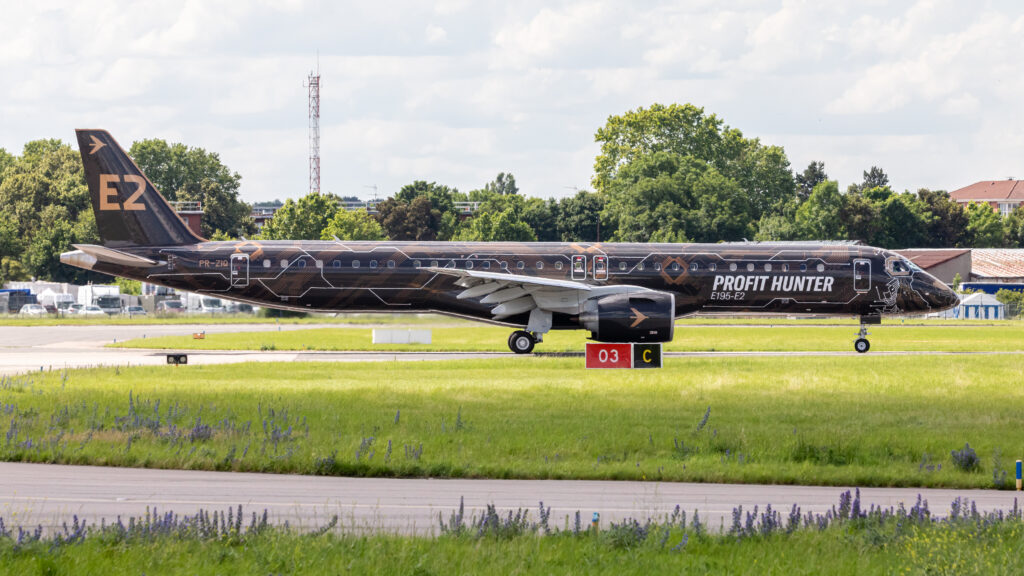
The Fleet Renewal Plan
Namibia Air is targeting a fleet renewal with seven Embraer regional aircraft, according to mid-July 2026 reports.
The plan includes four ERJ 145 jets—a 50-seat model widely used for short-haul routes—and three aircraft from the larger E170/E175 family, which typically seat 70 to 88 passengers.
The total cost is pegged at N$594 million, approximately US$33 million at current exchange rates. The ERJ 145s are estimated at US$3 million each, while the E170/E175 jets cost around US$8 million apiece.
For context, Namibia’s aviation market is relatively small by global standards, with a handful of carriers serving domestic trunk routes and regional connections to neighboring countries. A fleet investment of this scale would represent one of the more significant capital moves in the country’s recent civil aviation history.
Understanding the Aircraft
The ERJ 145 is a twin-engine regional jet designed for routes with lower passenger demand, offering airlines a cost-effective solution for connecting smaller cities.
The E170 and E175 belong to Embraer’s E-Jet family, not the newer E2 series. They are larger than the ERJ 145 and are popular with regional airlines worldwide for their fuel efficiency and cabin comfort.
Regional jets in this class allow carriers to serve thinner routes profitably and can open new direct connections without the risk of larger, less efficient aircraft.
In plain terms, “thinner routes” are those with fewer passengers per day—too many for a small turboprop to handle economically, but not enough to fill a larger single-aisle jet. Aircraft like the ERJ 145 and E170/E175 are built specifically to bridge that gap, making it possible to offer daily flights where demand would otherwise not justify the service.
Live Company IntelligenceEmbraer SA ADR — the full investor dossier
Wall Street view
Valuation & profitability
Price & risk
$59.2252-wk high
$66.87
Revenue trend · 6y
Ownership
Dividend
Financial and Operational Implications
At an average cost of US$4.7 million per aircraft, the fleet plan represents a significant capital outlay for Namibia Air, though the figures are estimates and not official list prices from Embraer.
Investing in smaller jets could enable the airline to increase frequencies on domestic and regional routes, improving connectivity for business and leisure travelers.
A modernized fleet may also lower maintenance and fuel costs over time, potentially leading to more competitive fares.
It is worth noting that the reported per-unit prices likely reflect used-aircraft market values rather than new factory deliveries. Both the ERJ 145 and the original E-Jet family have been in service for years, and a healthy secondary market exists for well-maintained examples.
This approach can lower upfront costs considerably, though it also raises questions about remaining airframe life and long-term maintenance planning.
What It Means for Expats and Investors
For expatriates in Namibia and neighboring countries, a larger and more modern regional fleet could translate to more flexible travel options and better connections to hubs like Johannesburg or Cape Town.
Investors in Namibia’s tourism and business sectors could benefit from improved air access, which often stimulates economic activity and property markets in well-connected regions.
However, until the deal is finalized and delivery timelines are known, the immediate impact remains speculative.
Background
Namibia Air is the national airline, operating domestic and regional services. It has faced fleet and operational challenges in recent years, making a renewal plan a critical step for its long-term viability.
Regional aviation in Southern Africa is highly competitive, with carriers like Airlink and CemAir also operating Embraer jets. A modern fleet is essential to remain relevant.
The airline’s choice of Embraer aircraft aligns with a trend among African carriers to adopt smaller, more efficient jets for thin routes.
Embraer, a Brazilian aerospace manufacturer, has long seen Africa as a natural market for its regional jets. The continent’s vast distances, combined with uneven passenger demand between city pairs, make the 70-to-90-seat segment particularly relevant.
A potential Namibia Air order would add to Embraer’s existing footprint in the region.
Unconfirmed Deal Status
Crucially, the sources available do not specify whether the fleet plan is a firm purchase order, a memorandum of understanding, a letter of intent, or simply a long-term strategy.
Neither Namibia Air nor Embraer has issued an official statement confirming the deal, as of this reporting. The figures cited come from secondary reports and should be treated as preliminary.
Industry observers will look for confirmation from primary sources, such as regulatory filings or press releases, before concluding that the acquisition will proceed.
What to watch next is whether Namibia’s transport ministry or civil aviation authority references the plan in any upcoming budget statement or infrastructure briefing. Another open question is how the airline intends to finance the acquisition—whether through state backing, development-finance loans, or a leasing arrangement—and what that structure might signal about the government’s commitment to strengthening the national carrier.
More: Brazil news in English, every day from The Rio Times.
Frequently Asked Questions
What aircraft is Namibia Air planning to acquire?
The plan involves four 50-seat Embraer ERJ 145s and three larger E170/E175-family regional jets.
How much is the fleet renewal expected to cost?
Reports indicate a total cost of N$594 million, or about US$33 million, with individual aircraft priced at US$3 million (ERJ 145) and US$8 million (E170/E175).
Has Namibia Air signed a firm order with Embraer?
No, the current information does not clarify whether the plan is a firm order, a memorandum of understanding, or only a preliminary fleet strategy.
Connected Coverage
Sources: Embraer; ch-aviation.
This article was produced by The Rio Times’ automated newsroom system. How we use AI · Report an error · Editorial responsibility: Matthias Camenzind, Editor-in-Chief
Brazil runoff, Sunday, October 25: When is the Brazil runoff election. Latest: Brazil runoff polls, Flávio 51%, Lula 49%.