Direcional, Ultrapar And Randon Q3 2025 Results
Read about Direcional, Ultrapar And Randon Q3 2025 Results on The Rio Times.
Brazil’s third-quarter updates from Direcional, Ultrapar, and Randon tell a simple but revealing story.
Homebuilding geared to the low-income segment is scaling profitably; fuel distribution is healing as enforcement squeezes illicit players; and heavy-vehicle suppliers are still stuck in a credit-sensitive downcycle.
For international readers, these three snapshots map where domestic demand is resilient, where policy is rewiring margins, and where high financing costs continue to bite.
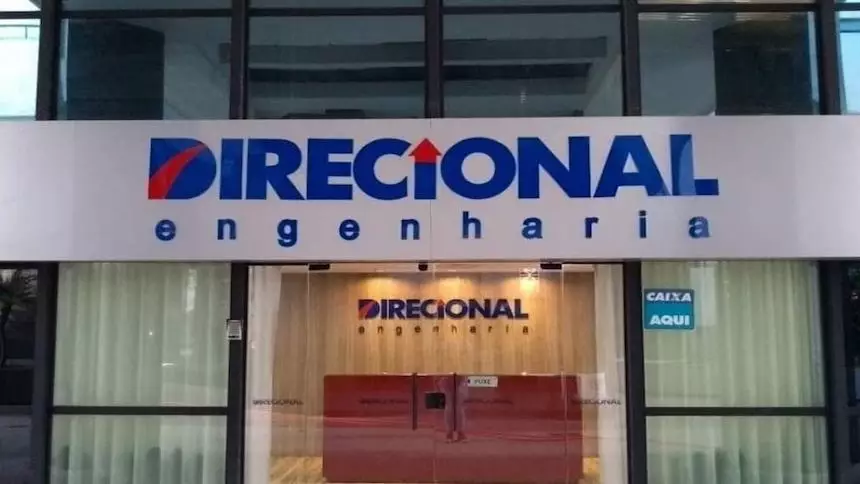
Direcional (DIRR3) — Brazil’s Low-Income Homebuilder Showing Scale And Cash Discipline
What it does: Residential developer focused on the mass/low-income market.
Story and numbers: Direcional beat expectations with net income of R$ 230 million ($43M), up 43% year on year. Adjusted EBITDA reached R$ 302 million ($56M), while revenue rose 27% to R$ 1.2 billion ($222M).
The “why” is twofold: demand anchored by the Minha Casa Minha Vida program and a model that uses land swaps to limit cash outlay. That lets Direcional sustain high launch and sales velocity without overlevering.
The sub-story is margins: scaling into a standardized product with subsidized credit lets operating leverage work even in a still-elevated rate environment.

Ultrapar (UGPA3) — Ipiranga’s Margin Repair As Enforcement Levels The Playing Field
What it does: Fuel distribution (Ipiranga), LPG (Ultragaz), liquid-bulk storage (Ultracargo), and waterways.
Story and numbers: Ultrapar posted profit of R$ 772 million ($143M), adjusted EBITDA of R$ 1.95 billion ($361M), recurrent EBITDA of R$ 1.78 billion ($330M), and revenue of R$ 37 billion ($7B).
The headline hides the driver: Brazil’s “Operação Carbono Oculto” has tightened the screws on illicit fuel trading, reducing tax evasion and price undercutting.
With distortions easing, Ipiranga’s volumes edged up 1% to 6.17 million m³, and the crucial margin per cubic meter improved.
The sub-story is durability: if enforcement persists, the better pricing discipline looks structural, and Ultrapar’s steadier LPG and storage units provide ballast as the retail cycle normalizes.
Randon (RAPT4) — A Freight Downcycle Meets Expensive Credit And Higher Leverage
What it does: Road implements, parts, and systems for the truck and trailer industry.
Story and numbers: Randon’s net profit fell 81% to R$ 23.1 million ($4M). Adjusted EBITDA was R$ 478 million ($89M), and revenue grew 9.9% to R$ 3.4 billion ($630M) on mix and exports.
Net leverage climbed to 4.68x from 2.79x a year earlier. Nine-month consolidated revenue of R$ 9.9 billion ($2.0B) trails a full-year range of R$ 12–13.5 billion (about $2.2B–$2.5B).
The sub-story is credit: high domestic borrowing costs suppress truck financing and delay fleet renewal, which hurts implements demand and blunts operating leverage. Exports help, but not enough to offset a softer Brazil market.
The bigger picture
Taken together, these prints capture Brazil’s split screen. Where policy support aligns with real-economy demand (Direcional), growth and margins can advance together. Where rule-of-law enforcement corrects market distortions (Ultrapar), profitability can reset at healthier levels.
But where sales hinge on expensive credit and big-ticket capex decisions (Randon), recovery will likely be gradual, tracking any easing in financing conditions rather than snapping back on its own.
This article was produced by The Rio Times’ automated newsroom system. How we use AI · Report an error · Editorial responsibility: Matthias Camenzind, Editor-in-Chief