Morgan Stanley Cuts Cruzeiro Do Sul Two Notches To Sell
Brazil · Markets
Key Facts
- Double downgrade — Morgan Stanley moved CSED3 from buy to sell in one step on 7 August 2026.
- Price target — Cut to R$5 (US$0.98) from R$7 (US$1.37).
- Stock reaction — Shares were down 3.96% at R$4.37 (about US$0.86) in intraday trading around 11am Brasília time, per InfoMoney; this is a mid-session level, not a closing price.
- Core business — Cruzeiro do Sul runs private higher education, much of it distance learning.
- Reasons given — Disappointing new enrollments, higher tech spending, and rising bad-debt provisions.
- Sector pressure — Brazilian for-profit education faces stiff competition and regulatory scrutiny.
- Market context — Stock already down 32.4% over six months, reflecting investor unease.
Morgan Stanley skips a step and cuts CSED3 straight from buy to sell, citing enrollment disappointment and rising costs.
The Cruzeiro do Sul double downgrade by Morgan Stanley on 7 August 2026 sent CSED3 shares lower, but the reasoning behind it reveals deeper strains in Brazil’s for-profit education sector. The bank moved the stock straight from buy to sell in one step, skipping the customary hold rating – a rare and forceful signal. It also slashed its price target to R$5 (US$0.98) from R$7 (US$1.37), citing disappointing new enrollments, rising technology costs, and higher bad-debt provisions. If you hold shares in Cruzeiro do Sul Educacional, you already know Friday was rough – but the Cruzeiro do Sul double downgrade behind it is worth understanding, because it says a lot about the broader Brazilian for-profit education sector. Analysts usually downgrade in steps – from buy to hold, then hold to sell – to avoid surprising the market. Skipping a step signals real alarm, and the market reacted immediately: CSED3 was down 3.96% at R$4.37 (about US$0.86) by mid-morning, according to InfoMoney — an intraday reading rather than a close.
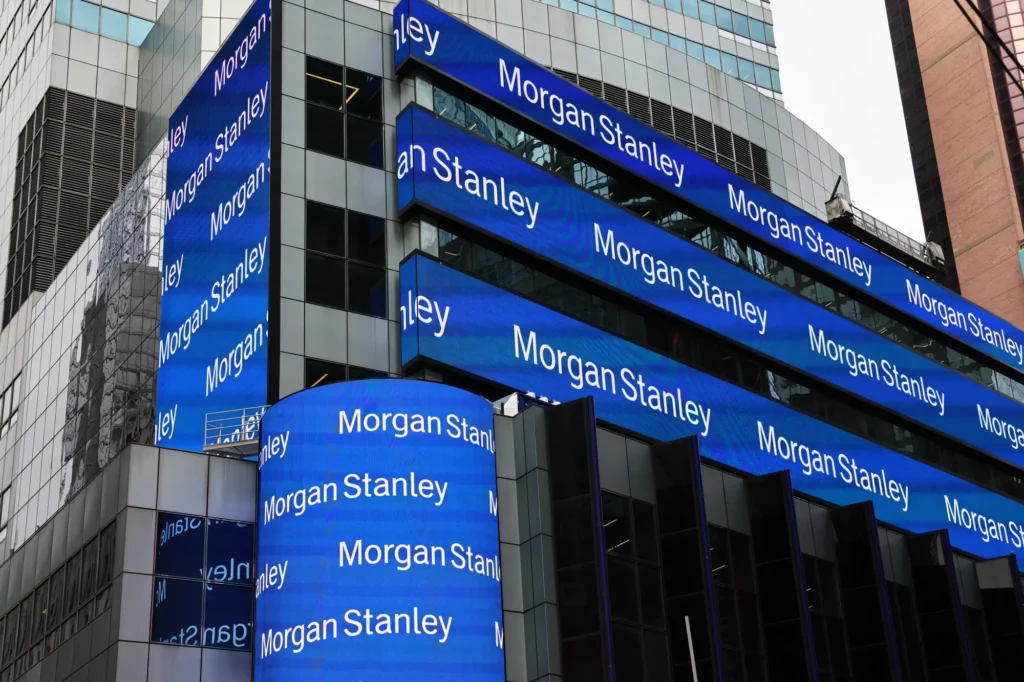
Cruzeiro do Sul double downgrade: What It Means and Why It Hurts
A double downgrade is exactly what it sounds like: an analyst jumps two notches in their recommendation, not one. Morgan Stanley’s move from buy to sell is a two-step fall, and it’s a big deal because it suggests the bank’s view changed sharply, not gradually.
Why skip a step? Sometimes, new information – like disappointing enrollment numbers – makes the old view untenable. Analysts may also skip to protect their credibility, or simply because the gap between price and target is too wide to justify a middle rating. For investors, it’s a red flag that the story has fundamentally changed, not just wobbled.
The bank’s report, cited by InfoMoney, points to three main pressures: higher technology spending, higher provisions for doubtful accounts (the money set aside for students who don’t pay), and a longer receivables cycle. That’s a triple squeeze – costs up, bad debts up, and cash coming in slower. Plus, the stock no longer trades at the discount that made it attractive before.
What Cruzeiro do Sul Actually Does
Cruzeiro do Sul Educacional is one of Brazil’s largest for-profit higher education groups. It runs a network of universities and colleges, but a big chunk of its students are in distance learning – courses delivered online, which have exploded in popularity in Brazil over the past decade.
In its latest quarterly report, the company posted net income of R$61.48 million (US$12.04 million), revenue of R$701.96 million (US$137.44 million), and EBITDA of R$166.30 million (US$32.56 million), according to Investing.com. Those aren’t terrible numbers, but the trend is what worries Morgan Stanley.
New enrollments – the lifeblood of any educational company – have disappointed, the bank said. In a sector where growth depends on attracting more students, especially in the competitive distance-learning market, a slowdown is a serious problem.
Brazilian private higher education is being squeezed from three sides at once — enrollment growth has stalled as distance-learning supply floods the market, pricing power is fading, and student credit is tightening, pushing bad-debt provisions higher. Morgan Stanley’s double downgrade of Cruzeiro do Sul, from buy to sell in one leap, reflects that reality: higher technology spending, rising allowances for doubtful accounts, and a longer receivables cycle are compressing margins. The company’s latest quarterly figures — net income of R$61.48 million (US$12.04 million) on revenue of R$701.96 million (US$137.44 million) — look okay on paper, but the trend is what worries analysts. New enrollments have disappointed, and with the stock down 3.96% at R$4.37 (about US$0.86) by mid-session, the market is pricing in a tougher road ahead for distance-learning leaders.
The Pressure on Brazilian Private Higher Education
Brazil’s for-profit education sector is under pressure from several fronts. First, competition is fierce – there are many players, both large groups and smaller regional ones, all chasing the same students. Second, the regulatory environment is tight, with strict rules on quality and accreditation. Third, the economy’s ups and downs affect students’ ability to pay tuition, which shows up in higher bad-debt provisions.
The move to distance learning has been a double-edged sword. It opened up new markets and cut costs, but it also intensified competition and brought higher technology spending to keep platforms up to date. Morgan Stanley’s note highlights exactly that tension.
For anyone living in or investing in Latin America, this matters because education is a bellwether for consumer health. If students can’t pay, and costs are rising, that’s a warning sign for the broader economy. Plus, if a major bank is willing to do a rare double downgrade, it may signal that other analysts are thinking the same – even if they’re slower to act.
Cruzeiro do Sul Educacional’s own numbers show why Morgan Stanley pulled the trigger on that rare double downgrade — net income of R$61.48 million (US$12.04 million) on revenue of R$701.96 million (US$137.44 million) looks respectable on paper, but the trend is the problem. New enrollments have disappointed, and with the stock down 3.96% at R$4.37 (about US$0.86) by mid-session on the day of the note, the market is clearly pricing in tougher times ahead. The shares have fallen 32.4% over the past six months, badly lagging the broader sector, which has held up comparatively better. Debt is also a concern, though exact figures aren’t broken out here — higher technology spending, rising bad-debt provisions, and a longer receivables cycle are squeezing margins from every direction. That’s a triple squeeze, and it explains the sharp fall from grace.
More: Brazil news, every day from The Rio Times.
Frequently Asked Questions
What is a double downgrade?
It’s when an analyst jumps two rating levels at once – for example, from buy to sell – instead of stepping down through hold. In Cruzeiro do Sul’s case, Morgan Stanley did exactly that on 7 August 2026, a rare and strong signal of changed sentiment.
Why did Morgan Stanley downgrade Cruzeiro do Sul?
The bank cited disappointing new enrollments, higher technology spending, higher provisions for doubtful accounts, and a longer receivables cycle. It also said the stock no longer traded at the discount that justified the previous buy rating.
How did the stock react?
CSED3 was trading down 3.96% at R$4.37 (about US$0.86) around 11am Brasília time on 7 August 2026, the day of the downgrade — an intraday level, not a closing price. The stock had already dropped 32.4% over the previous six months, so the downgrade deepened an existing slide.
What does Cruzeiro do Sul do?
It’s a private higher education company in Brazil, running universities and colleges, with a significant focus on distance learning. It reported net income of R$61.48 million (US$12.04 million) in its latest quarter, according to Investing.com.
Connected Coverage
Sources: Morgan Stanley research note of 7 August 2026 by Mauricio Cepeda, Lucas Nagano and Artur Alves, as reported by InfoMoney (Felipe Moreira, 7 August 2026); Cruzeiro do Sul Educacional; B3.
This article was drafted with automated assistance and reviewed before publication. How we use AI · Report an error
Read More from The Rio Times