Why the Colombian Peso Is So Strong: 20% Gain in 2026
Colombia · Markets
Key Facts
—Market rate The Colombian peso traded around 3,132 per US dollar on July 30, 2026.
—One-year gain The peso has appreciated about 20.6% against the dollar over the past year.
—Year-to-date The currency is up about 12.8% so far in 2026.
—Central bank BanRep was due to announce an interest-rate decision on July 31, 2026.
—Export impact A stronger peso pressures Colombian exporters by reducing their peso revenue.
The Colombian peso is trading near a multi-year high against the US dollar, with the market rate around 3,132 pesos per dollar after a roughly 20% gain over the past year. The rally marks one of the strongest revaluations of the 21st century and comes just as the country’s central bank was preparing to announce its latest interest-rate decision.

What the Colombian peso rally looks like
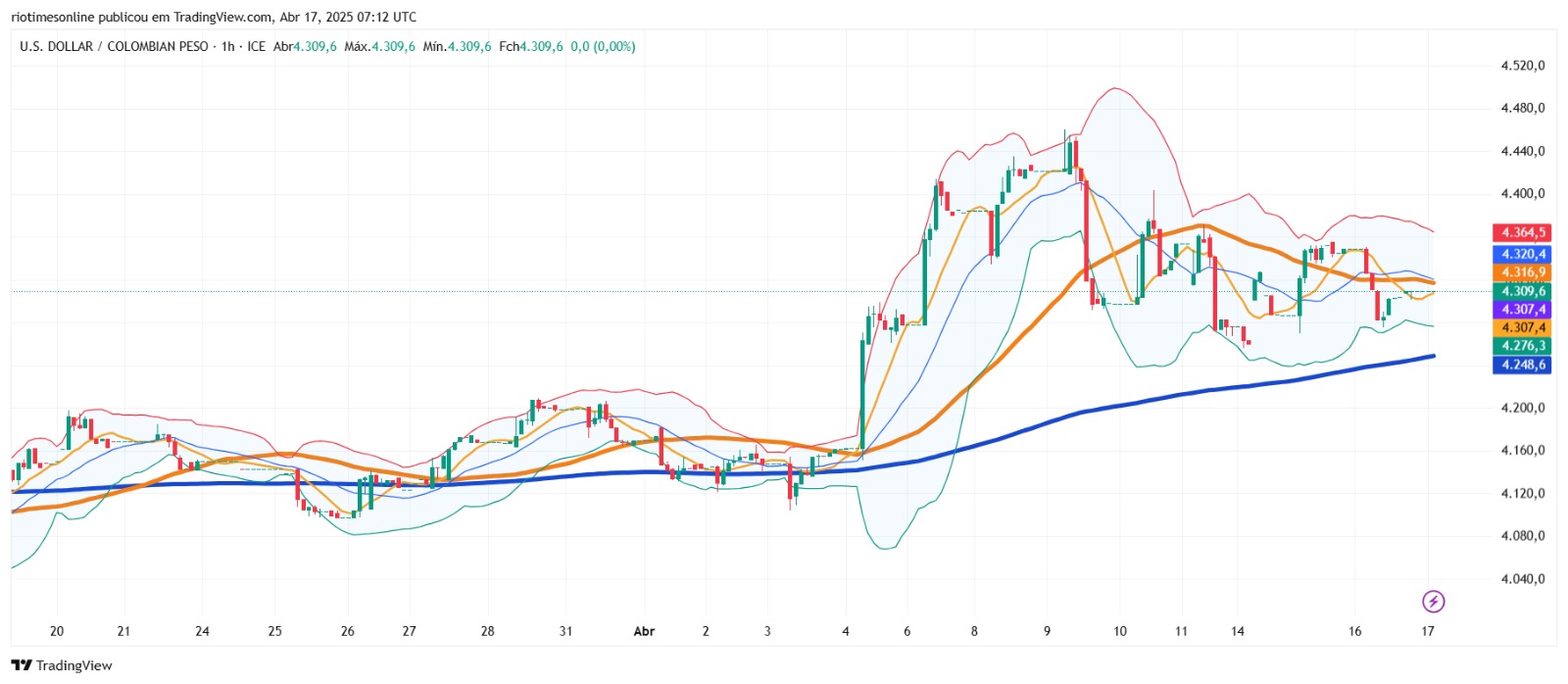
Colombia’s market exchange rate, known locally as the TRM, closed around 3,132 pesos per US dollar on July 30, 2026. The rate was set at about 3,132.42 pesos for July 31, a daily drop of roughly 73.76 pesos, or about 2.3%.
Over the past year, the Colombian peso has appreciated about 20.6% against the dollar. That makes it the third-strongest revaluation of the 21st century for the currency.
So far in 2026, the peso has gained about 12.8%. Over a four-year window, the appreciation reaches about 27.2%, the most intense four-year rally of the last decade.
For foreign investors and expats, a stronger peso means their dollar-denominated income or capital now buys fewer pesos. A US$1,000 transfer, for example, converts to roughly 3,132,000 pesos, down from around 3,950,000 pesos a year ago when the exchange rate sat near 3,950 pesos per dollar.
Why the Colombian peso is strengthening
Several factors have supported the Colombian peso’s rally. High domestic interest rates have attracted carry-trade flows, where investors borrow in low-yielding currencies to invest in Colombian peso assets.
Colombia’s central bank, Banco de la República (BanRep), has kept its benchmark rate elevated to fight inflation. That rate differential makes local government bonds, known as TES, attractive to foreign portfolio managers.
Commodity prices have also played a role. Colombia is a major exporter of oil and coffee, and firm global prices for those goods bring more dollars into the economy.
Remittance flows from Colombians working abroad, especially in the United States, have remained strong. Those dollar inflows add to the supply of foreign currency and can push the peso higher.
Political and fiscal uncertainty had weighed on the peso in previous years. A gradual improvement in investor sentiment, even if fragile, has helped the currency recover some of the ground it lost during past episodes of volatility.
The pending BanRep interest-rate decision
BanRep was scheduled to announce its next monetary policy decision on July 31, 2026. The board’s decision was still pending at the time of writing.
Analysts had been debating whether the bank would hold rates steady, cut them, or signal a future move. Any change in the rate outlook can shift the peso’s appeal for foreign investors.
A rate hold or a hawkish tone tends to support the peso by preserving the yield advantage. A cut, by contrast, can narrow that advantage and ease upward pressure on the currency.
For expats and foreign investors with exposure to Colombian assets, the decision matters. A shift in BanRep’s stance could affect the peso’s trajectory, local bond prices, and the cost of hedging currency risk.
Winners and losers from a stronger Colombian peso
A stronger peso helps Colombian importers by lowering the local-currency cost of goods priced in dollars. It also eases inflation, because many consumer products and inputs are imported.
Colombian households and companies that hold dollar-denominated debt benefit as well. Their debt burden shrinks in peso terms when the exchange rate falls.
Exporters, however, face headwinds. Coffee growers, flower producers, and oil firms receive dollars for their goods abroad but pay most of their costs in pesos. A stronger peso squeezes their margins.
The tourism sector can also feel the pinch. Colombia becomes a more expensive destination for foreign visitors carrying dollars, while Colombian travelers find overseas trips comparatively cheaper.
For foreign investors earning returns in pesos, the currency rally can be a double-edged sword. It boosts the dollar value of existing peso-denominated assets but reduces the amount of pesos new dollars can buy.
How the peso compares to other Latin American currencies
The Colombian peso’s roughly 20% one-year gain stands out in a region where several currencies have also strengthened. The Brazilian real trades around 5.4 per dollar, while the Mexican peso sits near 18.5 per dollar.
Peru’s sol is around 3.4 per dollar, and the Chilean peso trades near 930 per dollar. Argentina’s peso, by contrast, has weakened sharply and trades around 1,320 per dollar.
Colombia’s rally is notable for its speed and duration. The four-year appreciation of about 27.2% is the most intense of the last decade, according to local financial outlets.
Currency moves of this size can shift regional trade dynamics. Colombian goods become relatively more expensive in dollar terms compared to products from countries with weaker currencies.
For expats and investors comparing markets, the peso’s strength changes the relative cost of living and investing. Bogotá and Medellín, once seen as bargains for dollar earners, are now less so than a year ago.
What foreign investors should watch next
Beyond the BanRep decision, investors should monitor inflation data and fiscal policy signals from the Colombian government. Any sign of widening fiscal deficits could reverse some of the peso’s gains.
Global factors also matter. US Federal Reserve policy, oil price swings, and shifts in risk appetite can all move the Colombian peso, sometimes sharply.
For those converting dollars to pesos, timing matters more now. The exchange rate has moved from around 3,950 pesos per dollar a year ago to roughly 3,132 pesos, a swing of more than 800 pesos.
Hedging strategies, such as forward contracts or diversifying the timing of large transfers, can help mitigate the impact of further appreciation. Local banks and fintech platforms in Colombia offer such tools.
The peso’s rally is a reminder that Latin American currencies can deliver both opportunity and risk. Understanding the drivers helps foreign investors and expats make more informed decisions.
More: Colombia news in English, every day from The Rio Times.
Frequently Asked Questions
Why is the Colombian peso so strong right now?
The Colombian peso has strengthened about 20.6% over the past year due to high local interest rates, firm commodity prices, strong remittance flows, and improved investor sentiment toward Colombian assets.
How does a stronger Colombian peso affect expats living in Colombia?
A stronger peso means dollars convert to fewer pesos. Expats who rely on dollar income see their local purchasing power decline, though imported goods may become cheaper in peso terms.
What was the BanRep interest-rate decision on July 31, 2026?
At the time of writing, the Banco de la República had not yet announced its decision. The outcome was still pending and could influence the peso’s short-term direction.
Connected Coverage
Botero Dove of Peace Removed from Colombia’s Presidential Palace
This article was produced by The Rio Times’ automated newsroom system. How we use AI · Report an error
In depth
LatAm Markets: Live Signals → — real-time movers, turnover leaders and FX across Latin America.
Read More from The Rio Times