Colombia’s Next President Moves to Restore Ties With Israel

Politics
Key Facts
—The call. President-elect De la Espriella spoke with Israel’s President Herzog on July second.
—The plan. The two agreed to move ahead with restoring full diplomatic relations between the countries.
—The break. President Gustavo Petro severed ties in May 2024 over Israel’s war in Gaza.
—The handover. De la Espriella won June’s run-off and takes office on August seventh.
—The flashpoint. He has said he would consider moving Colombia’s embassy to Jerusalem.
One of the first foreign-policy moves of Colombia’s incoming government points sharply away from the outgoing one. The plan to reset Colombia Israel relations shows how far the country’s diplomacy is about to swing.
For a reader following the region, the reversal is the story. Colombia is not simply reopening an old embassy. It is choosing where to stand as its government changes hands.
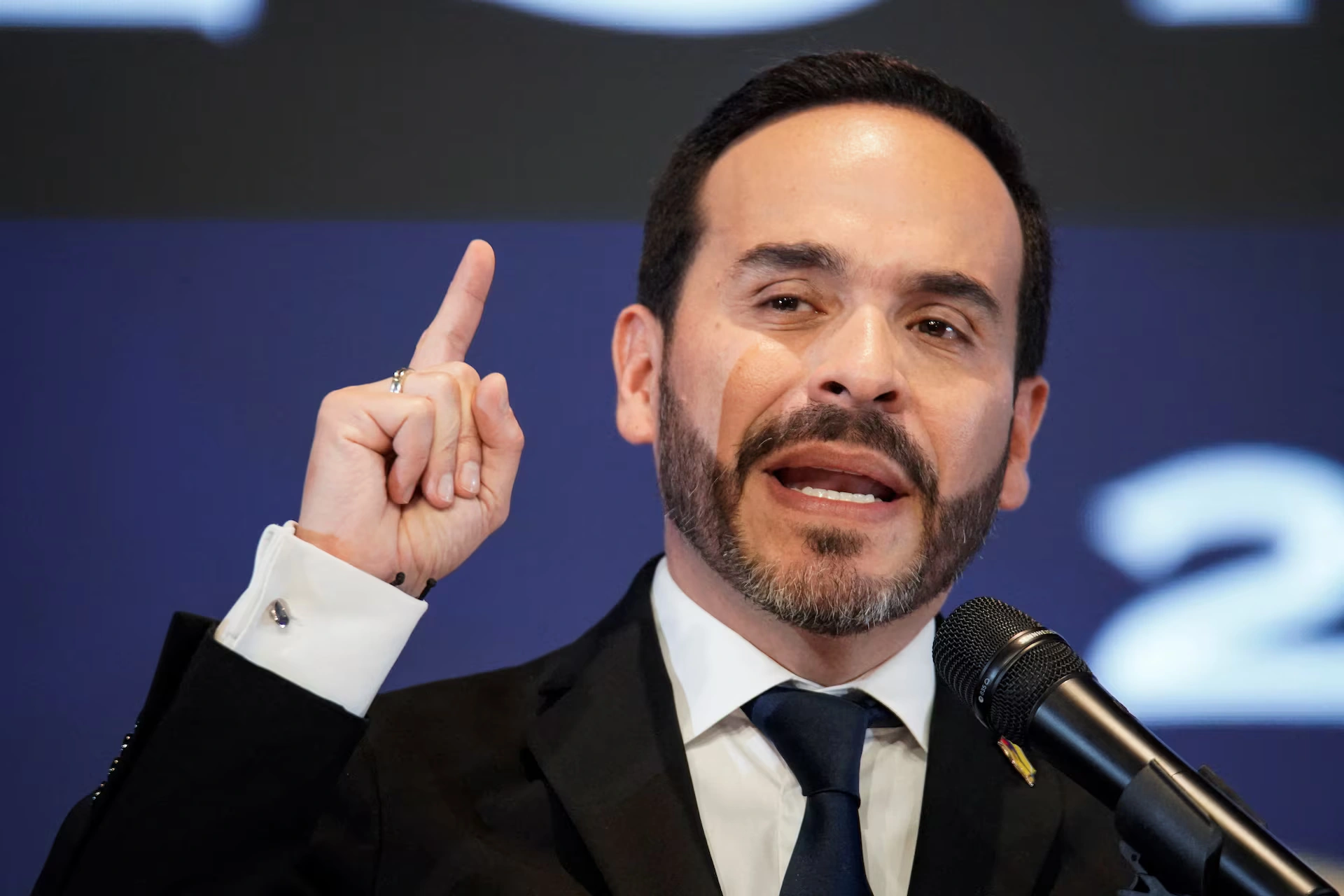
The trigger was a phone call. According to reporting by Al Jazeera and Colombian outlets, president-elect Abelardo de la Espriella spoke with Israeli President Isaac Herzog. The two agreed to advance the restoration of full ties.
Why Colombia Israel relations were cut
The break was recent and pointed. In May 2024, the leftist president Gustavo Petro severed diplomatic ties with Israel over its military campaign in Gaza, accusing its government of grave violations of international law. Our reporting has shown that this rupture was part of a broader realignment that also saw Colombia open an embassy in Ramallah to strengthen ties with the Palestinian Authority.
It was not a one-off gesture. Petro later pushed to expel the remaining consular staff, and his criticism of Israel became a defining part of his foreign policy, tied closely to his disputes with Washington.
The two countries have deep history. Colombia and Israel have had relations since 1957, and Israel has long been one of Colombia’s main arms suppliers, a link the country’s right sees as central to national security.
That is why the reset lands as symbolism. De la Espriella ran as a tough-on-crime nationalist who would reverse Petro’s course. Warmer ties with both Israel and the United States are part of that promise.
The debate over timing
Supporters see clarity. For much of the Colombian right, Petro’s break was ideological theatre, and restoring ties simply returns the country to a practical partnership on security and trade.
Critics see risk in the haste. Analysts note that even Washington has shown strategic distance from Israel’s government during the 2026 Iran diplomacy. A dramatic embrace may misread how firm that old alignment still is.
The embassy question sharpens the stakes. De la Espriella has said he would consider moving Colombia’s mission to Jerusalem. That step would please some allies but risk friction with Arab partners and parts of Europe.
For foreign residents, the practical effect is limited for now. Nothing changes before the August seventh inauguration. The shift matters most as a signal of the pro-Washington, pro-Israel direction the new government intends to take.
There is a regional dimension as well. Chile recalled its ambassador from Israel in October 2023, but did not sever diplomatic ties and has a large Palestinian community. A Colombian pivot could sharpen the contrast between Latin America’s left and right governments.
The economic stakes are modest but real. Most of Colombia’s exports to Israel are coal, and a free-trade deal lets thousands of Colombian products enter with low tariffs. Restored ties mainly protect an existing channel rather than opening a large new one.
The wider test is how the reset is handled. Analysts argue the steadier path is to return ambassadors and resume cooperation while keeping distance on contested questions, rather than turning embassy geography into a headline gesture.
For now, the direction is clear even if the detail is not. The new government has framed the outreach as part of rebuilding ties with strategic allies. The coming months will show how far it is willing to go.
Why were Colombia Israel relations broken?
President Gustavo Petro severed diplomatic ties in May 2024 over Israel’s war in Gaza. He accused its government of serious violations of international humanitarian law. The two countries had maintained relations since 1957.
What has the president-elect agreed to?
In a July second call with Israeli President Isaac Herzog, De la Espriella agreed to advance the restoration of full diplomatic relations. He has also said he would consider moving Colombia’s embassy to Jerusalem.
Does this affect foreign residents now?
Not immediately. Nothing changes before the August seventh inauguration. The reset matters mainly as a signal of the new government’s pro-Washington, pro-Israel foreign policy rather than as a rule change.
Connected Coverage
Colombia’s Transition: What De la Espriella’s Handover Means for Foreigners
Colombia’s De la Espriella Opens His Books, and Asks for Help
Colombia’s Economy in 2026: Growth, Petro and the Inflation Catch
More: Colombia news in English, every day from The Rio Times.
Frequently Asked Questions
Why did Colombia cut ties with Israel in the first place?
President Gustavo Petro severed diplomatic relations with Israel in May 2024 over its military campaign in Gaza. He accused its government of serious violations of international law. The two countries had maintained relations since 1957.
What exactly did Colombia's president-elect agree to with Israel?
On July 2, president-elect Abelardo de la Espriella spoke with Israeli President Isaac Herzog. They agreed to move ahead with restoring full diplomatic relations. He has also said he would consider moving Colombia's embassy to Jerusalem.
Does any of this affect foreigners living in Colombia right now?
No, nothing changes before De la Espriella takes office on August 7. For now the move is mainly a signal of the new government's pro-Washington, pro-Israel foreign policy direction rather than a practical rule change.
This article was produced by The Rio Times’ automated newsroom system. How we use AI · Report an error · Editorial responsibility: Matthias Camenzind, Editor-in-Chief