Cauchari-Olaroz Lands US$220 Million to Fund Its Lithium Expansion
Argentina · Mining
Key Facts
- Debt closed US$220 million in new unsecured project debt for Cauchari-Olaroz, split US$50 million (June) and US$170 million (August).
- Ownership split Minera Exar is 46.7% Ganfeng Lithium, 44.8% Lithium Argentina, 8.5% JEMSE (Jujuy state).
- Guarantee structure Ganfeng guarantees the debt; Lithium Argentina counter-guarantees 49% of the outstanding amount.
- Stage 2 start Funds build an initial 10,000 tpa modular DLE unit, part of a phased path to 45,000 tpa LCE.
- Stage 1 output ~9,280 tonnes in Q2 2026; full-year guidance of 35,000–40,000 tonnes.
- Market context Financing comes amid a prolonged lithium price slump, avoiding equity dilution.
A US$220 million unsecured debt package, backed by Ganfeng and counter-guaranteed by Lithium Argentina, is funding the next phase of the Cauchari-Olaroz lithium operation in Jujuy without touching shareholders’ wallets.
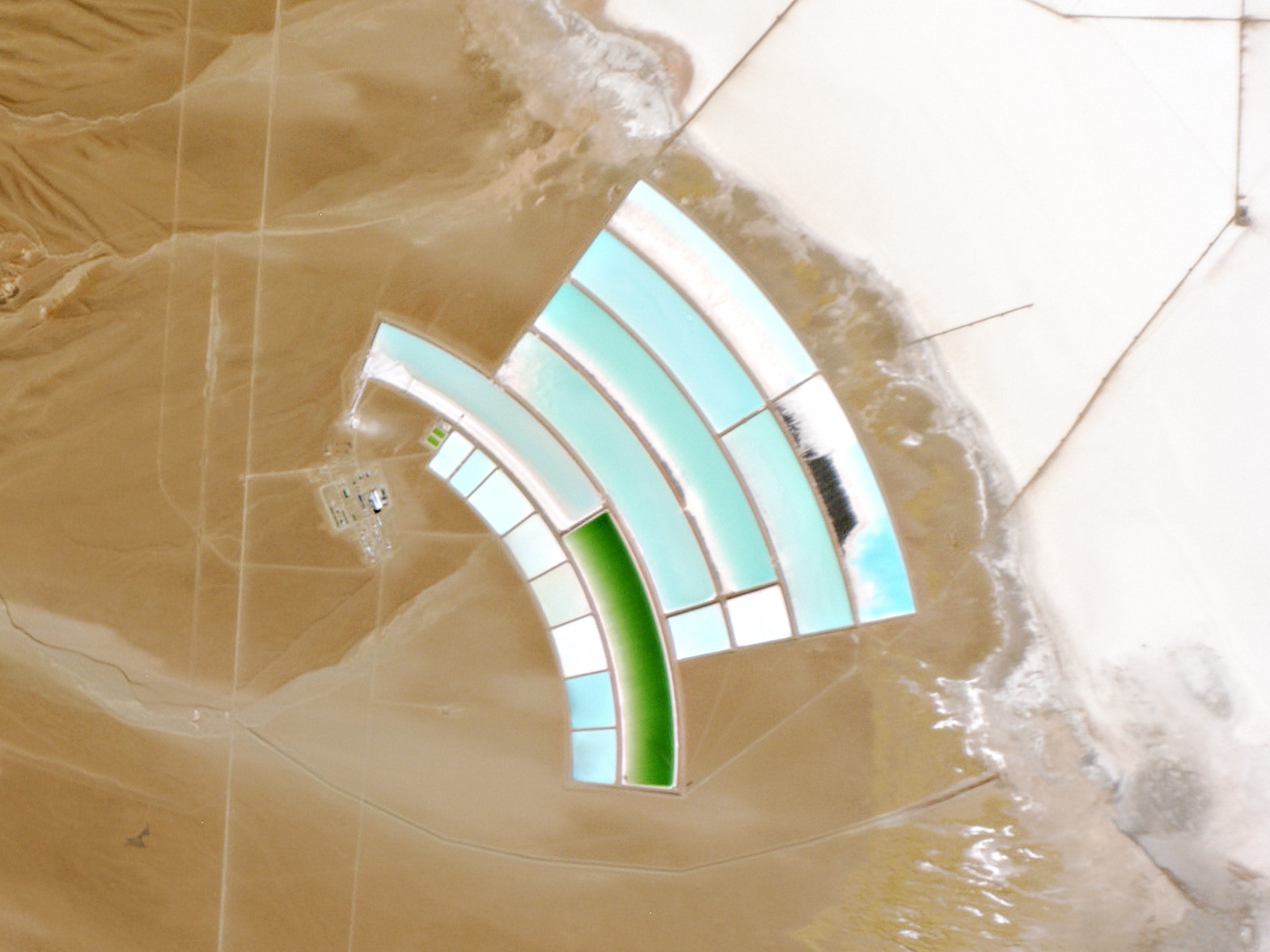
If you follow lithium in Latin America, you already know Cauchari-Olaroz lithium is one of the biggest brine plays in the region. But the news from August 5, 2026, is not about production records — it is about how the partners are paying for growth. Lithium Argentina (LAR) announced that the project’s joint venture, Minera Exar, closed US$220 million in new unsecured debt. The money is not for a shiny new mine. It is for a carefully staged expansion, starting with a 10,000-tonne-per-year direct lithium extraction (DLE) module. And the way this financing is structured tells you a lot about who actually controls the project, and why they are avoiding the equity market right now.
Who Owns What at Minera Exar
Let’s get the ownership straight, because headlines often simplify it. Minera Exar S.A., the entity that runs Cauchari-Olaroz in Jujuy province, is not a Lithium Argentina subsidiary. It is a joint venture. Ganfeng Lithium holds the largest stake at 46.7%. Lithium Argentina holds 44.8%. The remaining 8.5% belongs to JEMSE, the mining company owned by the provincial government of Jujuy.
The project is jointly controlled by Lithium Argentina and Ganfeng, with Ganfeng acting as the technical operating partner. That means Ganfeng runs the day-to-day processing and has the deepest hands-on knowledge of the brine chemistry. Lithium Argentina, meanwhile, handles much of the commercial and financial coordination. So when you read that “Lithium Argentina closed US$220 million,” the accurate version is: the joint venture closed it, with Ganfeng providing the full guarantee and Lithium Argentina counter-guaranteeing 49% of the debt outstanding.
The Debt: Unsecured, But Not Free
Unsecured debt sounds simple, but it is not cheap in a lithium downturn. The package breaks down into two tranches. First, US$50 million with a two-year term, closed in June 2026. Second, US$170 million with a three-year term, closed in August 2026, from a syndicate of international banks, at an interest rate under 5%. The fact that lenders accepted unsecured terms — no collateral on the brine field or plant equipment — shows their confidence in the project’s cash flow and in Ganfeng’s guarantee.
Why does the guarantee matter? Because Ganfeng is the majority owner and the technical operator. Its guarantee is the real security. Lithium Argentina’s counter-guarantee for 49% is a way to share the risk proportionally to its stake, roughly. This structure lets Minera Exar borrow at project level, not at the corporate level. That is a deliberate choice. With lithium prices in a prolonged slump, issuing new shares to fund expansion would dilute existing holders at depressed valuations. Project-level debt avoids that.
Stage 2: A Modular Path to 45,000 Tonnes
So what does the money buy? Stage 2 of Cauchari-Olaroz. But Stage 2 is not a single giant build. The plan is phased, and the first step is an initial 10,000-tonnes-per-year modular DLE facility. DLE is a different technology from the evaporation ponds used in Stage 1. It extracts lithium directly from the brine using sorbents or membranes, which is faster and uses less land. The modular design means the partners can add capacity in chunks, testing performance before committing to the next module.
The eventual target for Stage 2 is 45,000 tonnes per year of lithium carbonate equivalent (LCE). That would more than double the project’s current output. But the 10,000-tonne module is the immediate goal. If it works as planned, subsequent modules can follow. If not, the partners can pause without having sunk billions into a single, inflexible plant. This is a cautious, engineering-driven approach, which makes sense given the price environment.
Stage 1 Is Running, and Why This Matters for You
Stage 1, meanwhile, is not idle. It produced about 9,280 tonnes in Q2 2026, running near design capacity. Full-year 2026 guidance is 35,000–40,000 tonnes. That is the cash engine paying for the new debt service. The project is not starting from zero; it is expanding a working operation.
Why should you care if you live in or invest in Latin America? Because Cauchari-Olaroz is a bellwether for the region’s lithium sector. Jujuy, Salta, and Catamarca form the “lithium triangle” that global EV supply chains are watching. If this project can expand via debt during a price slump, it signals that banks still trust Argentine brine projects — despite currency controls, inflation, and political risk. It also means the provincial government, through JEMSE, gets a share of a growing pie without putting up cash. For investors, the lesson is simpler: the partners are betting on a lithium rebound without diluting your stake. That is a rare move in a downturn, and it could set a template for other miners in the region.
More: Argentina news in English, every day from The Rio Times.
Frequently Asked Questions
Is Lithium Argentina the majority owner of Cauchari-Olaroz?
No. Ganfeng Lithium owns 46.7%, Lithium Argentina owns 44.8%, and JEMSE (Jujuy’s provincial mining company) owns 8.5%. The project is jointly controlled by Lithium Argentina and Ganfeng.
What is the new debt being used for?
The US$220 million in unsecured project debt funds Stage 2, starting with a 10,000-tonne-per-year modular DLE facility. The long-term goal is 45,000 tonnes per year of LCE.
Why use debt instead of selling new shares?
Lithium prices are in a prolonged slump, so issuing equity would dilute shareholders at depressed valuations. Project-level debt, guaranteed by Ganfeng and counter-guaranteed by Lithium Argentina for 49%, lets the partners expand without that dilution.
Connected Coverage
Sources: Lithium Argentina (GlobeNewswire); Panorama Minero; company Q2 2026 results.
This article was produced by The Rio Times’ automated newsroom system. How we use AI · Report an error
Read More from The Rio Times