Brazil’s BRB Scraps a R$15 Billion Deal to Offload Banco Master’s Assets
Brazil · Banking
Key Facts
—The reversal. BRB, the Brasília state bank, has ended talks to sell about R$15 billion (roughly US$2.9 billion) in Banco Master assets to Quadra Capital.
—The reason. The memorandum of understanding expired on July 6 and was not renewed, after the two sides failed to agree on financial terms.
—The shortfall. BRB had expected R$3–4 billion (about US$590–785 million) in senior quotas to shore up its liquidity; none was transferred.
—The plan B. BRB is now negotiating to sell the assets separately, to several buyers.
—The backdrop. It is the latest twist in the collapse of Banco Master, which has strained Brazil’s bank safety net.
The cleanup after Brazil’s biggest recent bank failure just hit a snag. The BRB Banco Master asset sale — the plan for the Brasília state bank to offload billions in holdings inherited from the collapsed lender — has fallen through.
BRB president Nelson Antônio de Souza said the memorandum with Quadra Capital expired on July 6 and was not renewed, ending the roughly R$15 billion (about US$2.9 billion) deal.
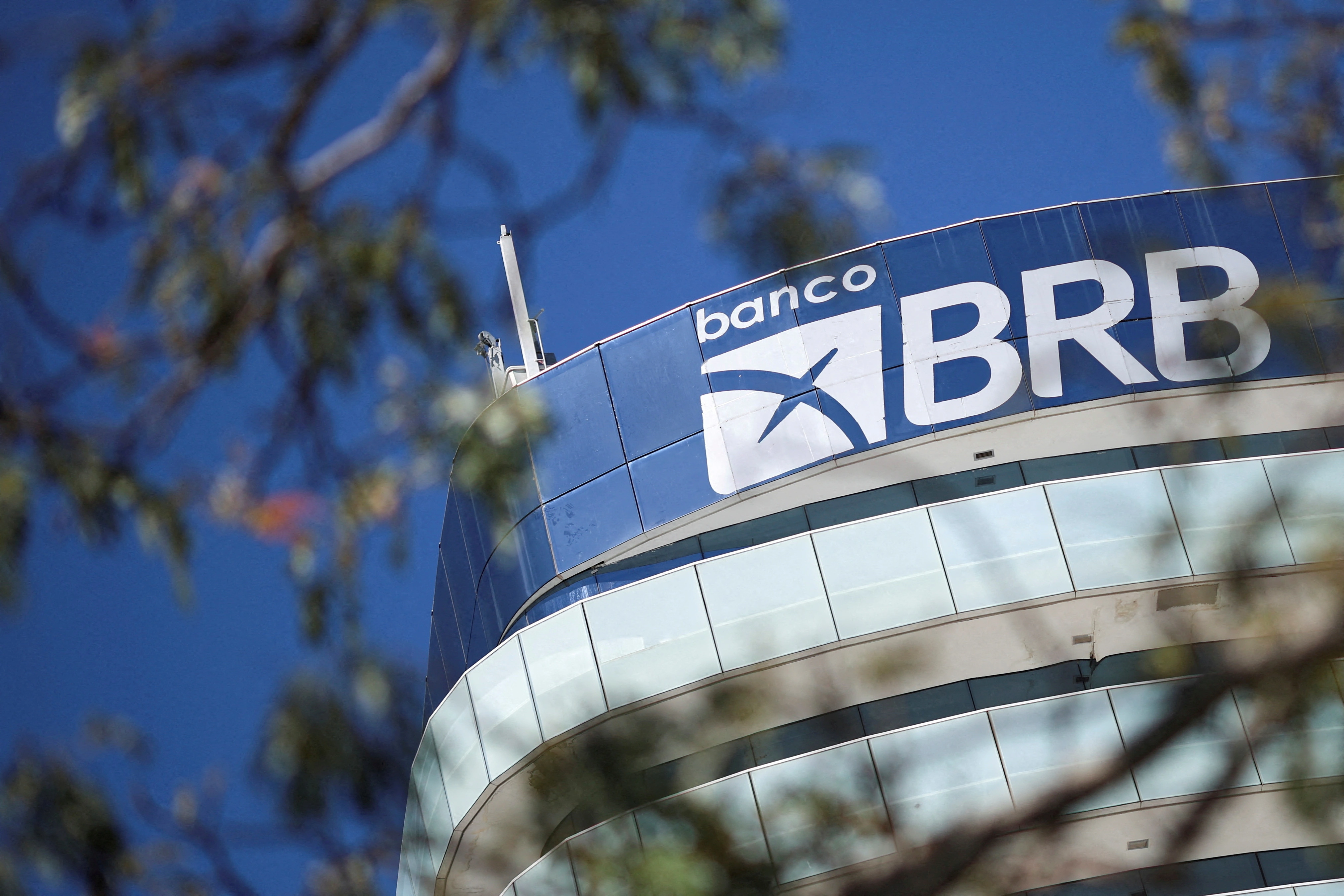
Why the deal collapsed
The two sides could not agree on what the assets were worth. According to BRB, the memorandum of understanding lapsed on July 6 and was not renewed because the bank and Quadra Capital differed on the economic and financial parameters each considered fair. A deal that had been billed as a clean way to draw a line under the Banco Master problem instead unraveled over price.
The breakdown also left a hole. BRB had expected to receive between R$3 billion and R$4 billion (about US$590 million to US$785 million) in senior quotas to strengthen its liquidity, originally anticipated around April. None of that money arrived, and the missing injection is part of why the bank decided the arrangement no longer worked.
What BRB does now
Rather than a single buyer, BRB says it will now try to sell the Banco Master assets separately, to several players in the market. That path is slower and more complicated, but it avoids locking in one unfavorable price and gives the bank room to seek better terms on individual pieces of the portfolio, which is made up of loans and holdings absorbed from the failed lender.
Why it matters
Banco Master’s collapse has been one of the most consequential events in Brazilian banking in years, draining the industry’s deposit-guarantee fund and prompting hard questions about how a mid-size lender grew so fast and unraveled so quickly. BRB’s involvement ties a state-owned bank directly to the fallout, and investors are watching closely for any strain on its own balance sheet.
More broadly, the episode is a test of how Brazil winds down a failed bank without destabilizing the wider system. Each stalled deal prolongs the uncertainty, and the collapse of the Quadra agreement means the most visible attempt to resolve the Master estate is, for now, back to square one.
What to watch
The next signals will come from BRB itself. Investors will look to the bank’s upcoming results for any sign that carrying the Banco Master assets is weighing on its capital or profits, and to whether it can strike the smaller, piecemeal sales it is now pursuing at prices it can defend. Regulators, meanwhile, will want the estate wound down in an orderly way that does not force the industry’s deposit-guarantee fund to absorb still more of the cost. For a saga that has already run for months, the collapse of the Quadra deal is less an ending than a reminder of how hard the cleanup will be.
More: Brazil news in English, every day from The Rio Times.
Frequently Asked Questions
What did BRB cancel?
A plan to sell about R$15 billion (roughly US$2.9 billion) in assets inherited from Banco Master to Quadra Capital.
Why did it fall through?
The memorandum expired on July 6 and was not renewed after the two sides could not agree on financial terms; expected liquidity injections never arrived.
What happens now?
BRB says it will sell the assets separately, to several buyers.
This article was produced by The Rio Times’ automated newsroom system. How we use AI · Report an error
LatAm Markets: Live Signals → — real-time movers, turnover leaders and FX across Latin America.
Read More from The Rio Times